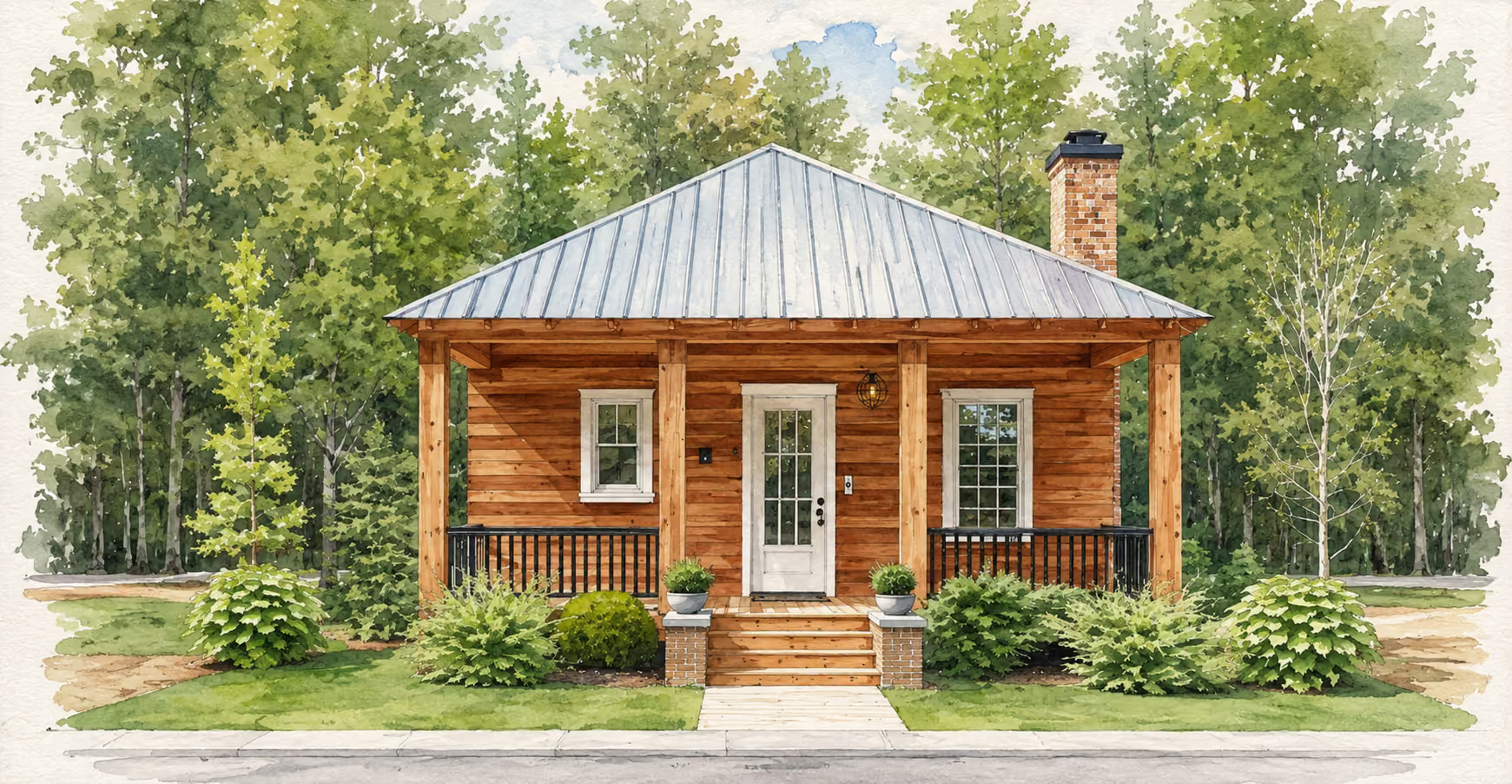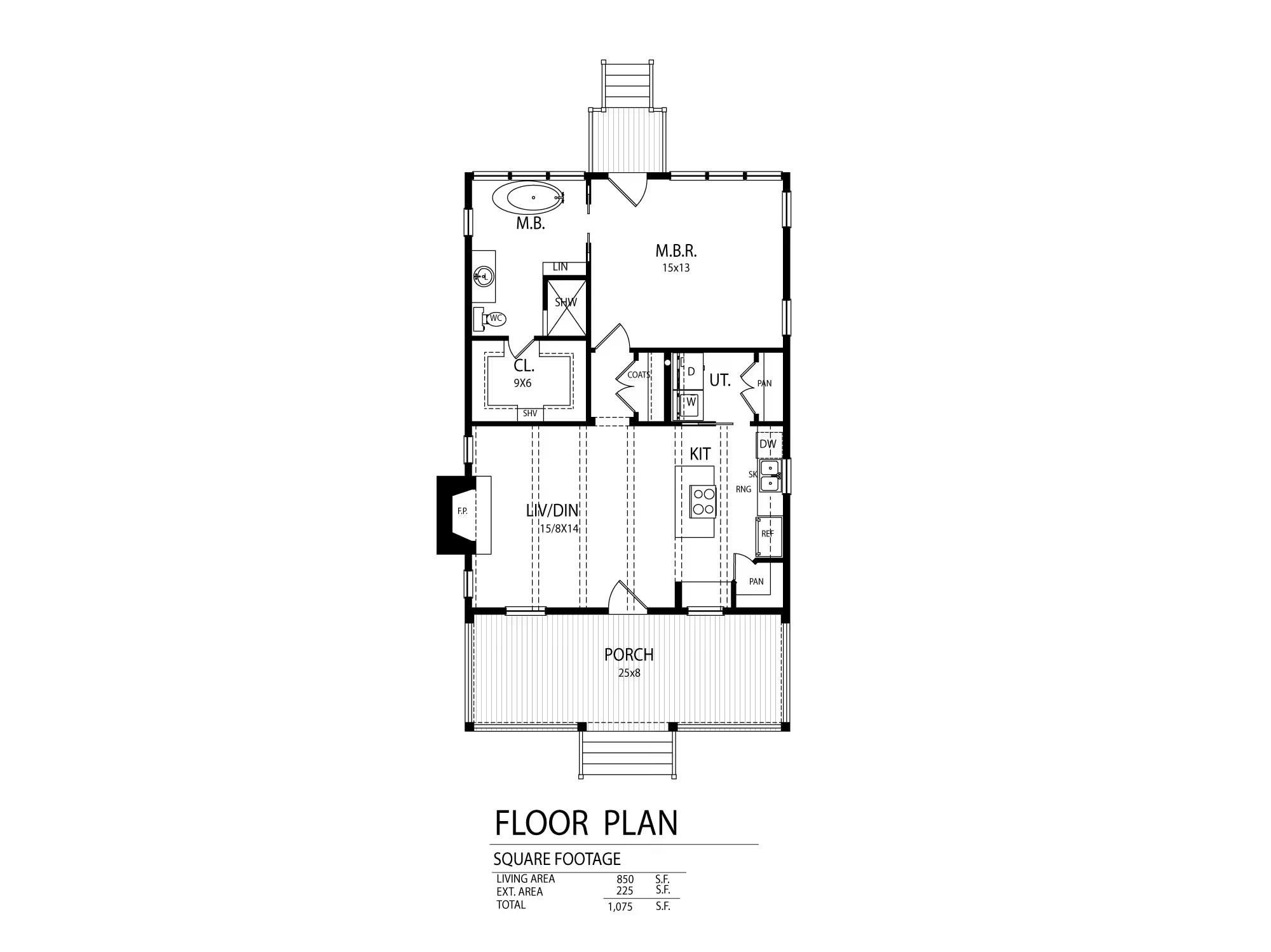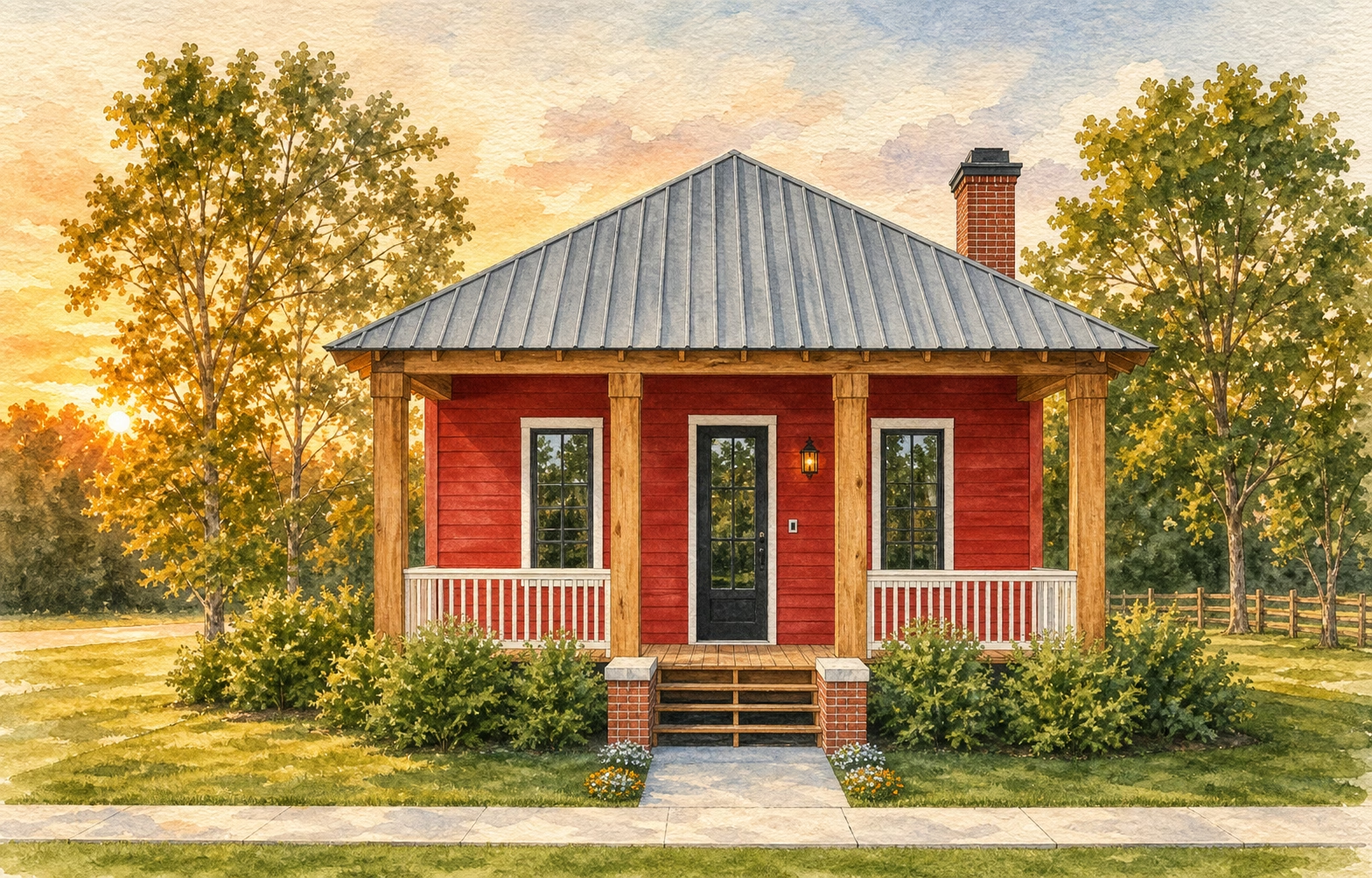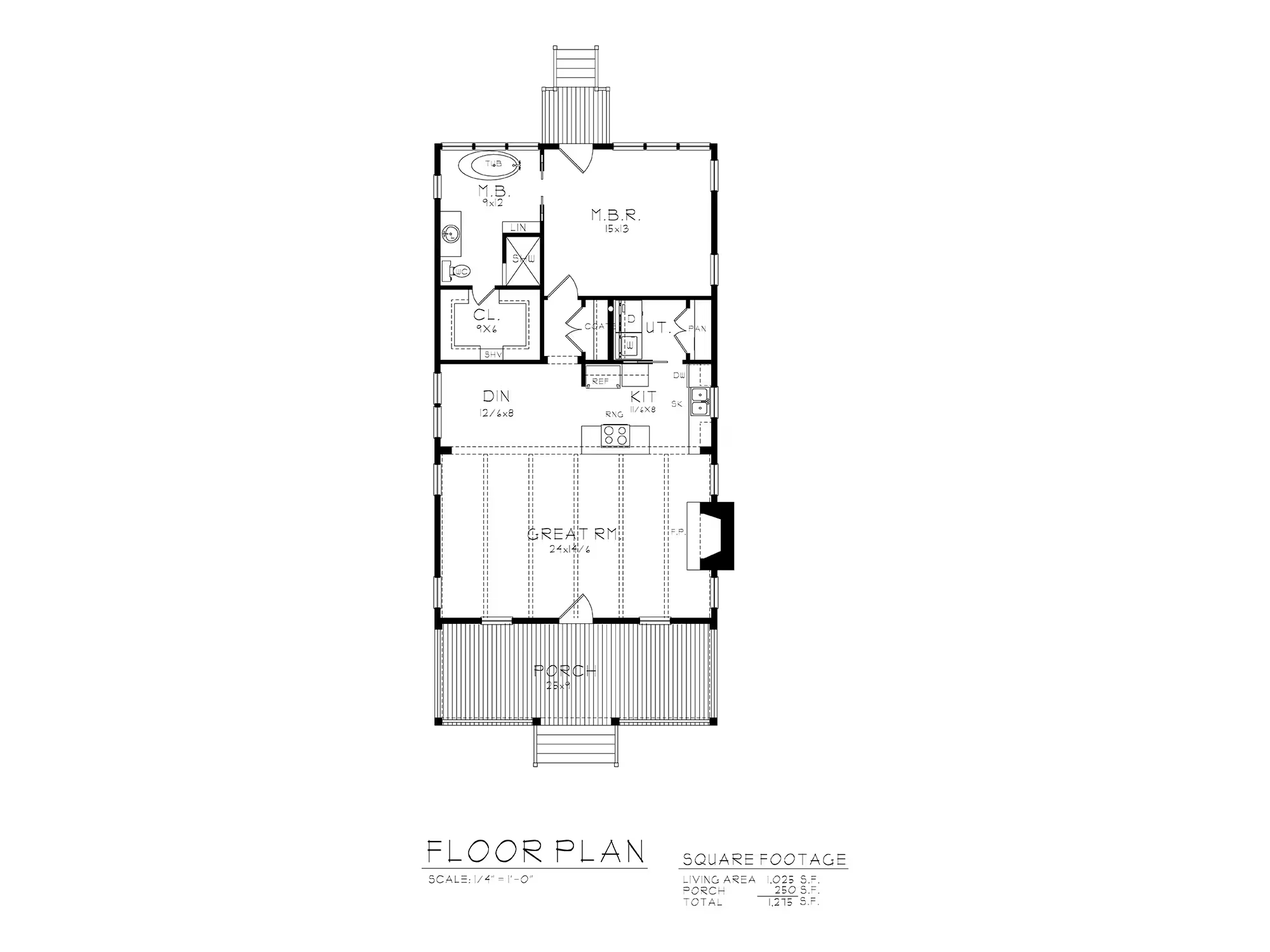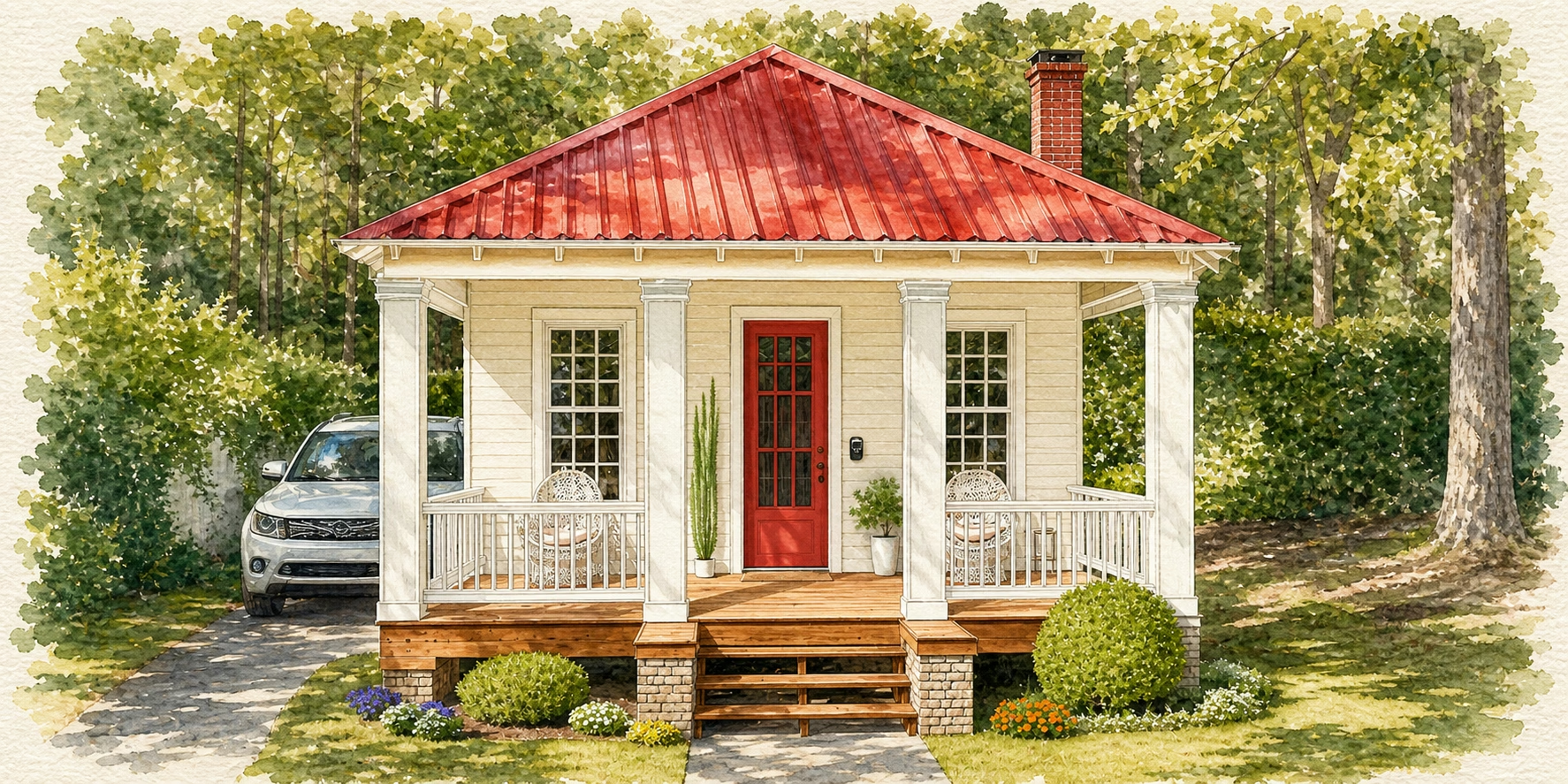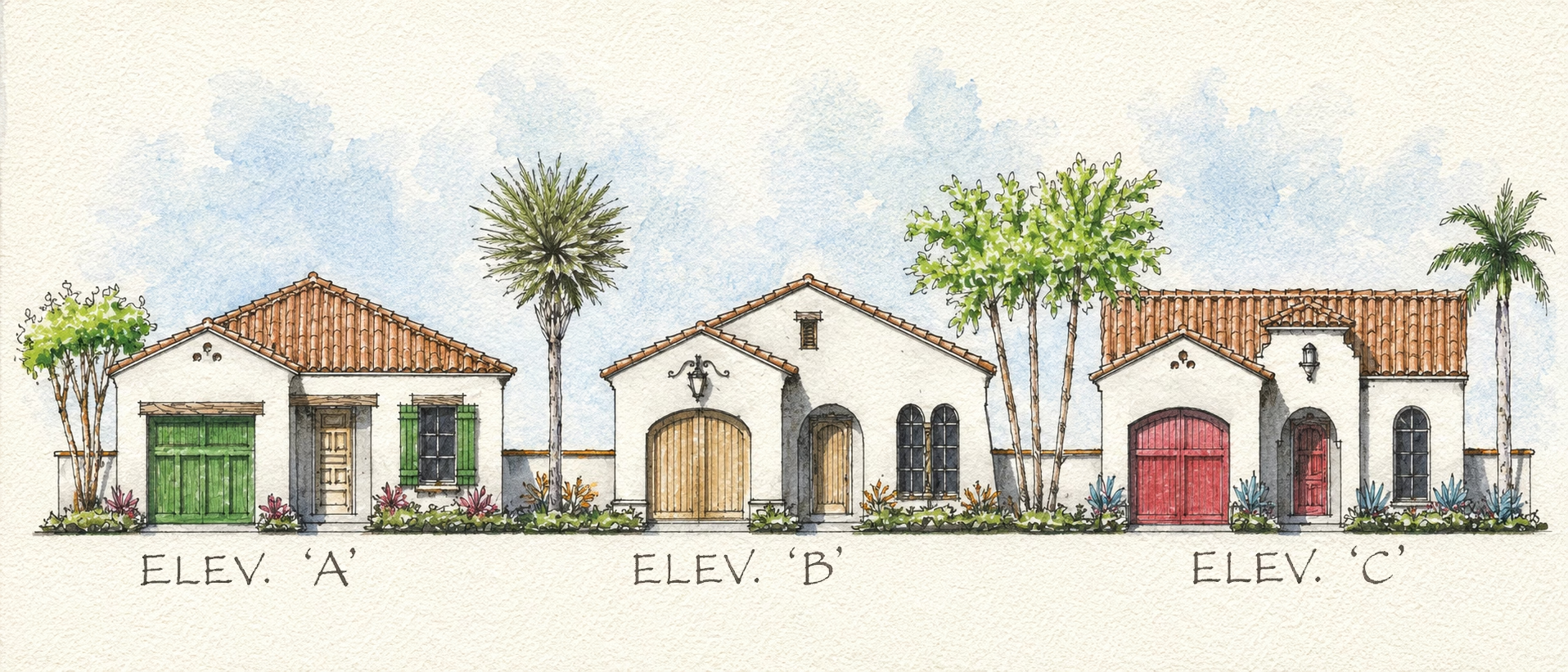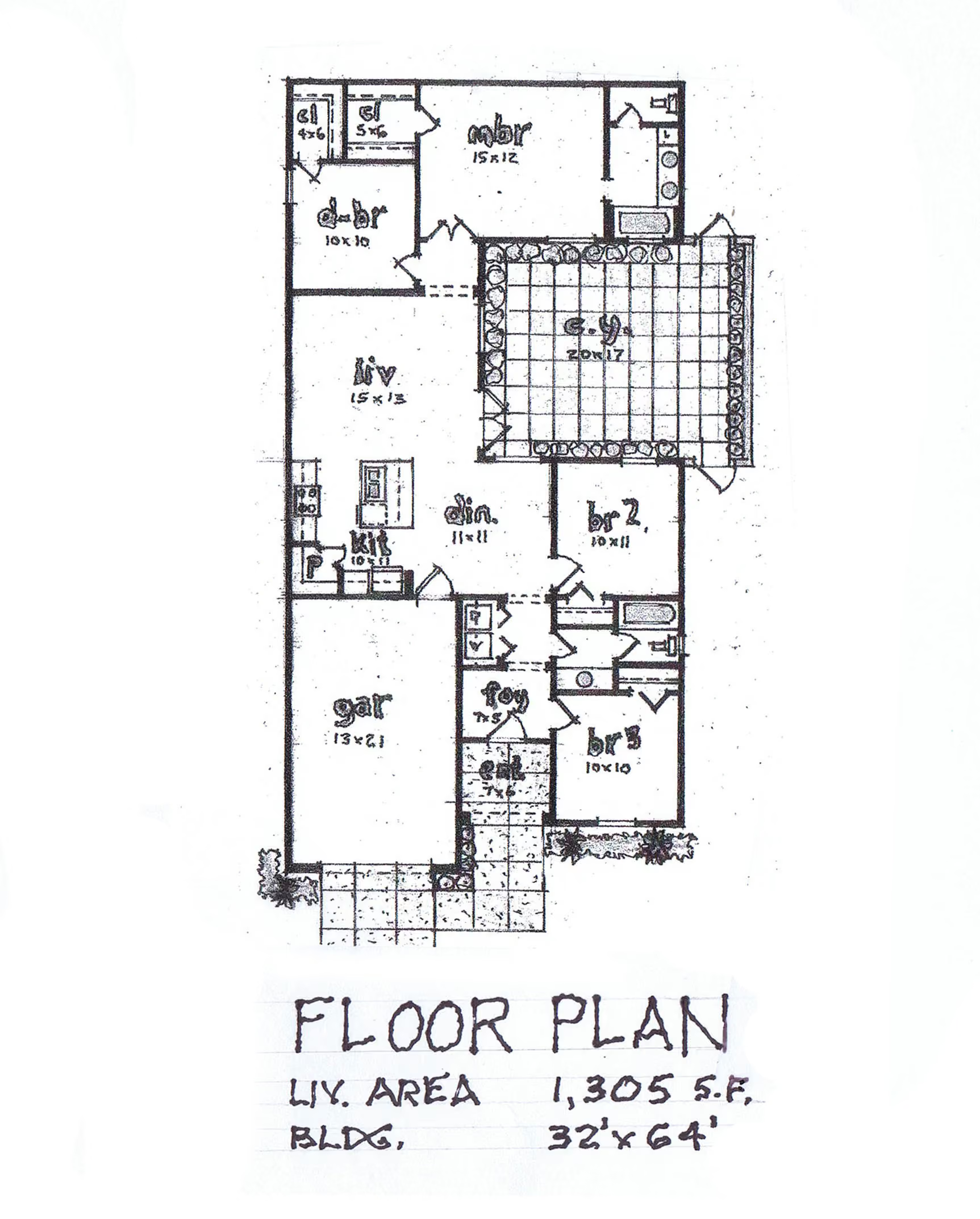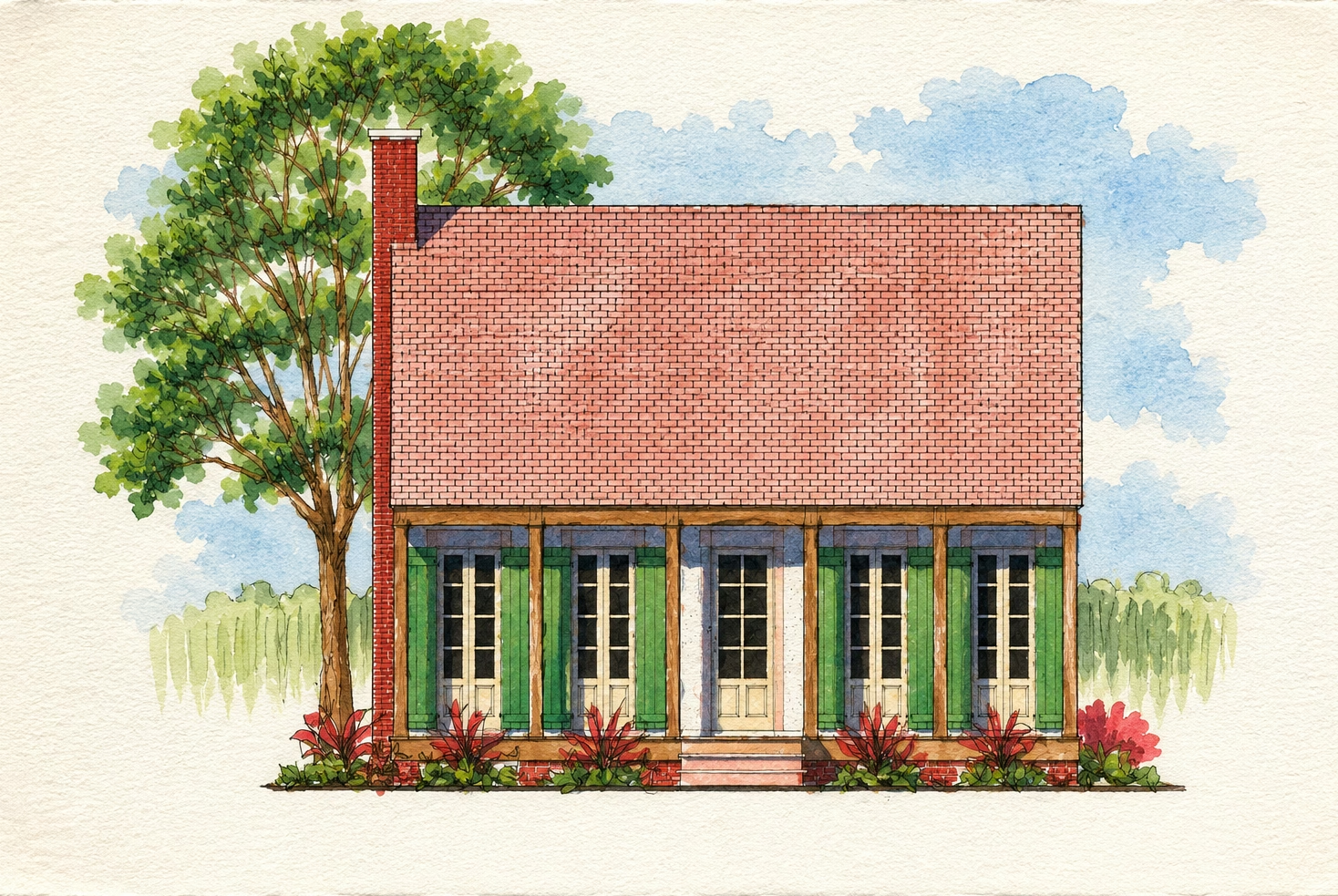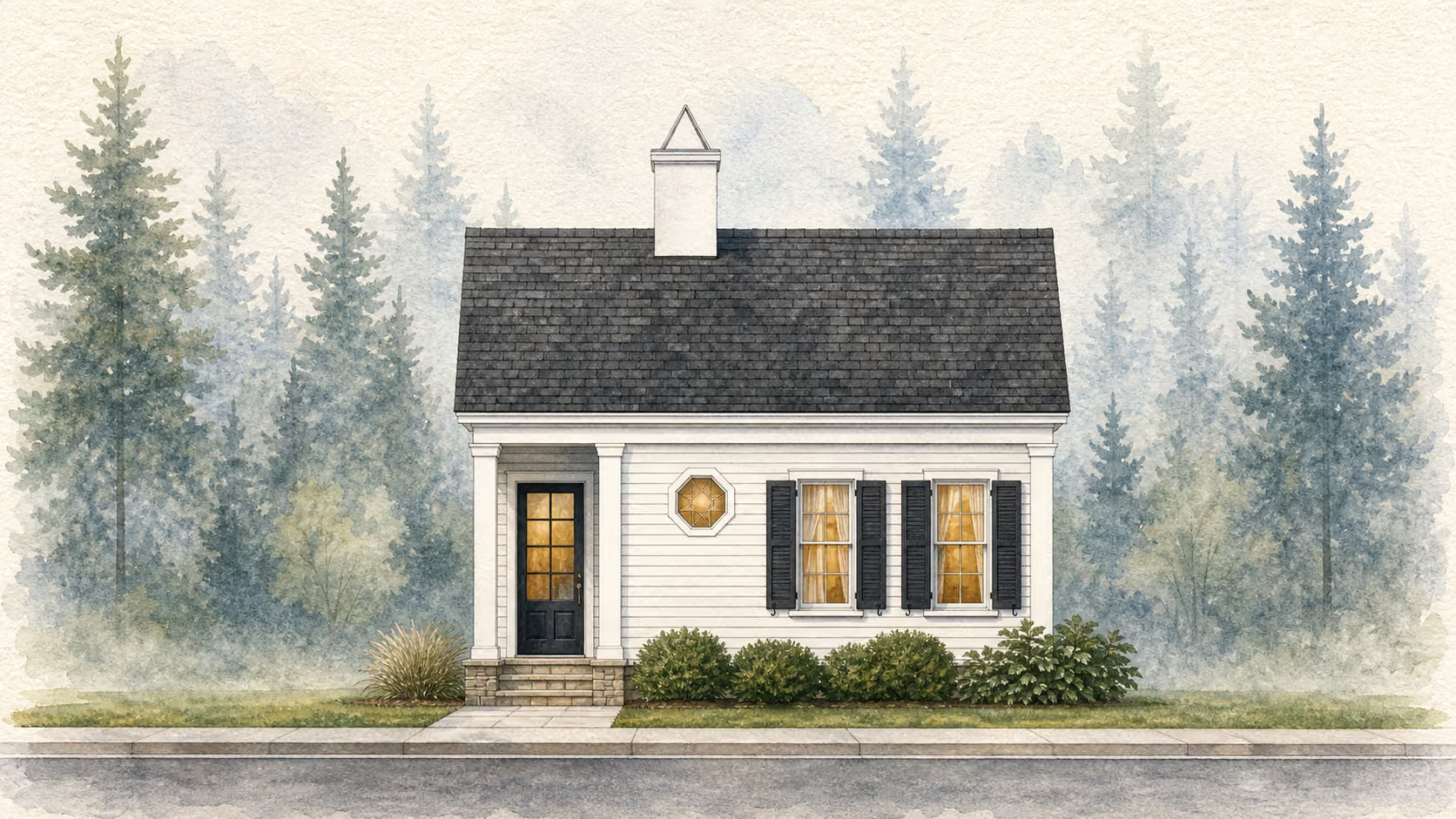
Accessory Dwelling Units—commonly known as ADUs, granny flats, or backyard cottages—represent one of the most rapidly growing segments of the housing industry. An ADU is a secondary, self-contained housing unit located on the same lot as an existing single-family home. Despite their smaller footprint, ADUs are fully functioning homes equipped with their own kitchens or kitchenettes, bathrooms, living areas, and private entrances. They offer a unique blend of proximity and independence. For our purposes, related to house plans, we are primarily discussing detached ADU rather than additions/conversions within the main house.
ADUs are a powerful tool for addressing housing affordability and flexibility. For homeowners, building an ADU can generate reliable rental income or provide a dedicated space for aging parents or adult children returning home. For tenants, ADUs offer an affordable opportunity to live in established, low-density neighborhoods that might otherwise be financially out of reach. The compact nature of ADUs also inherently encourages a more sustainable, low-maintenance lifestyle, requiring less energy to heat and cool and less time to clean.
As cities adapt to shifting demographics and changing zoning laws, ADUs have emerged as a gentle way to increase housing density without altering the historic character of a neighborhood. They blend seamlessly into existing backyards and tree-lined streets. The flexibility to be used as a guest house, a rental unit, or a primary residence for someone downsizing, makes ADUs an attractive housing option.