<h2>American Farmhouse Style: From Frontier Ingenuity to Modern Revival</h2><h2>Overview</h2>
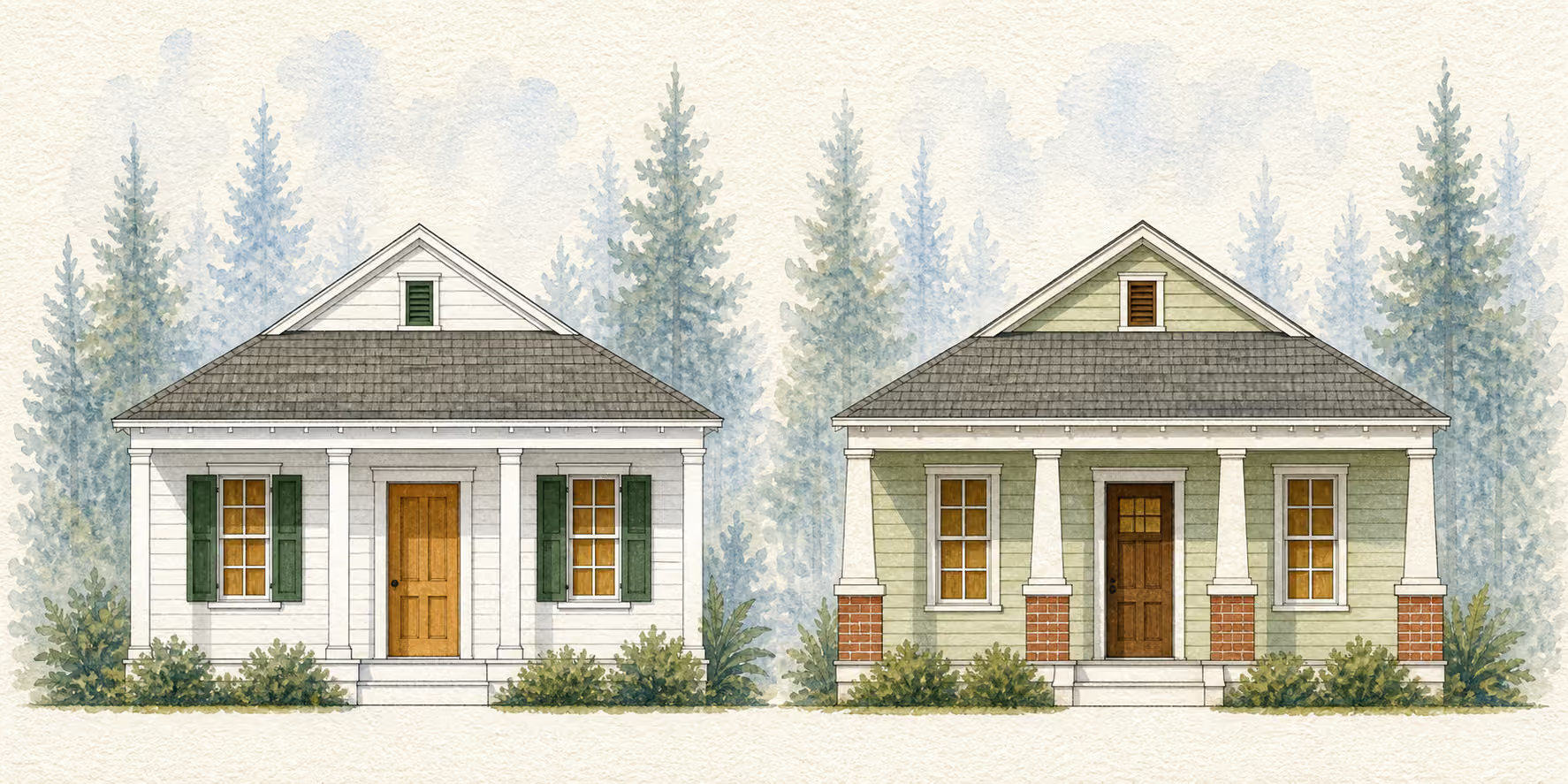
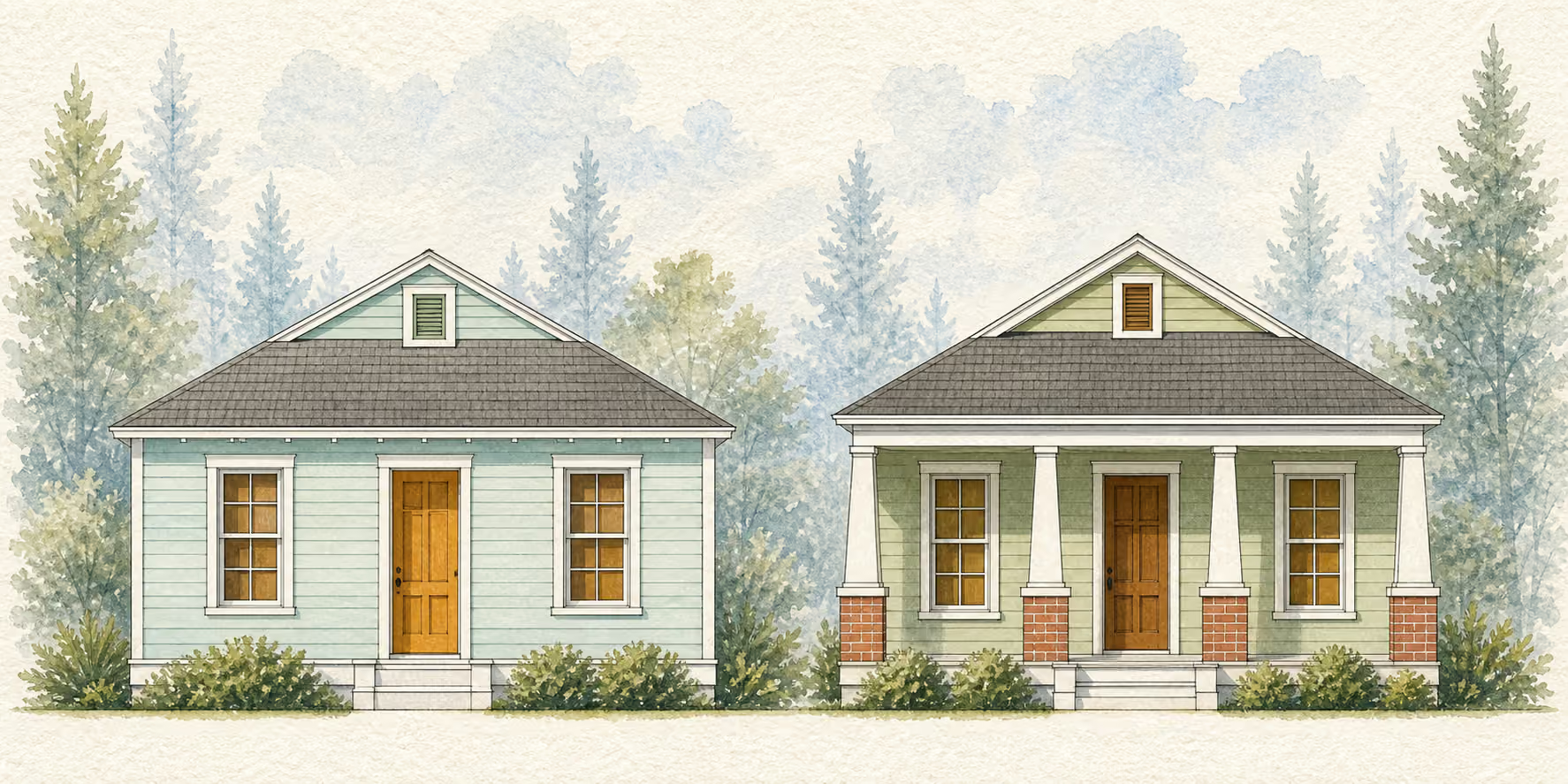
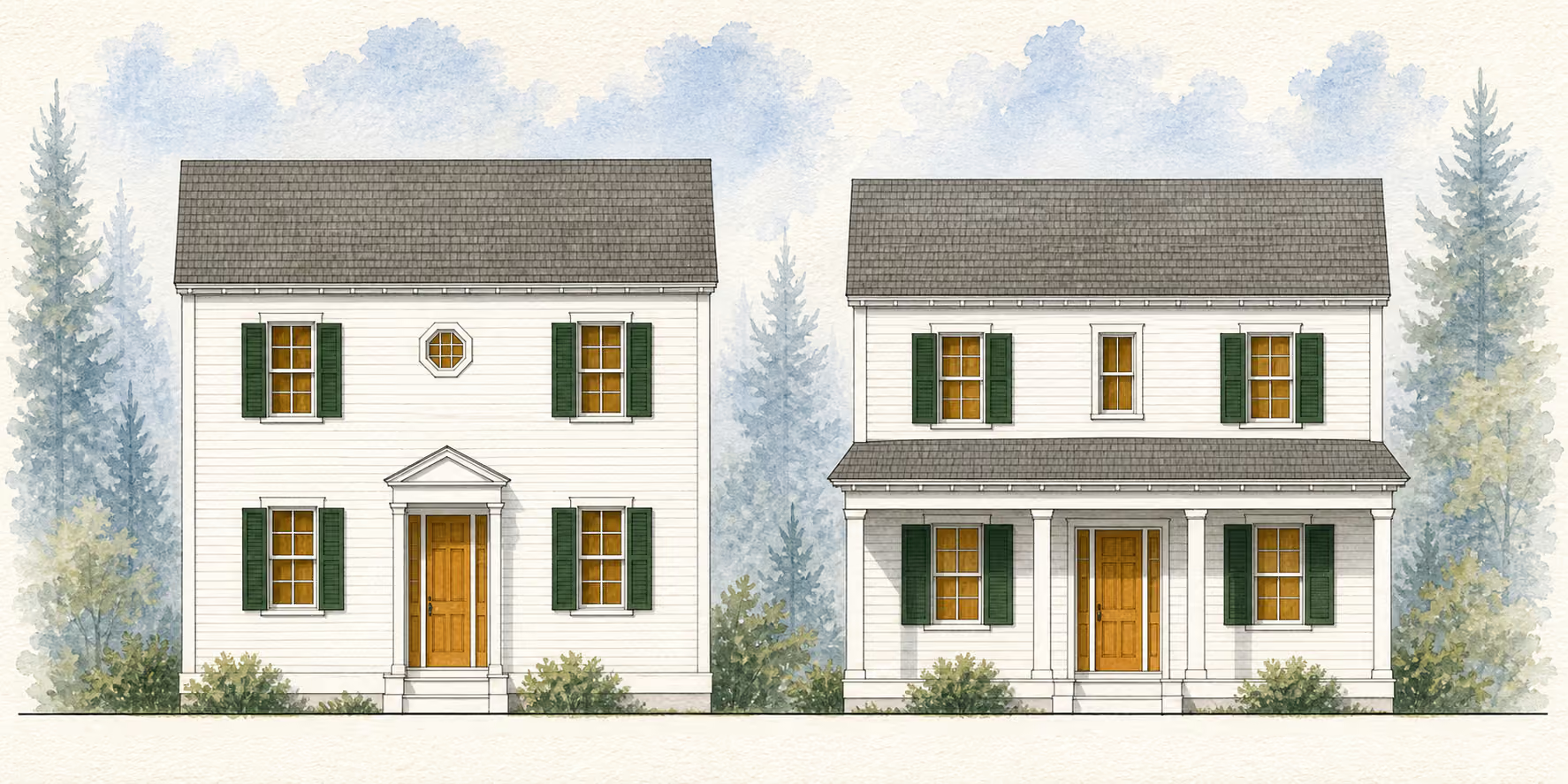
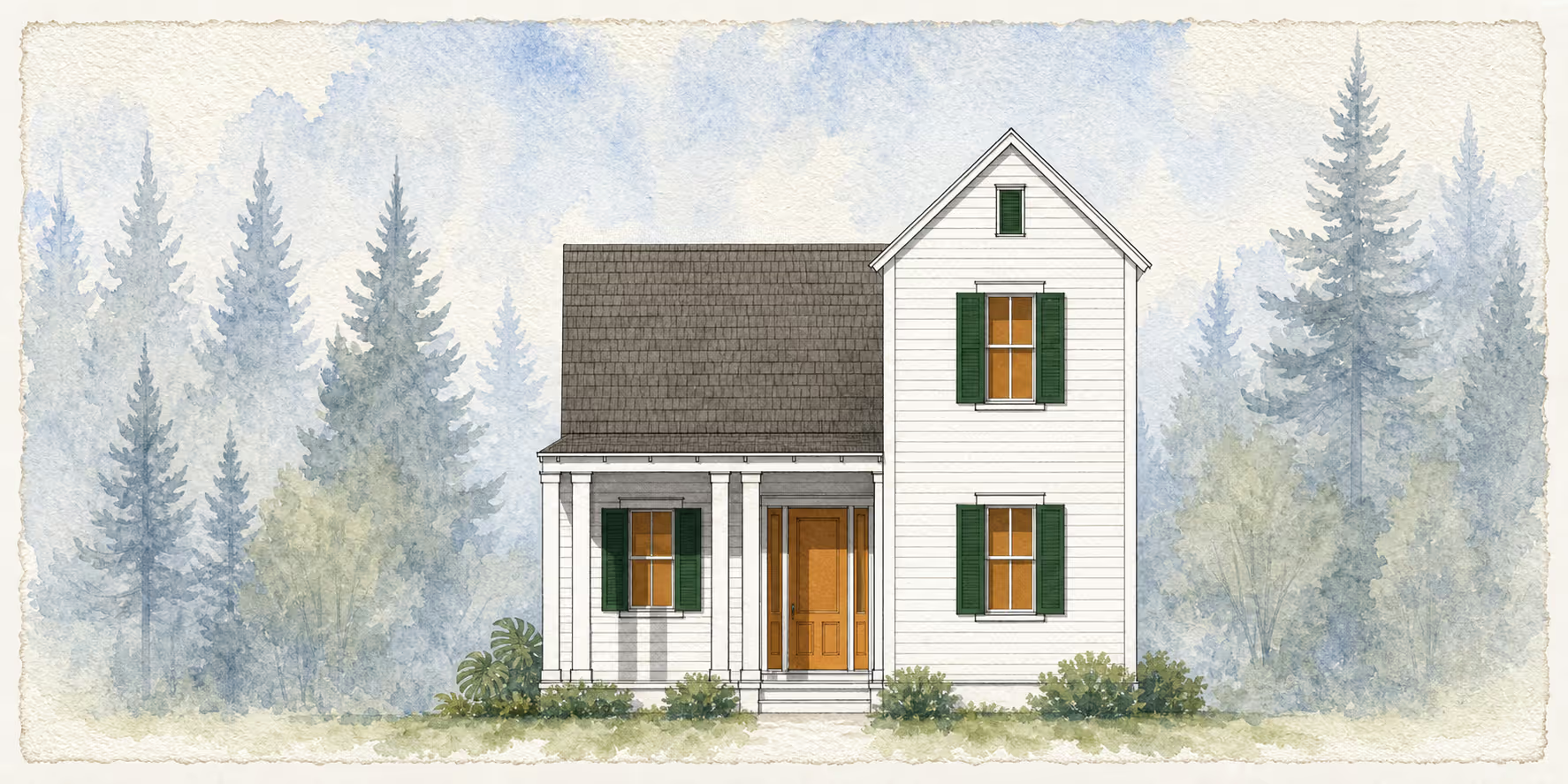
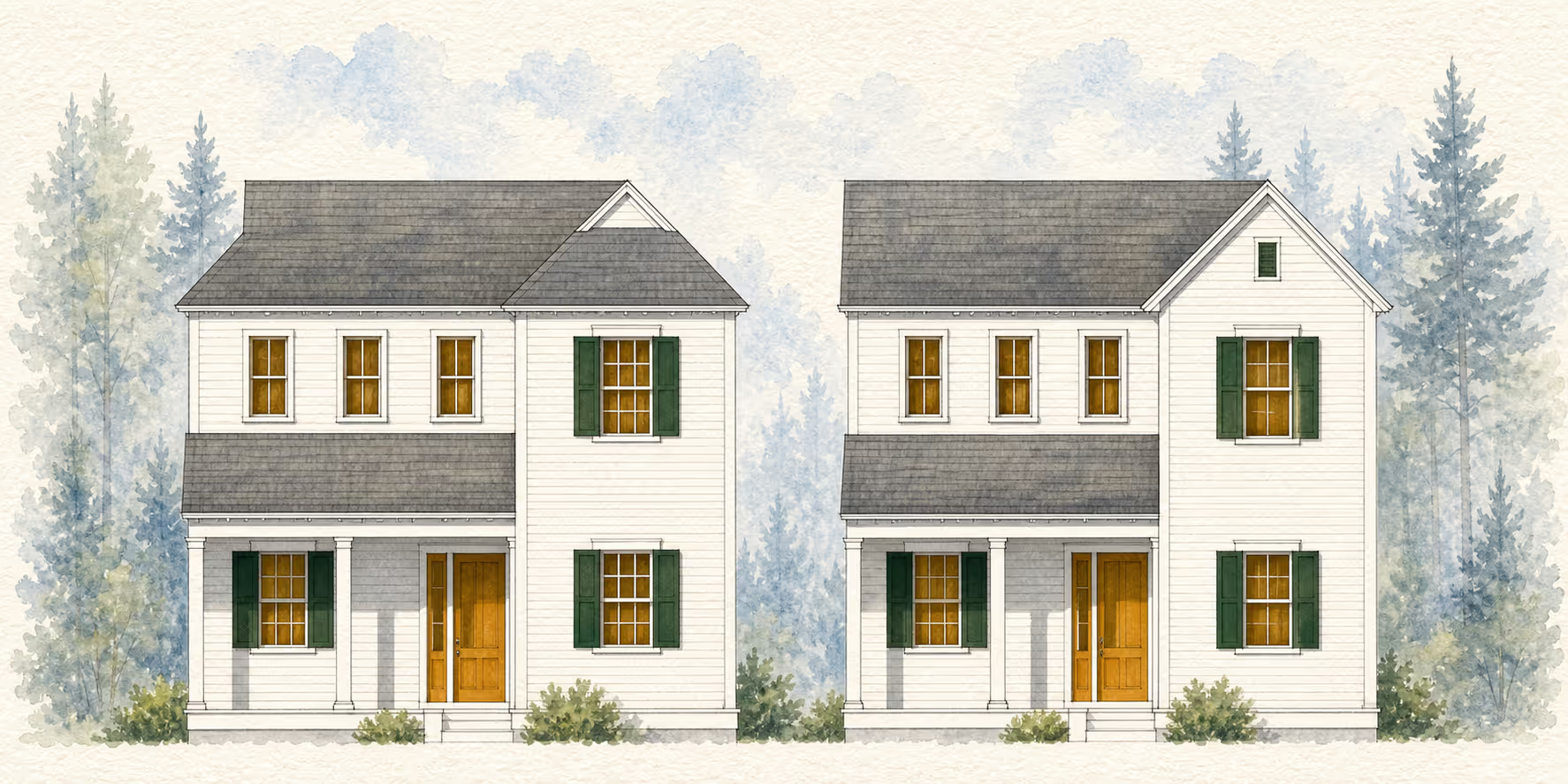
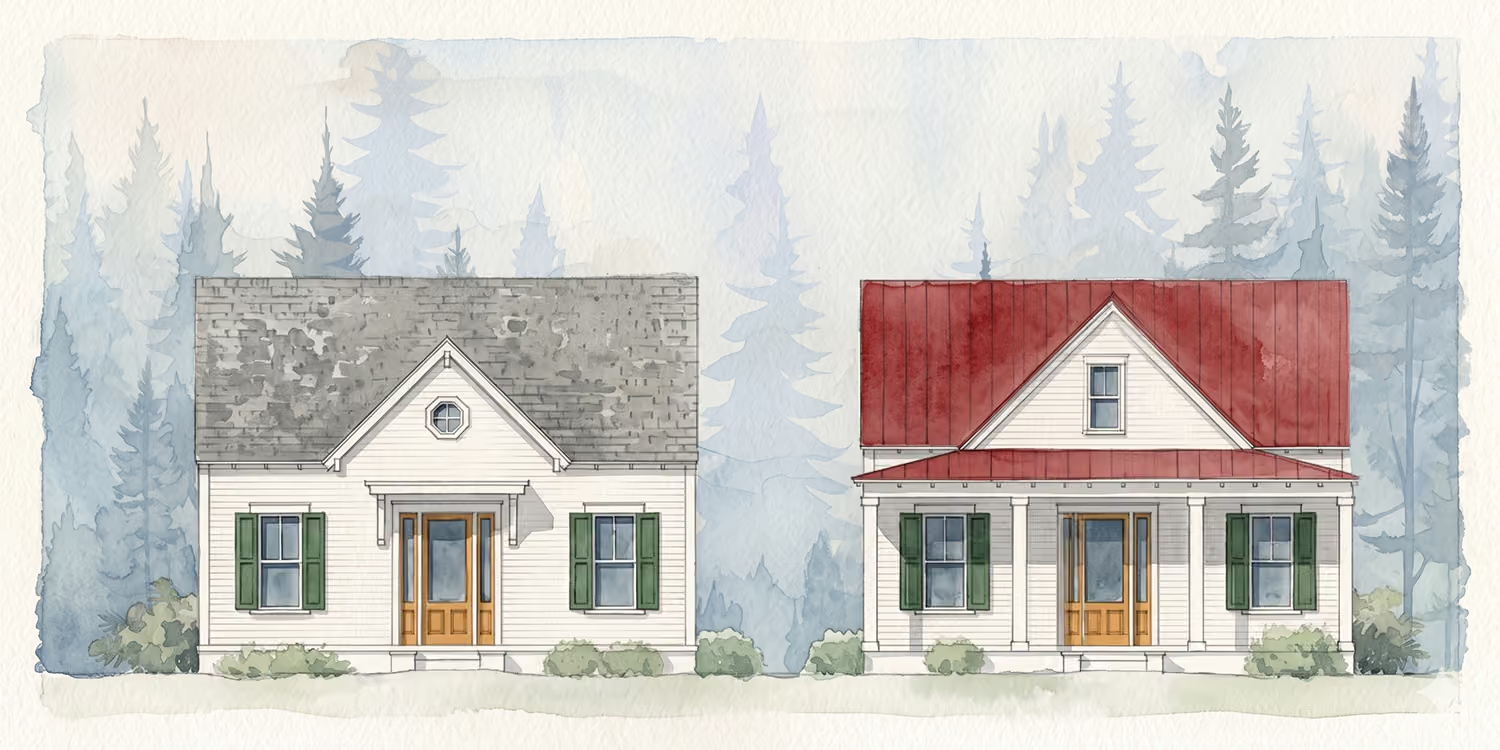
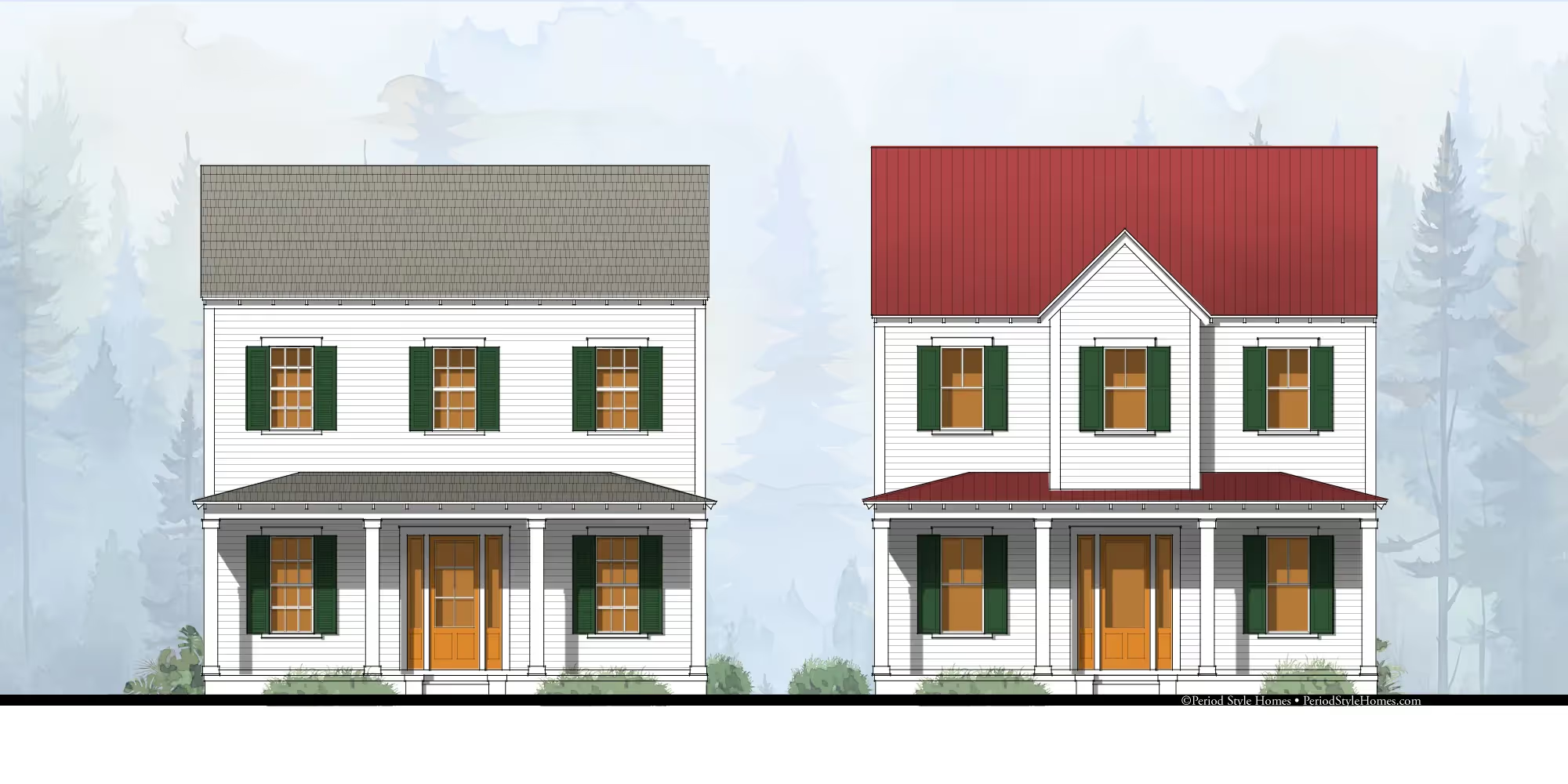
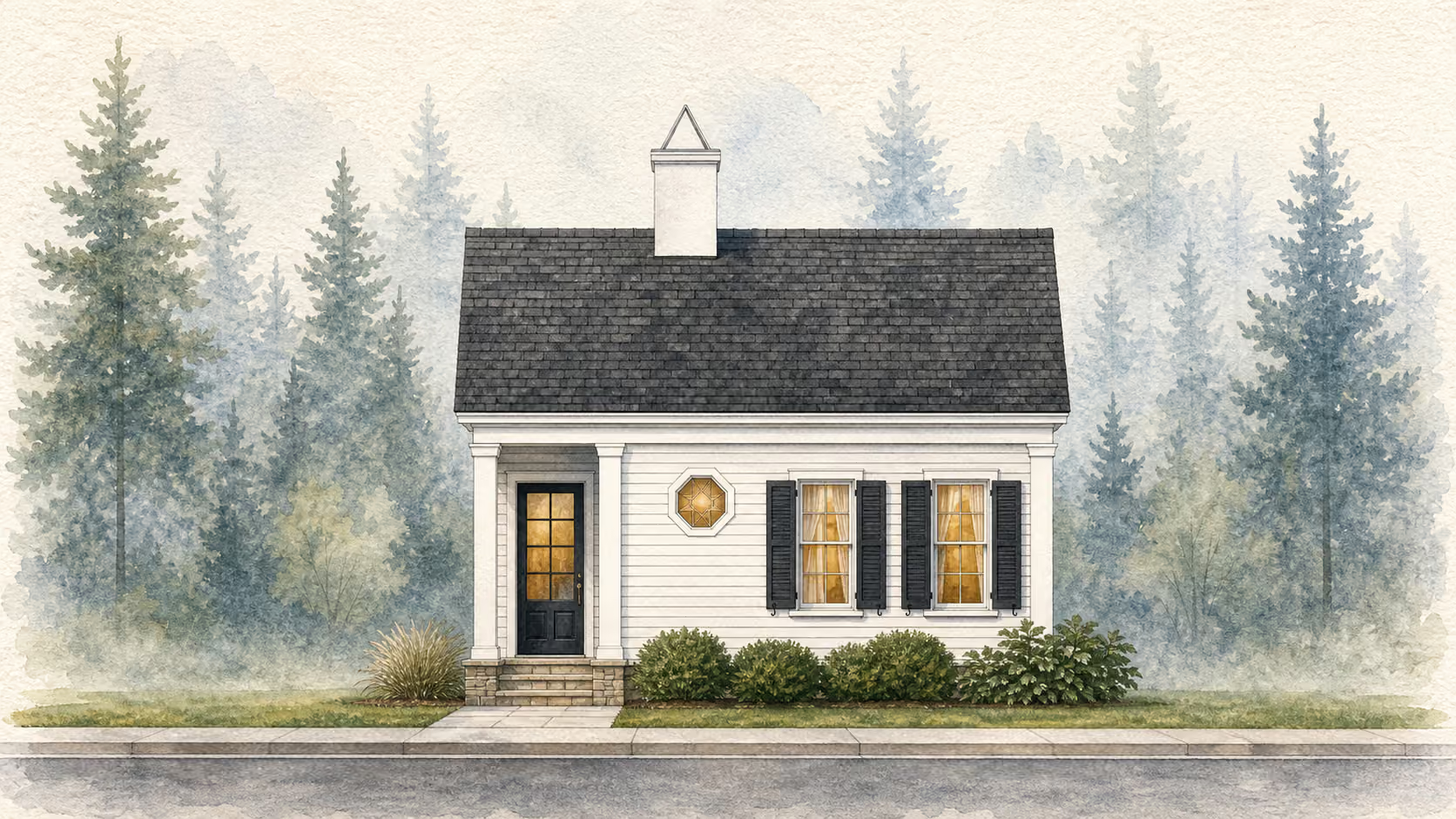
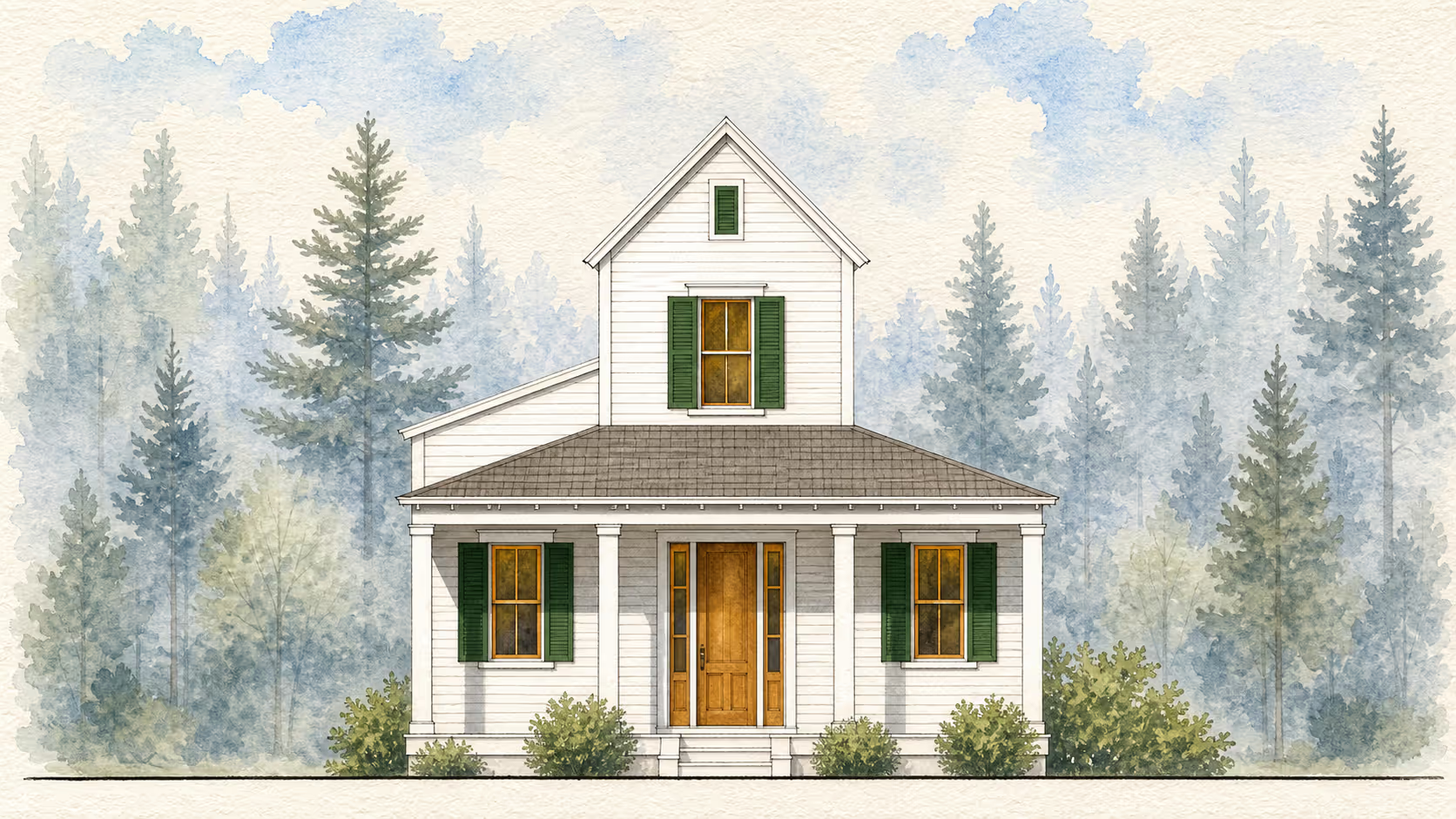
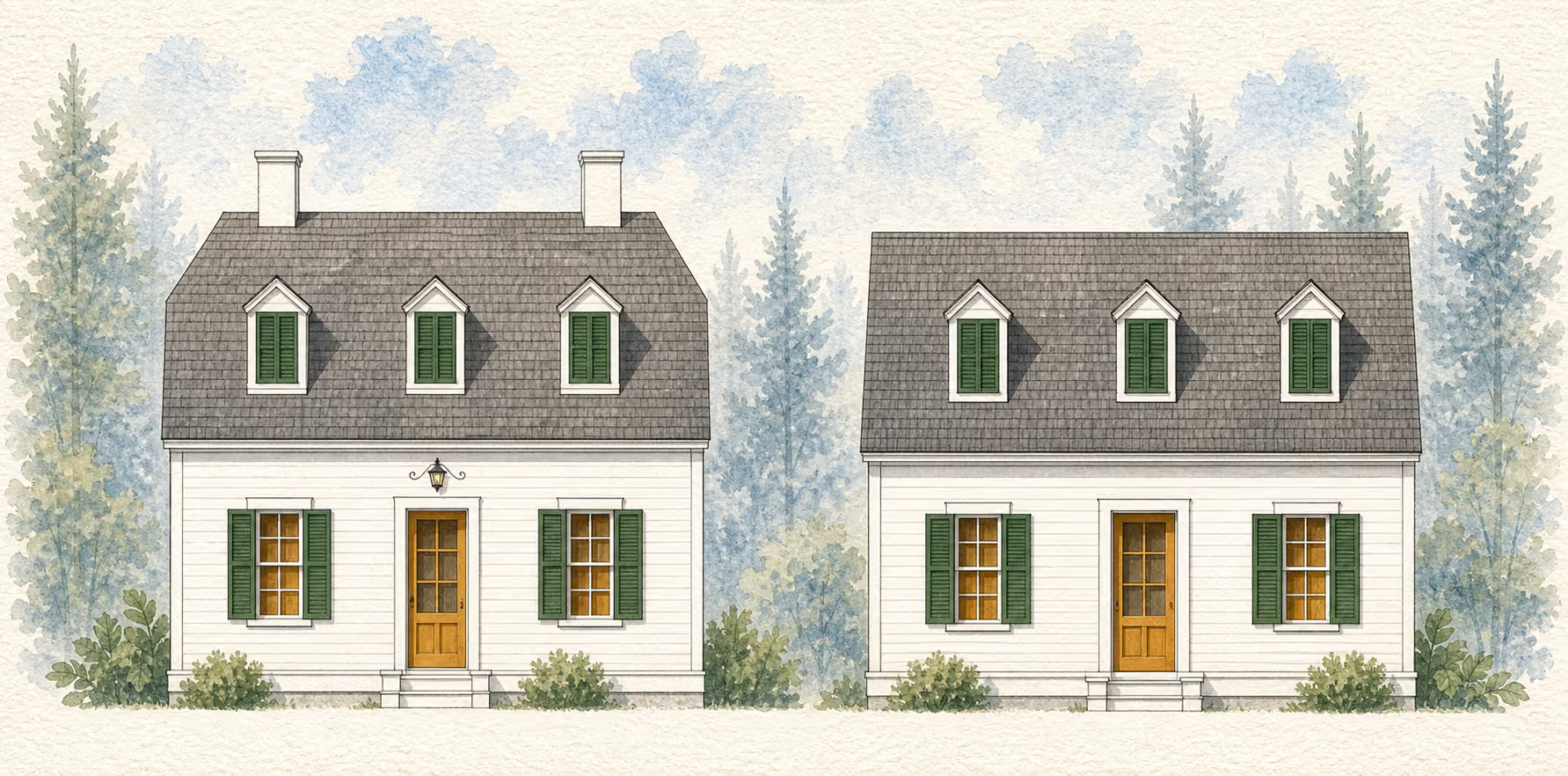
<p>The American Farmhouse style, sometimes called the National or Folk style, is recognized for its straightforward, functional design. Typically, these homes are rectangular, two-story structures with gabled roofs and generous covered porches. The style emphasizes practicality, using local materials and simple construction methods to meet the needs of rural families.</p><h2>History</h2>
<p>The farmhouse style originated in the 18th century and became widespread in the early to mid-19th century as the United States expanded westward. Agricultural communities grew, and settlers needed homes that were affordable, easy to build, and adaptable as families changed. Farmhouses often began as modest dwellings and expanded over time, with rooms added as needed. This additive approach resulted in homes with a variety of forms and layouts, reflecting the resourcefulness of their owners.</p><p>As transportation improved in the 19th century, farmhouses began to incorporate elements from popular architectural styles of the time, such as Greek Revival and Queen Anne, resulting in unique hybrid designs.</p><h2>Defining Features</h2>
<ul>
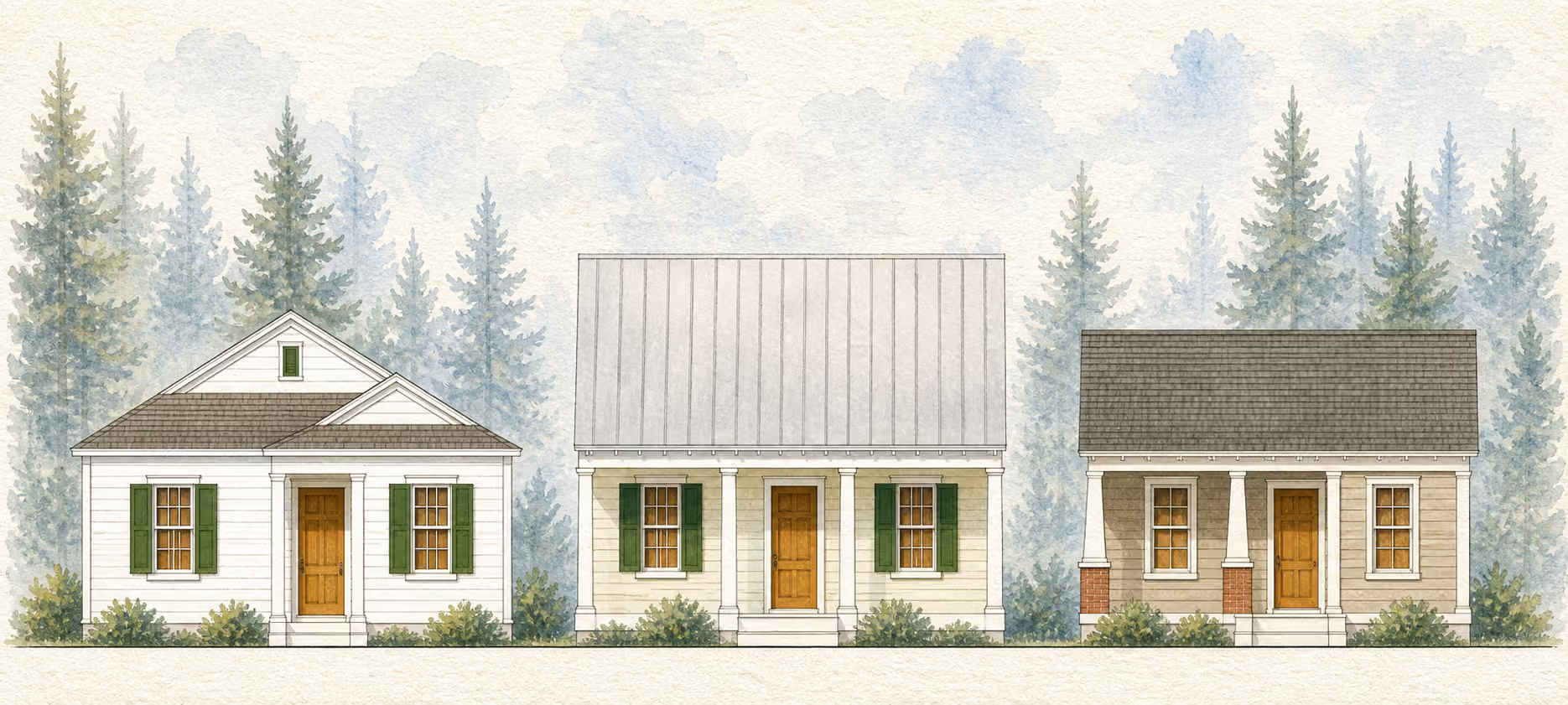
<li><strong>Simple gable roofs:</strong> The classic pitched roof is both practical and easy to construct.</li>
<li><strong>Board-and-batten or lap siding:</strong> Wood siding was common, using materials available on-site or nearby.</li>
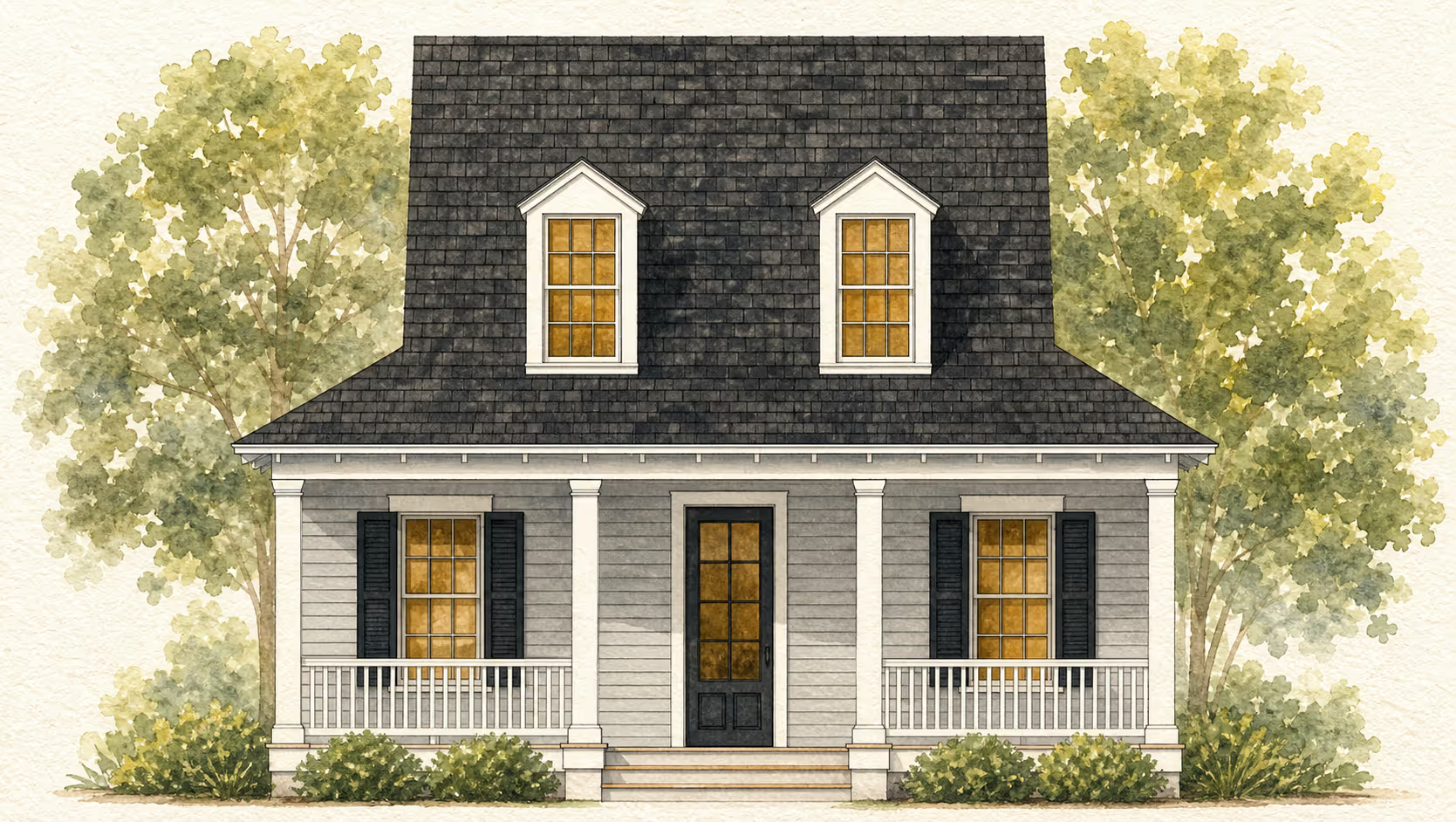
<li><strong>Generous front porches:</strong> Porches provided shade, a place to relax, a transition between indoors and out, and served as important social spaces for families and communities.</li>
<li><strong>Standing seam metal accents:</strong> Metal roofs and deep overhangs offered durability and protection from the elements.</li>
</ul><h2>Unique Construction Methods</h2>
<p>Farmhouses were typically built with local timber and other readily available materials. Construction focused on function and durability, with little ornamentation. As families grew or needs changed, rooms were added, resulting in homes with a layered, lived-in character. The use of metal roofing and deep eaves reflected a focus on utility and weather resistance.</p><h2>Notable Examples</h2>
<ul>
<li>Historic farmsteads across the Midwest and South showcase the classic farmhouse form, often preserved as part of rural heritage sites.</li>
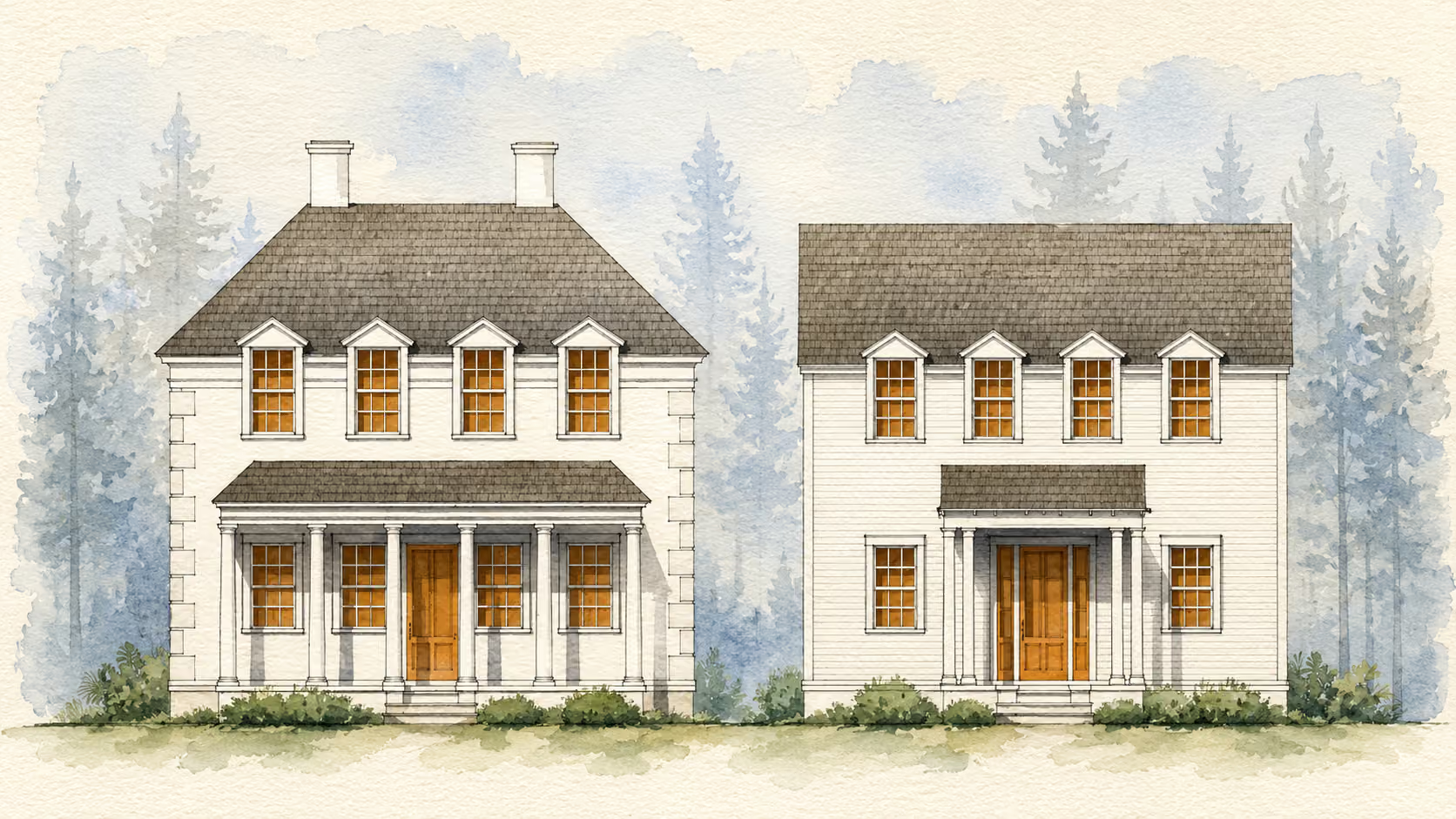
<li>Modern interpretations of the farmhouse style are popular in suburban developments, blending traditional forms with updated materials and layouts.</li>
</ul><h2>Revival and Modern Popularity</h2>
<p>The American Farmhouse style has experienced a resurgence in recent years. Its nostalgic charm and emphasis on comfort have made it a favorite for new homes, especially in suburban and rural areas. Modern farmhouses blend traditional forms and features with contemporary materials, open floor plans, and large windows, creating a harmonious mix of past and present, while retaining the welcoming porch and simple lines of the original style.</p><h2>Interesting Facts</h2>
<ul>
<li>Farmhouses often grew as families added rooms over generations, resulting in unique, sometimes quirky layouts.</li>
<li>Metal roofs and deep overhangs are rooted in the practical needs of rural life, offering protection from harsh weather and reducing maintenance.</li>
<li>The farmhouse porch became a social hub, serving as a place for family gatherings, work breaks, and community visits.</li>
</ul><h2>Summary</h2>
<p>The American Farmhouse stands as a living testament to the ingenuity and values of rural America. Its evolution—from simple, timber-framed shelters to today’s thoughtfully designed homes—reflects the adaptability and perseverance of generations who shaped the nation’s landscape. By embracing practical layouts, local materials, and the tradition of gathering on wide porches, the farmhouse style has fostered a sense of belonging and resilience. In the 21st century, architects and homeowners continue to reinterpret the farmhouse, blending classic silhouettes with modern amenities and sustainable practices. Ultimately, the enduring appeal of the American Farmhouse lies in its ability to connect us to our roots while offering comfort, character, and a welcoming spirit for the future.</p>
How Our Plans Are Organized
Our plans are organized first by a Main Category (American, British, French, etc), and secondly by a Sub Style (Cape Code, Acadian, Low Country, etc).
You may use the filter tools on the Plan Search Page to narrow down your selections based on your preferred home style. Take note, that most plans can have their exterior elevations modified to a style of your choosing.