<h2>The Enduring Allure of French West Indies Architecture</h2><h2>Overview</h2>
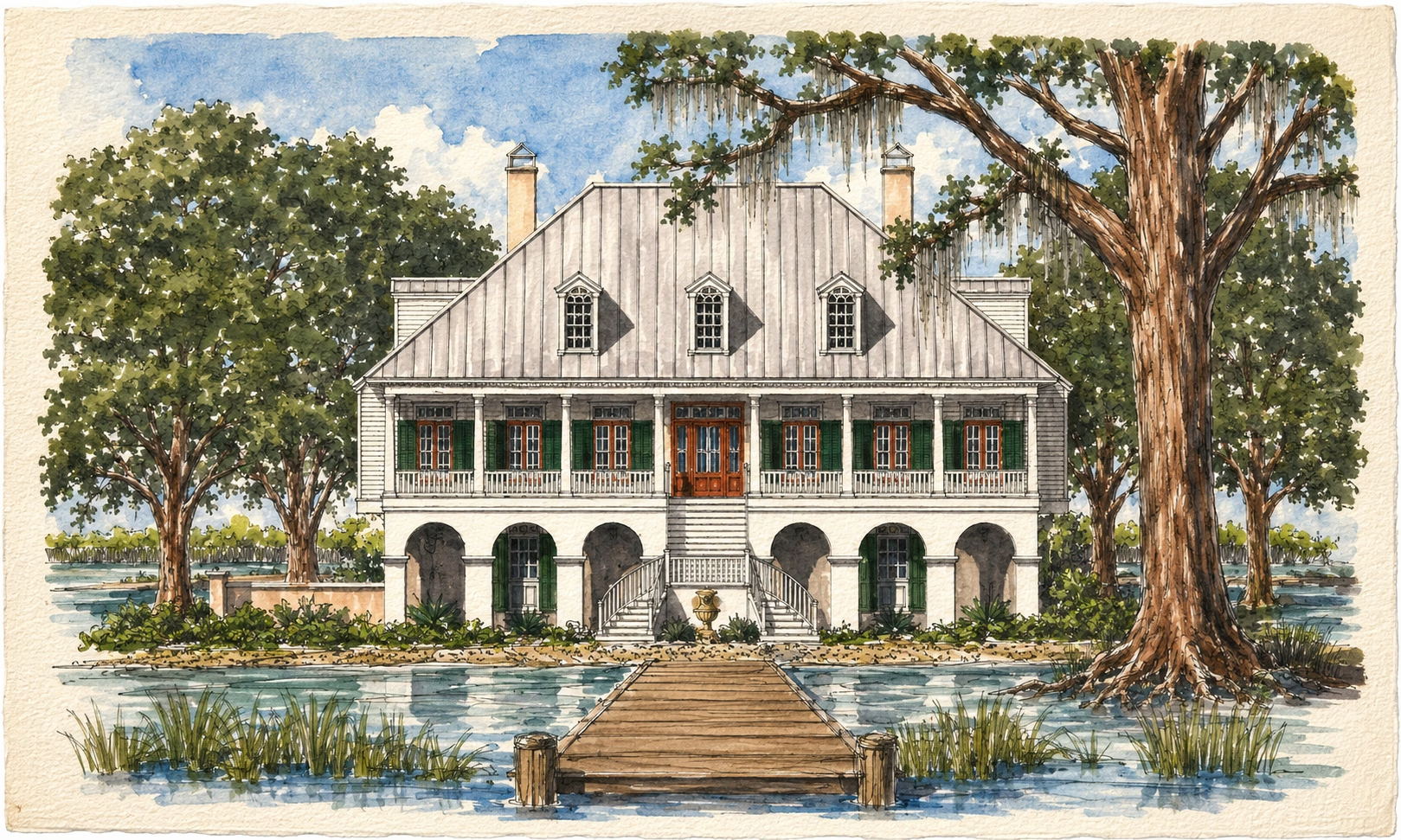
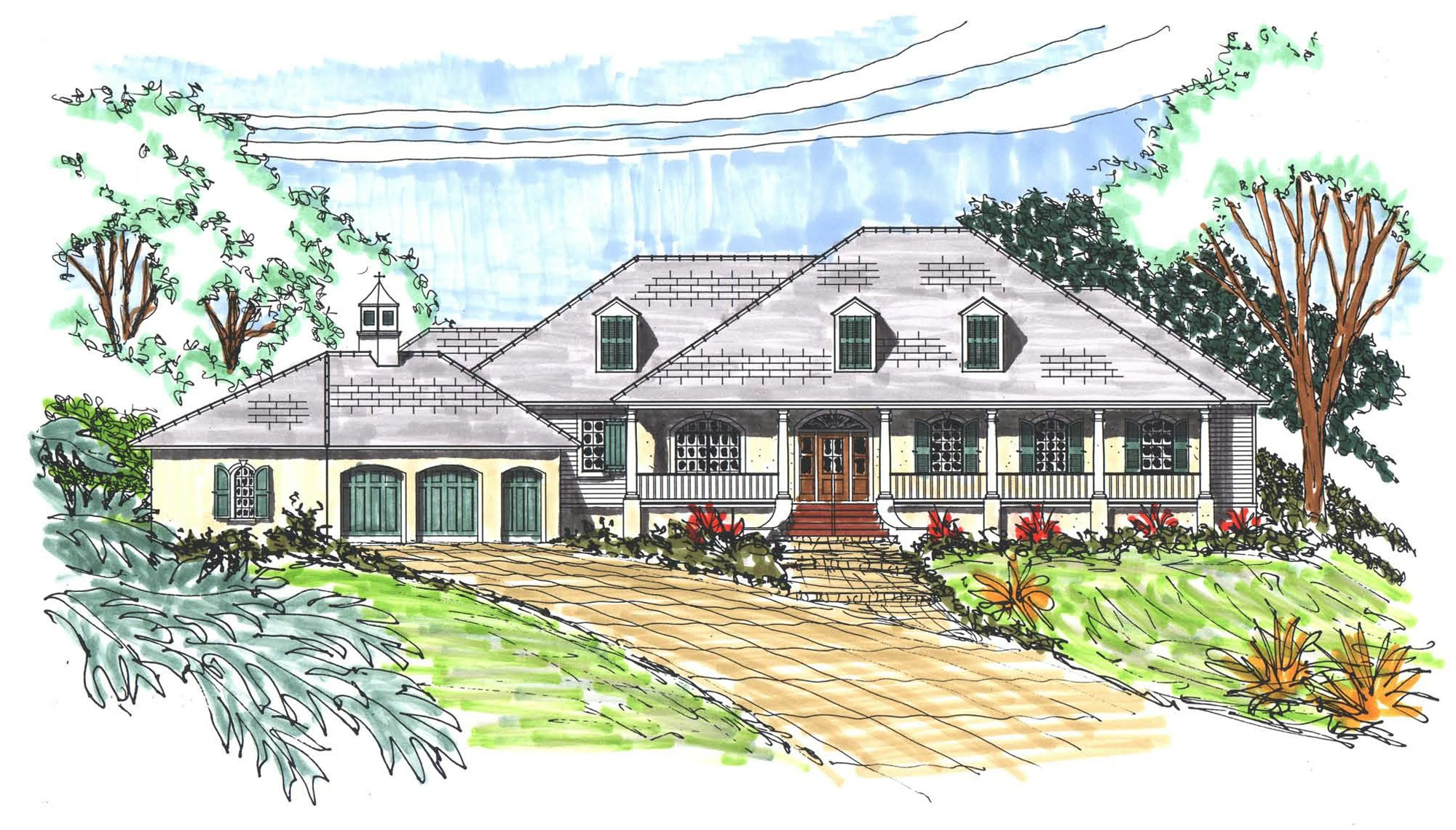
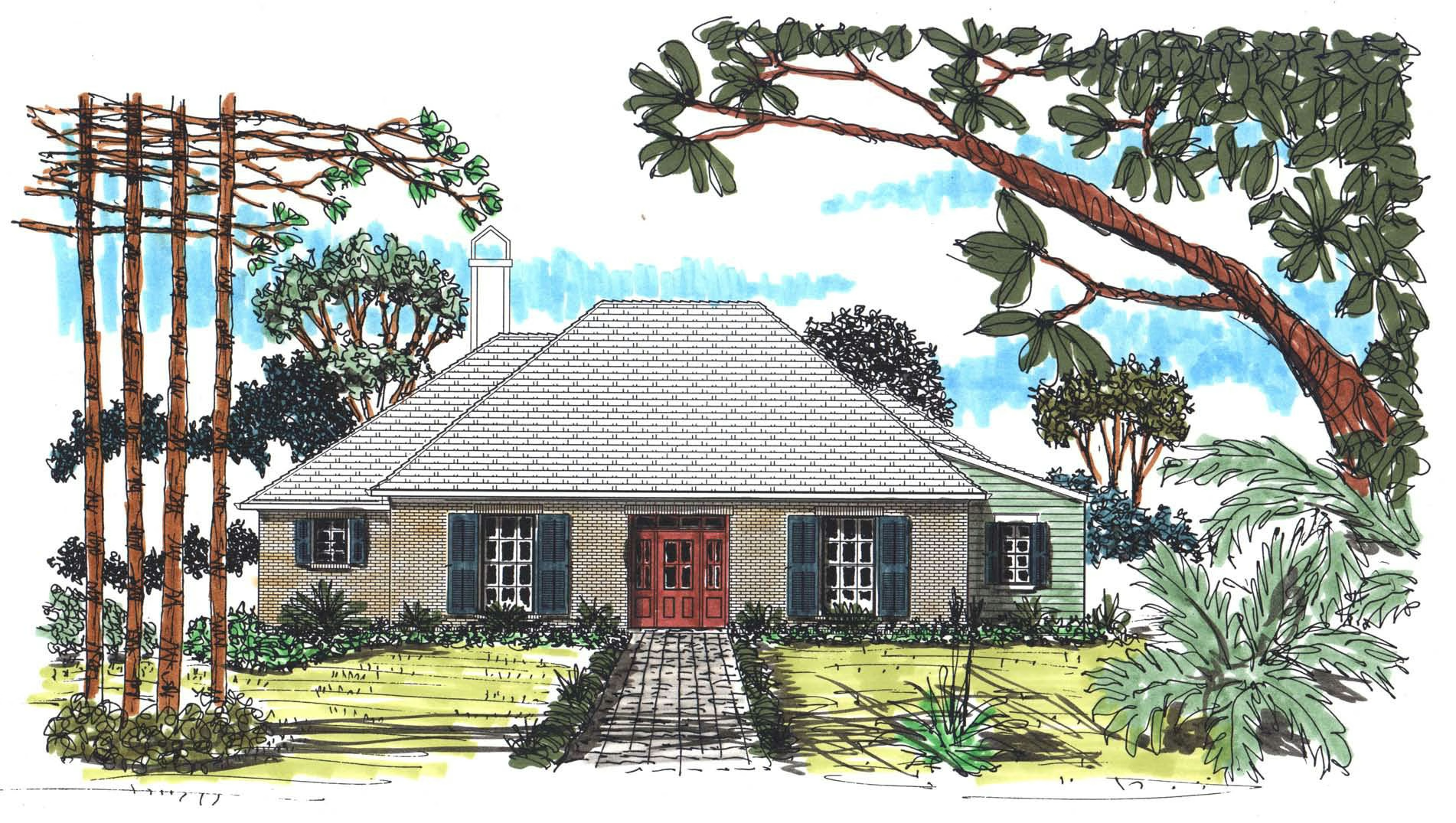
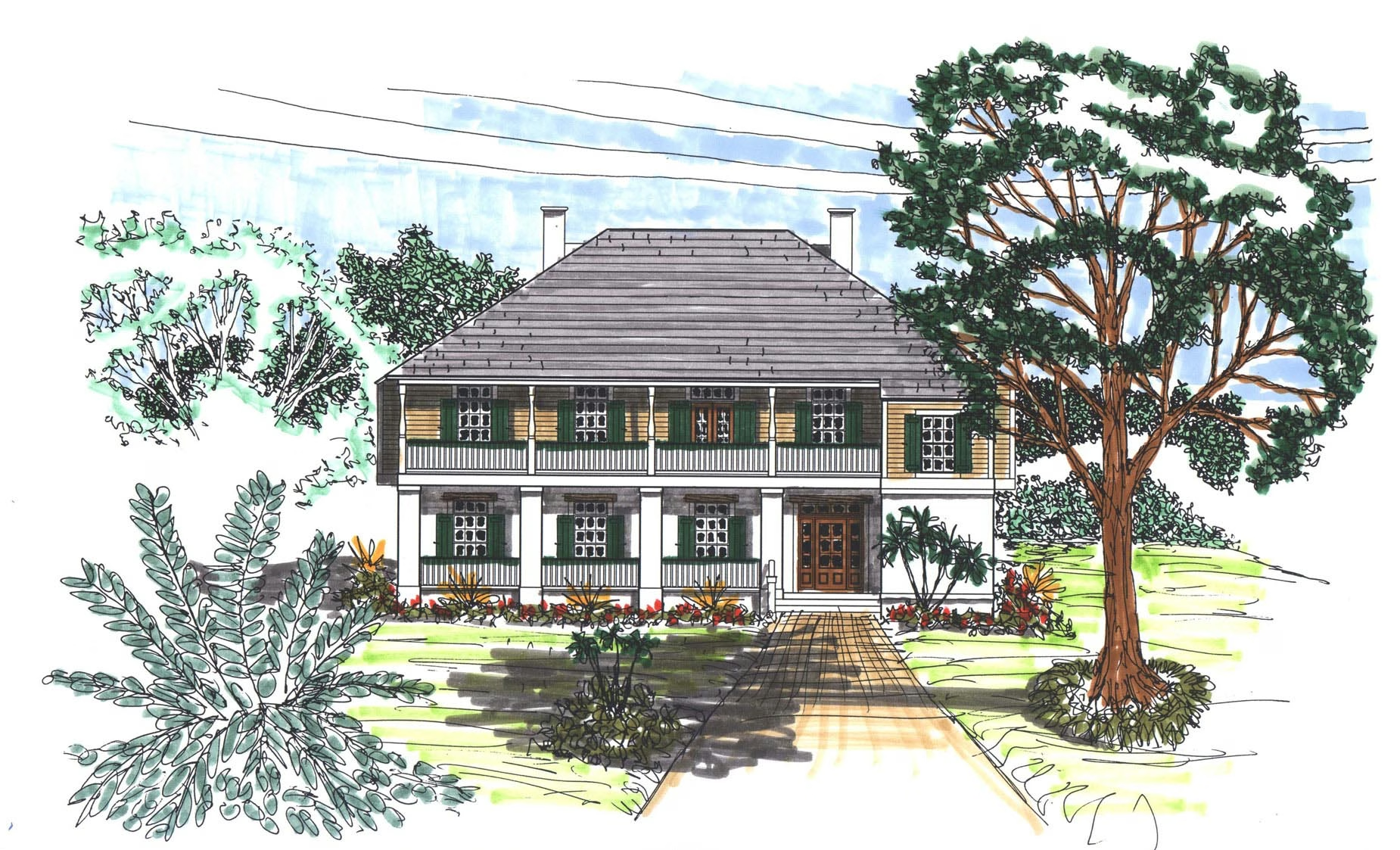
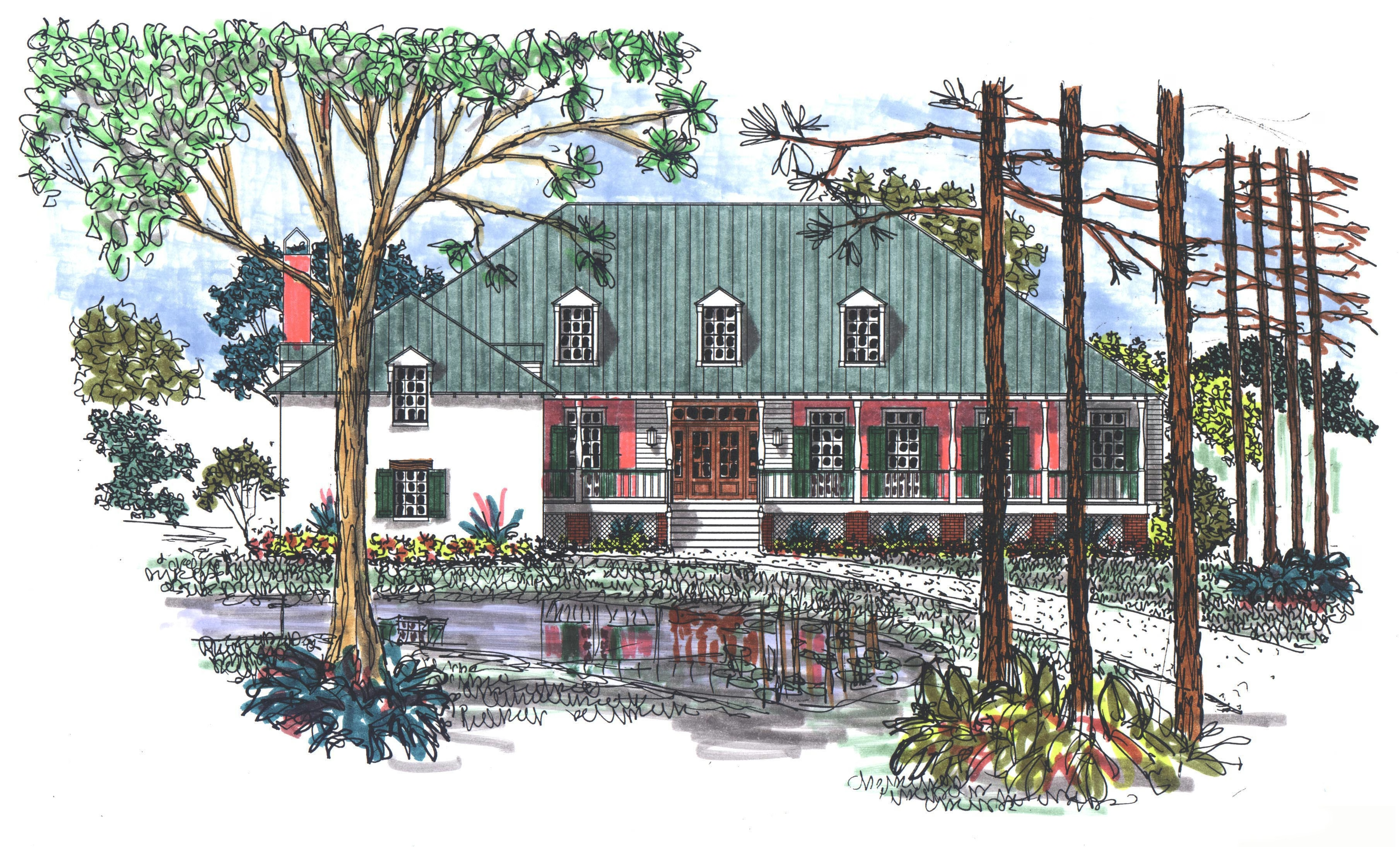
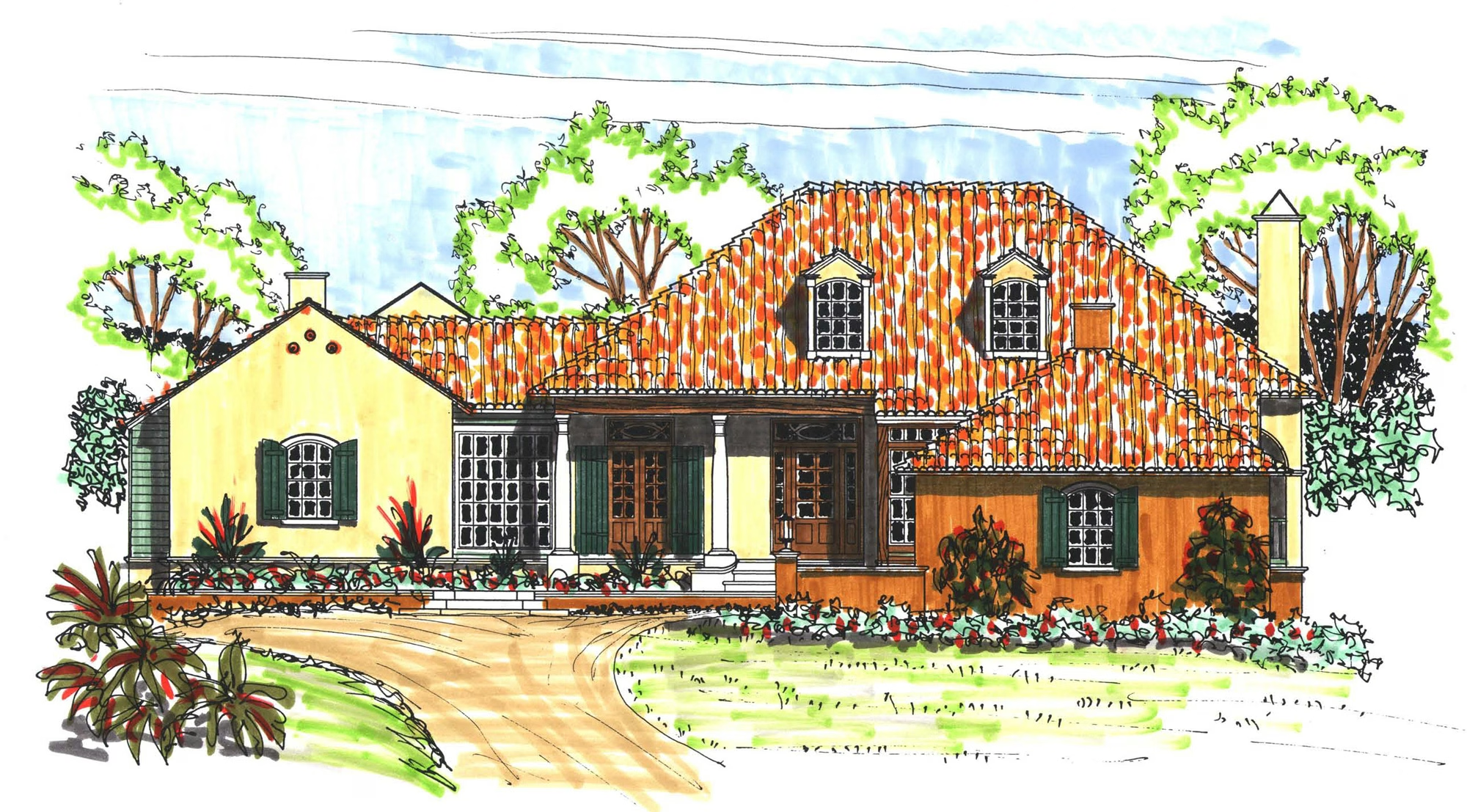
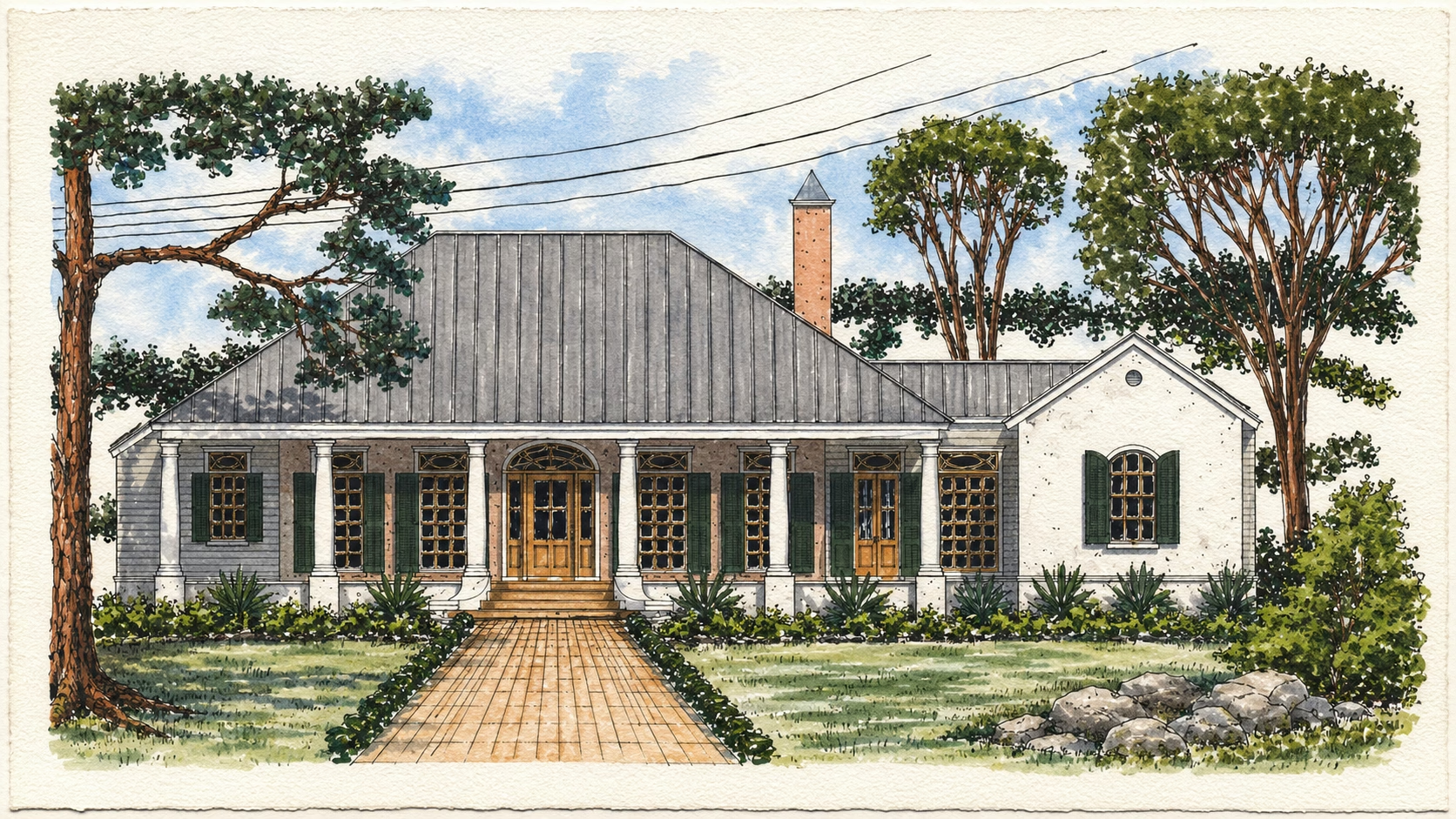
<p>The French West Indies architectural style, prevalent on islands such as Martinique and Guadeloupe, combines French colonial building traditions with practical adaptations for the Caribbean climate. Known for its steeply pitched or hipped roofs, wraparound verandas, louvered shutters, and open floor plans, this style is crafted to maintain cool and comfortable interiors in hot, humid conditions. Over time, these features have become hallmarks of Creole heritage and symbols of cultural fusion in the region.</p><h2>History</h2>
<p>This architectural style originates from the colonial era when French settlers in the Caribbean faced challenges such as tropical storms, intense heat, and heavy rainfall. By adapting French construction techniques, they integrated local materials and climate-responsive features. Elevated living spaces, wide porches, and louvered openings enhanced airflow and provided protection against the elements. The outcome was a resilient and elegant home style that embodies both European refinement and Caribbean practicality.</p><h2>Defining Features</h2>
<ul>
<li><strong>Steeply pitched or hipped roofs:</strong> Designed to shed heavy rain and withstand tropical storms.</li>
<li><strong>Expansive verandas:</strong> Wraparound porches provide shade and outdoor living space, encouraging cross-ventilation.</li>
<li><strong>Louvered shutters and doors:</strong> Adjustable louvers help capture sea breezes and protect interiors from sun and rain.</li>
<li><strong>High ceilings and open floor plans:</strong> Promote air circulation and keep interiors cool.</li>
<li><strong>Bright colors and decorative trim:</strong> Exteriors often feature vibrant hues and detailed woodwork, reflecting local culture and adding visual interest.</li>
<li><strong>Elevated living spaces:</strong> Homes are frequently raised above ground level to protect against flooding and improve ventilation.</li>
</ul><h2>Unique Construction Methods</h2>
<p>French West Indies homes use a mix of imported and local materials, such as wood, stone, and stucco. Builders adapted French joinery and framing techniques to suit the Caribbean environment, often using timber for flexibility and resilience. Roofs are typically covered in shingles or tiles, and the use of louvers and shutters is both decorative and functional. Homes are oriented to maximize natural breezes and minimize heat gain.</p><h2>Notable Examples and Regional Influence</h2>
<p>Classic examples of this style can be seen throughout Martinique, Guadeloupe, and other French Caribbean islands. The influence of the French West Indies house style extends to parts of the Florida Gulf Coast and is especially popular in resort communities and custom tropical homes. Its enduring appeal lies in its combination of elegance, comfort, and adaptability to the environment.</p><h2>Revival and Enduring Popularity</h2>
<p>Interest in the French West Indies style remains strong, particularly in regions seeking homes that balance beauty with practical solutions for tropical living. Modern interpretations continue to draw on traditional features, blending French refinement with Caribbean ease. The style’s focus on cross-ventilation, outdoor living, and vibrant aesthetics makes it a favorite for new builds and restorations in warm climates.</p><h2>Interesting Facts</h2>
<ul>
<li>Designs are optimized for cross-ventilation, reducing the need for air conditioning.</li>
<li>Brightly painted exteriors are not just decorative; they help reflect sunlight and keep interiors cooler.</li>
<li>The style is a living testament to the blending of French and Caribbean cultures, with each home reflecting local traditions and family histories.</li>
<li>Many homes feature intricate fretwork and wood carvings, showcasing the craftsmanship of local artisans.</li>
</ul><h2>Summary</h2>
<p>The French West Indies house style remains a practical response to the demands of tropical climates, combining established building techniques with local adaptations. Its defining features—such as steep roofs, verandas, and louvered shutters—address the region’s weather conditions and support comfortable living. This architectural approach continues to be used in both historic and modern contexts, valued for its effectiveness and suitability to its environment.</p>
How Our Plans Are Organized
Our plans are organized first by a Main Category (American, British, French, etc), and secondly by a Sub Style (Cape Code, Acadian, Low Country, etc).
You may use the filter tools on the Plan Search Page to narrow down your selections based on your preferred home style. Take note, that most plans can have their exterior elevations modified to a style of your choosing.