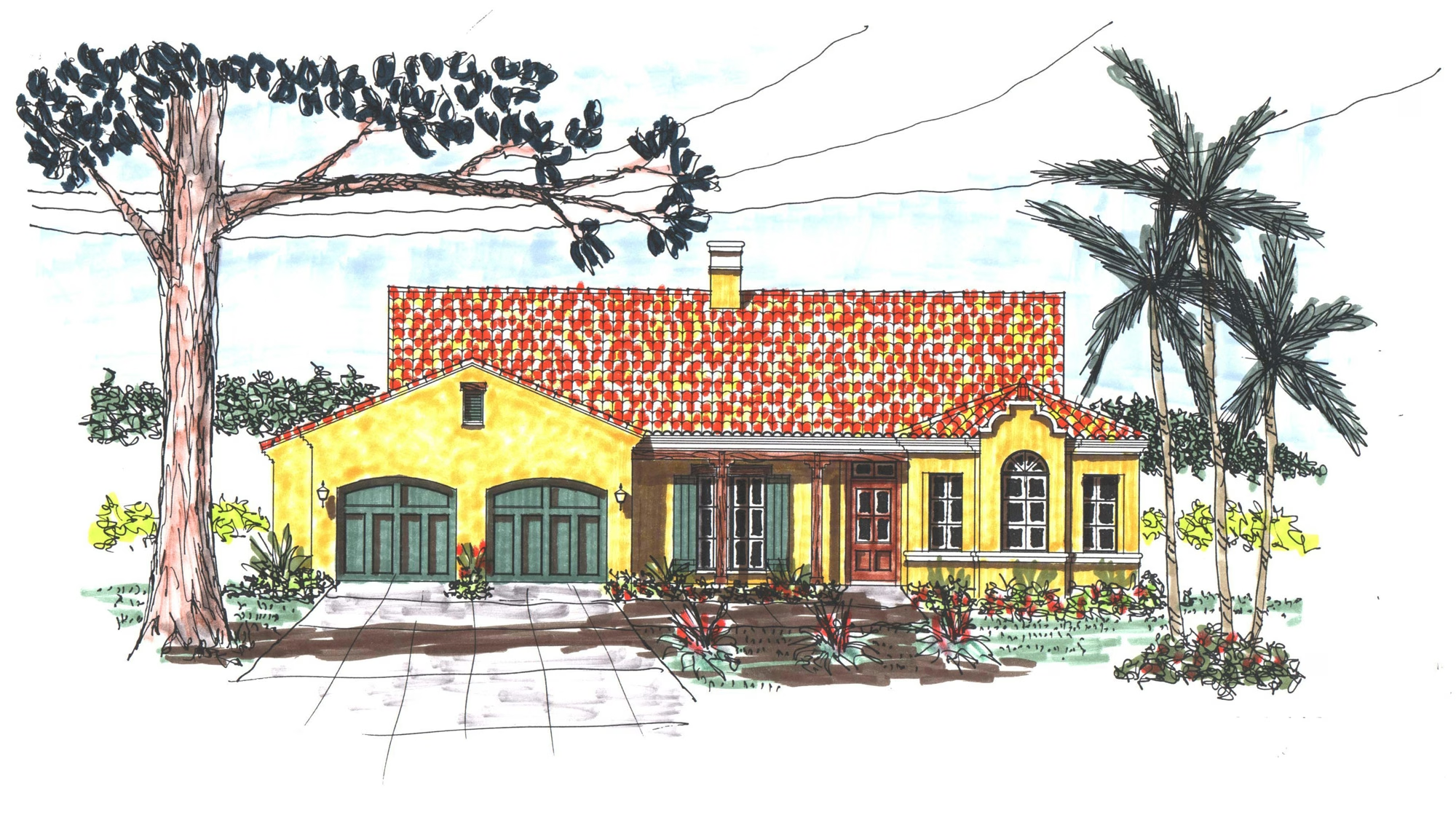
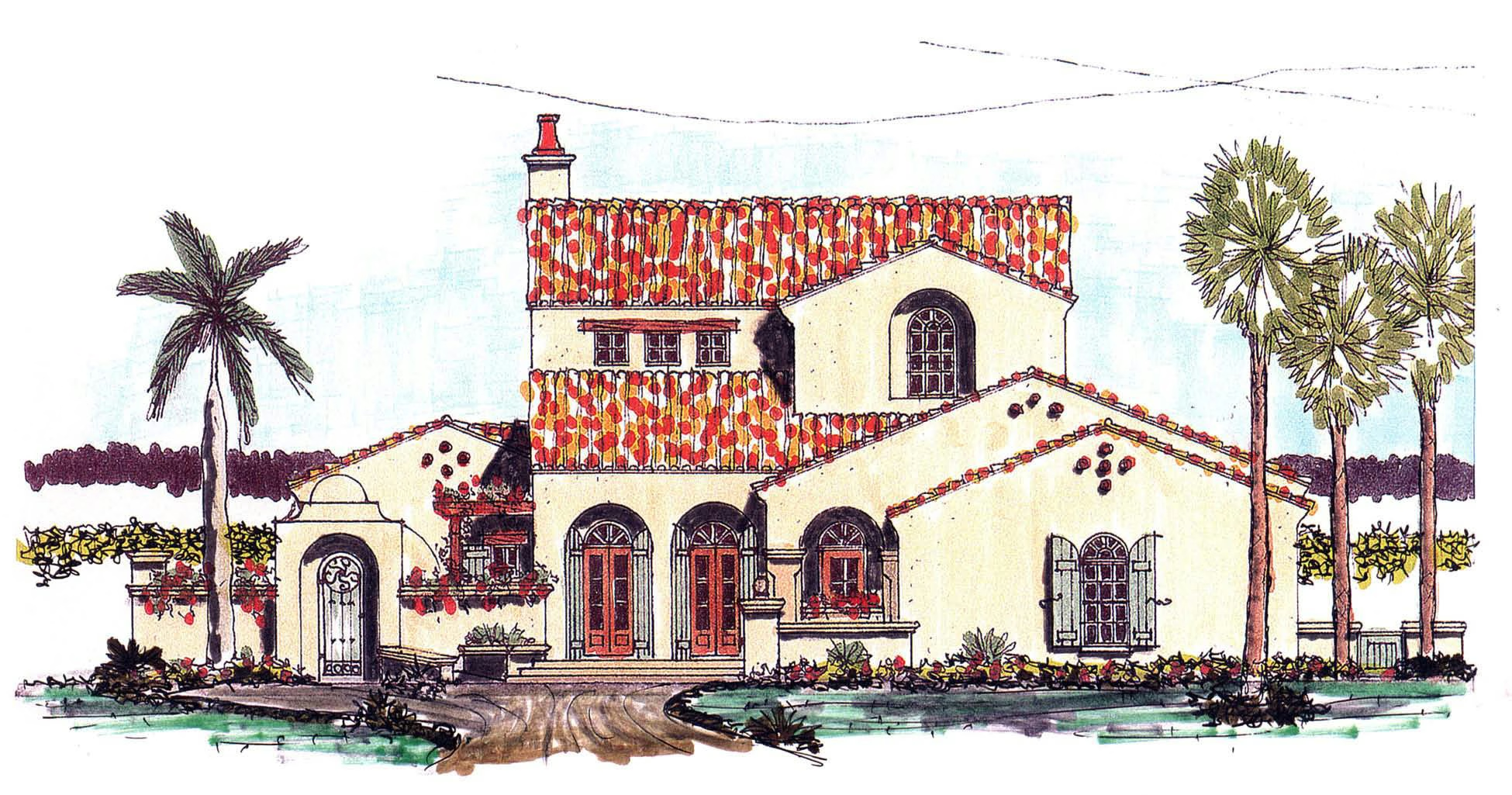
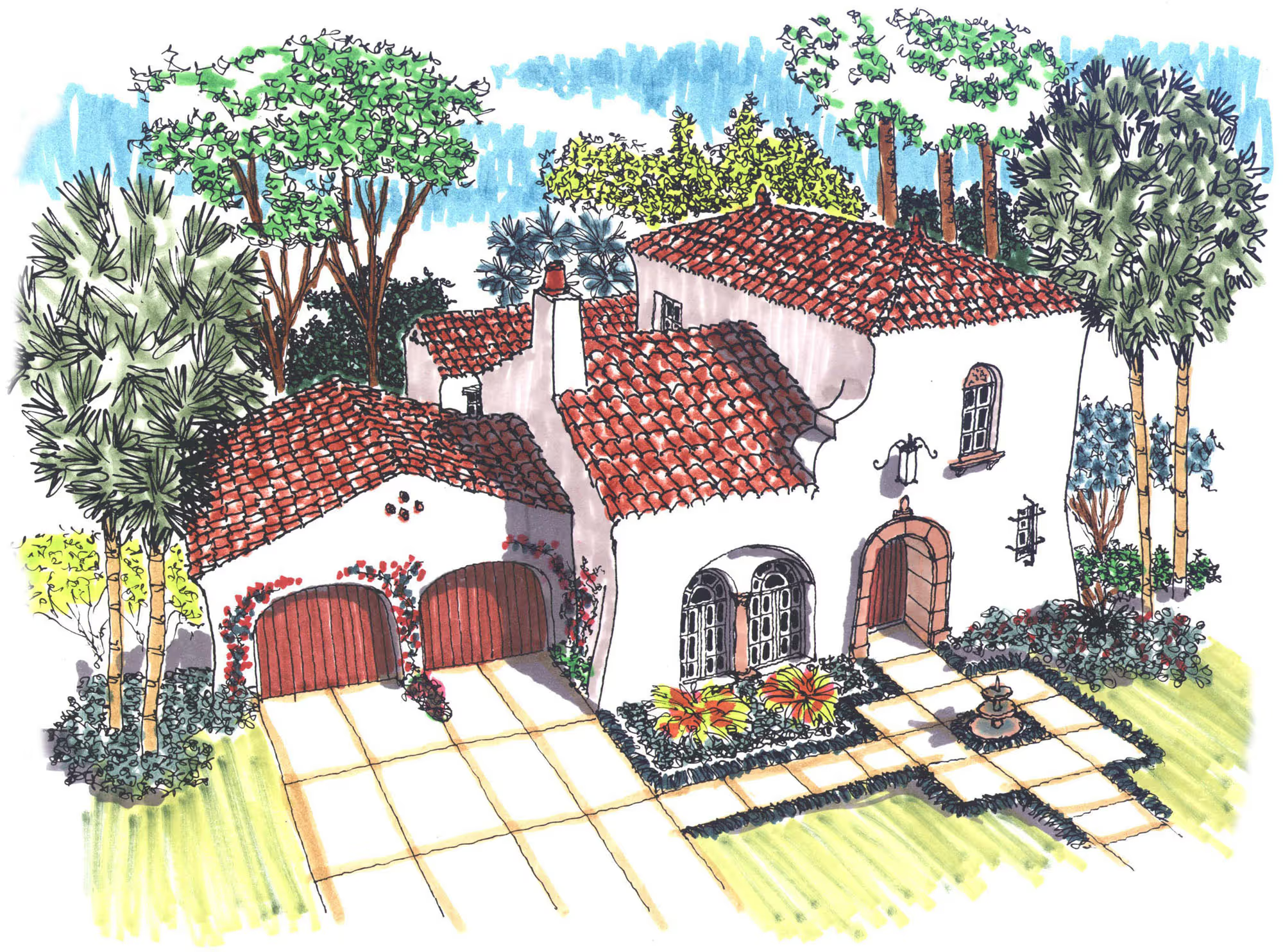
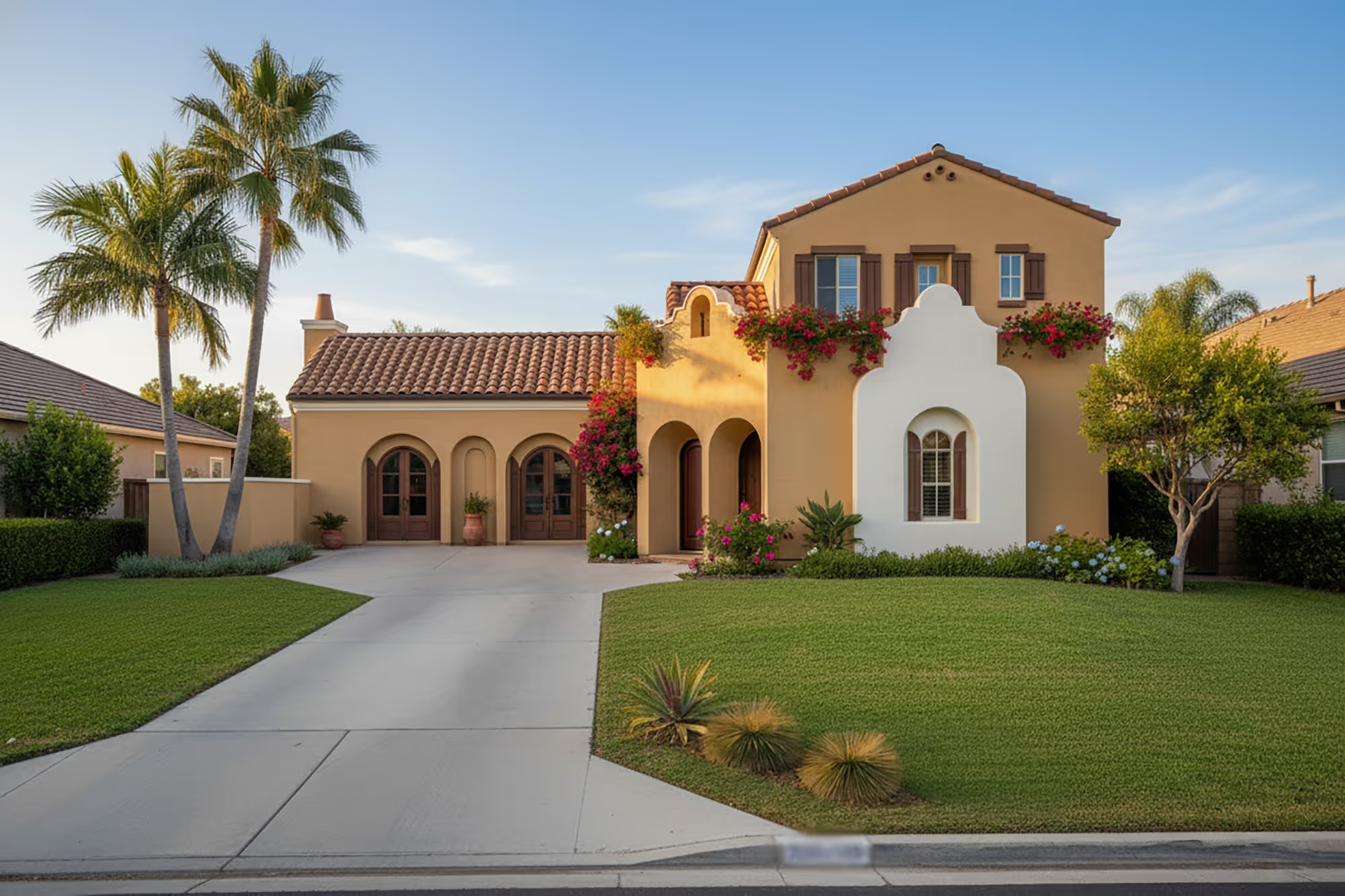
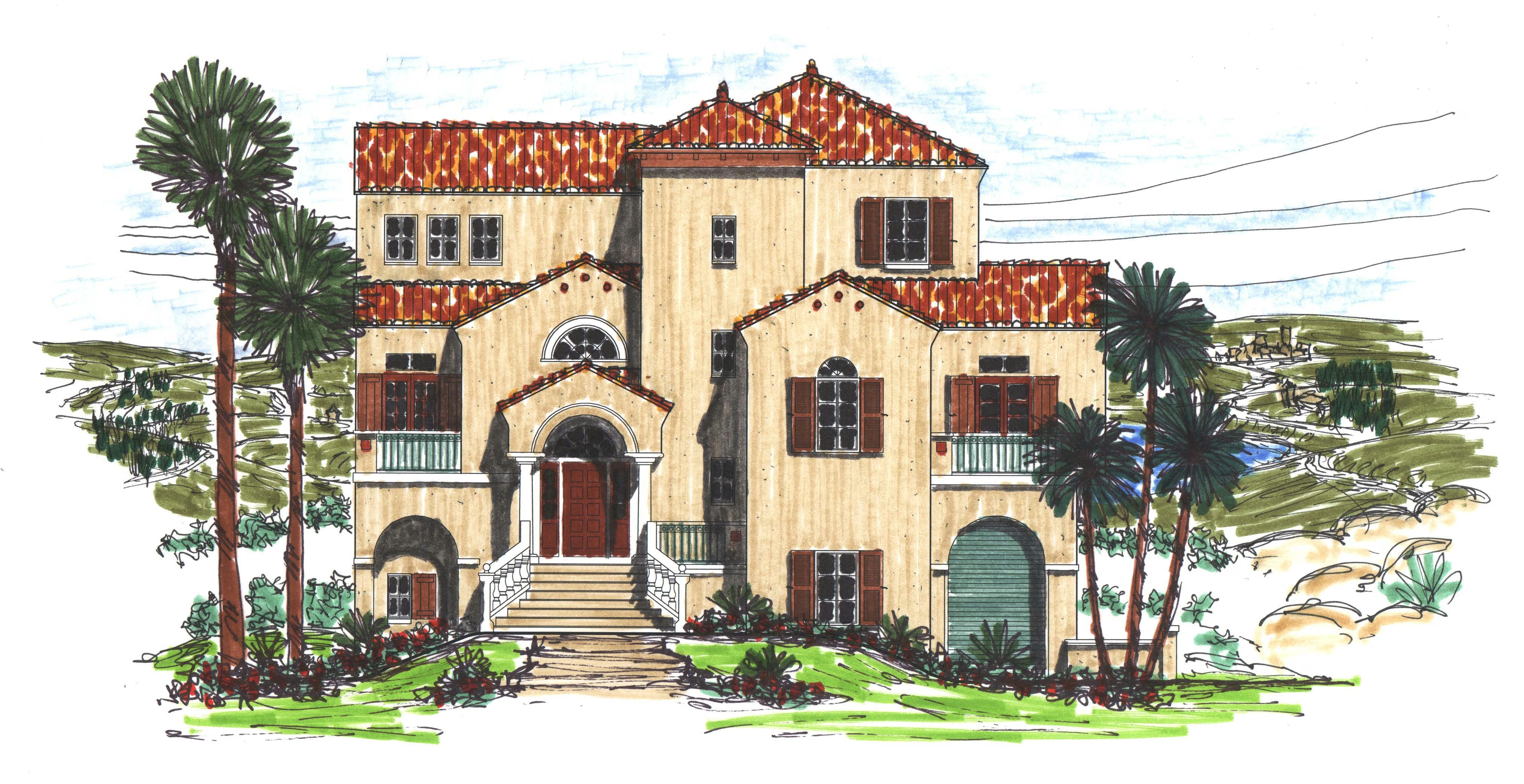
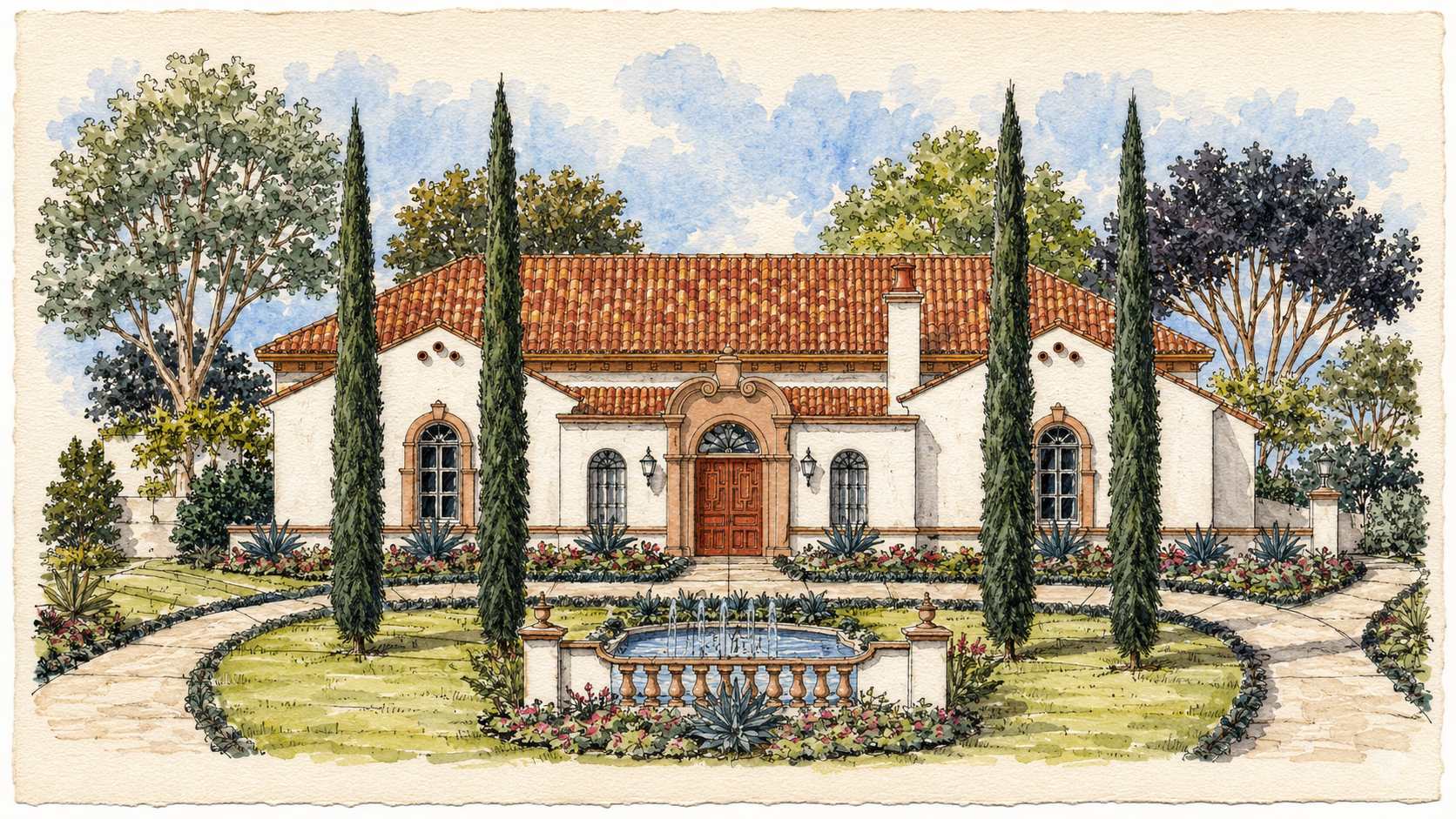
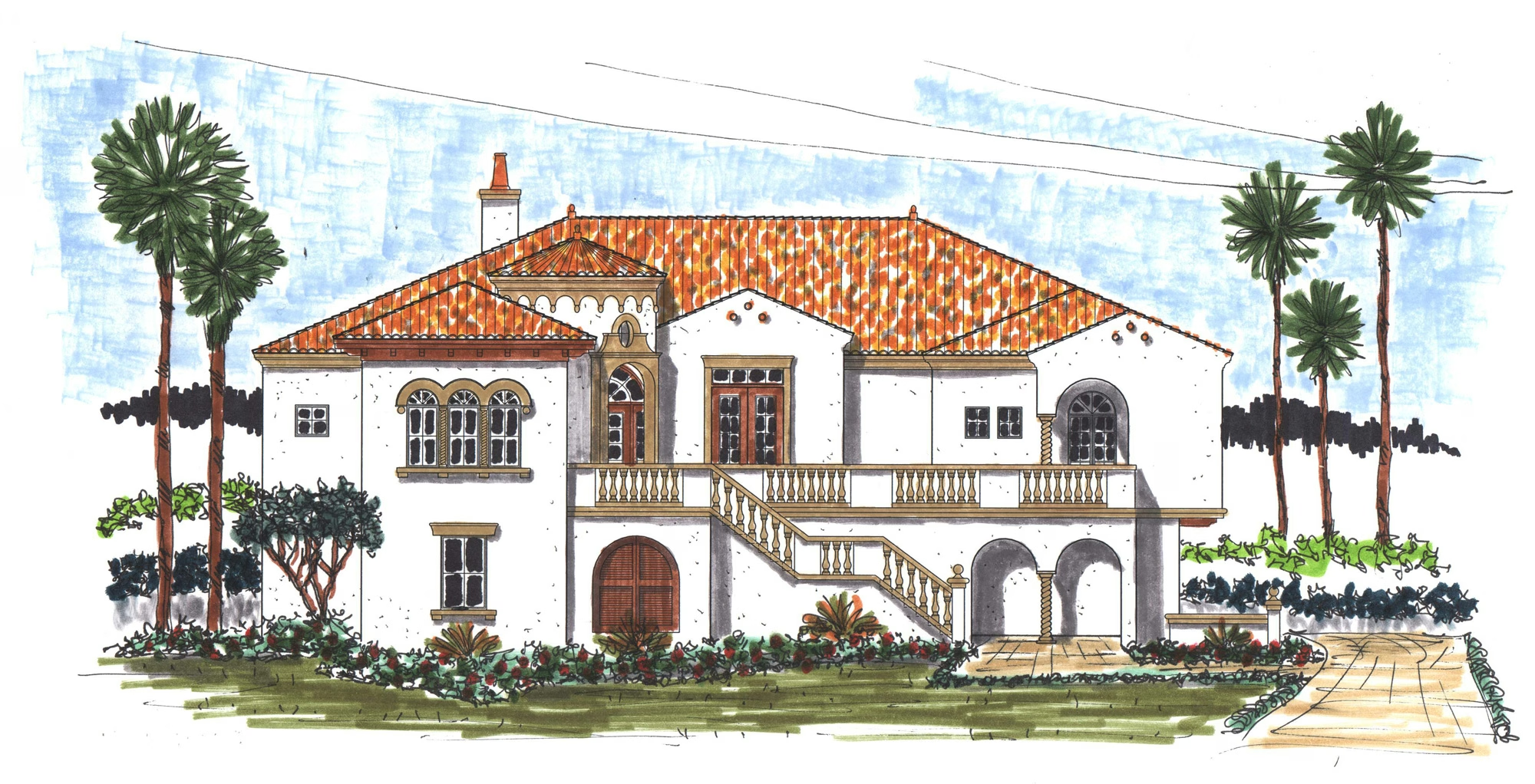
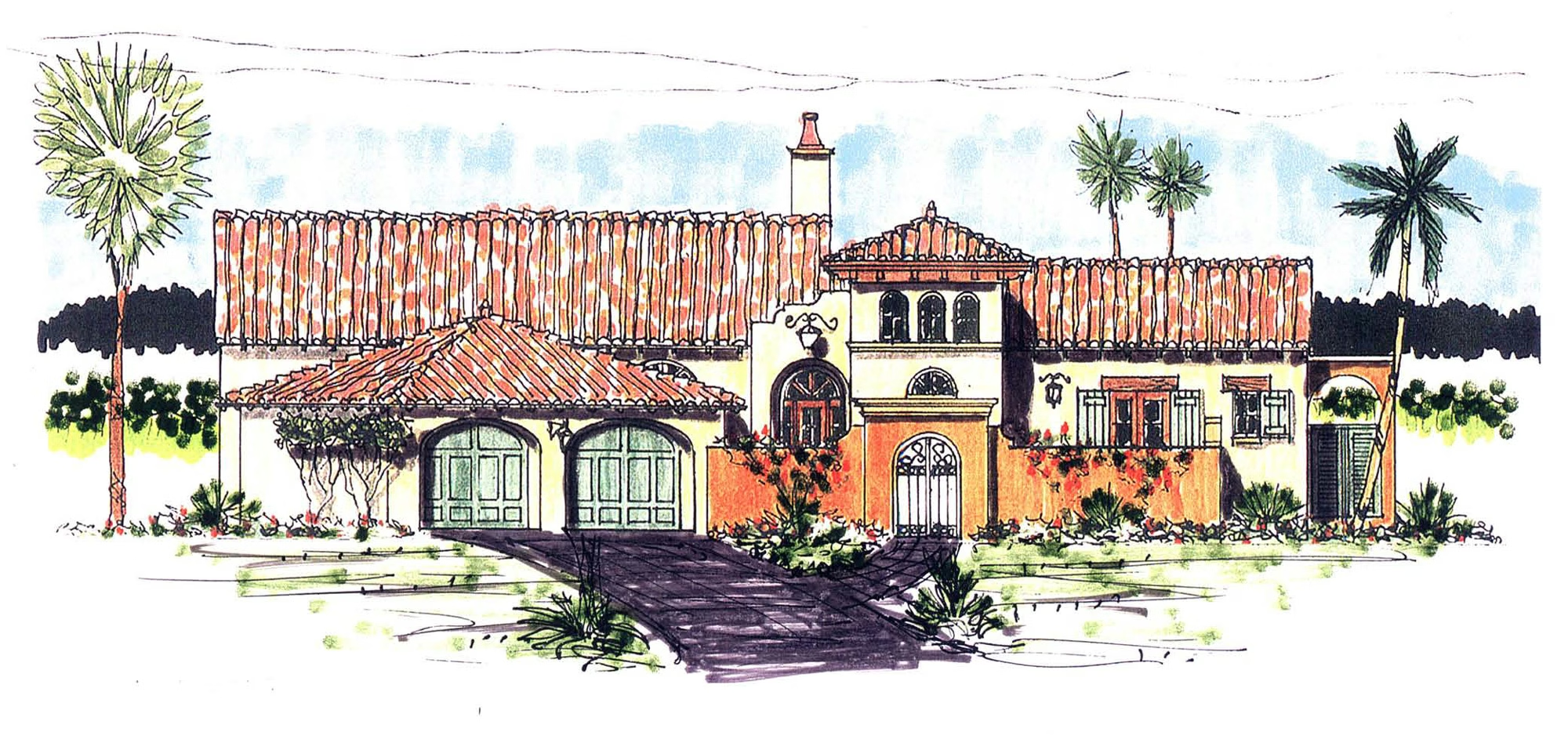
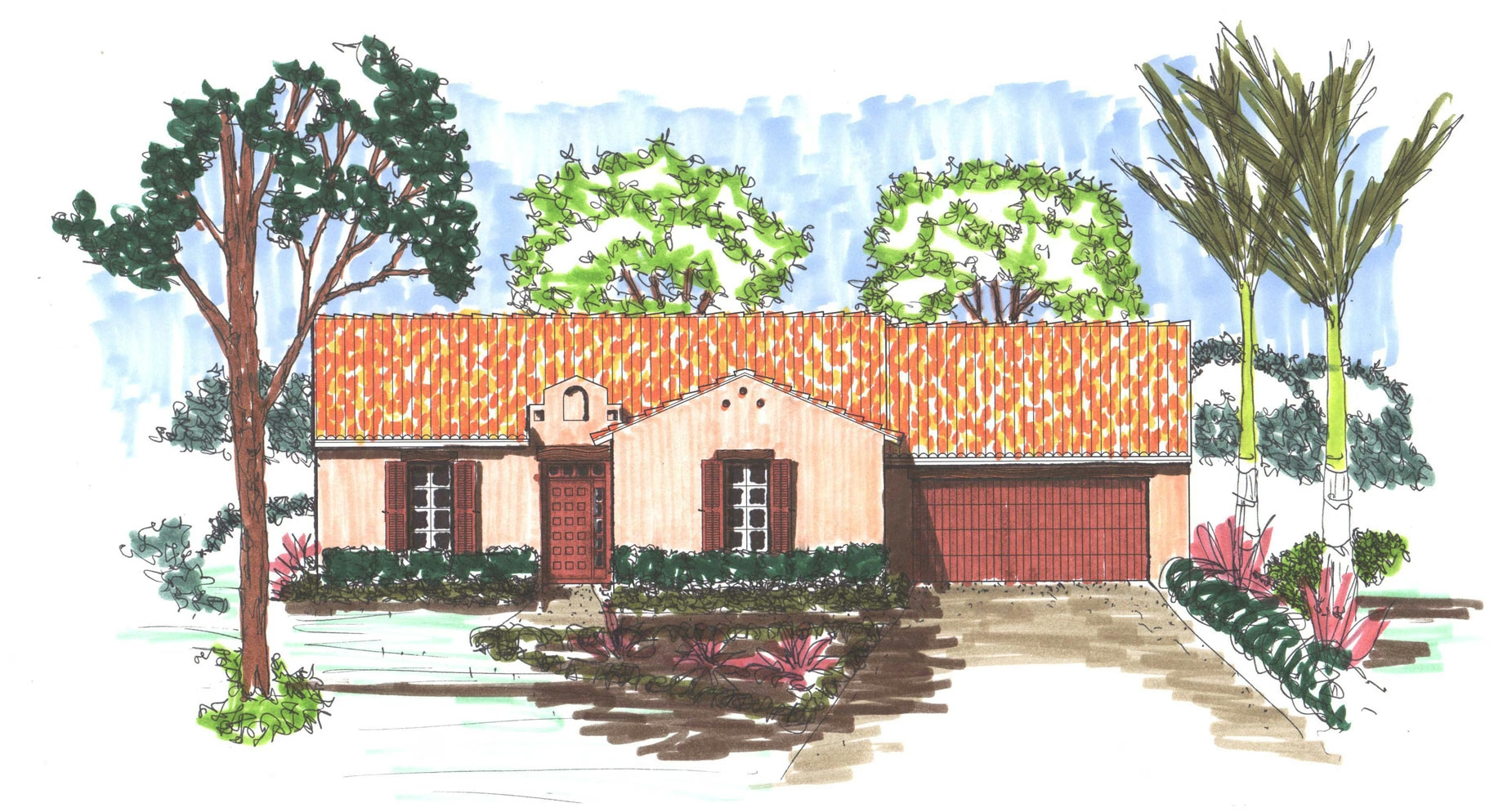
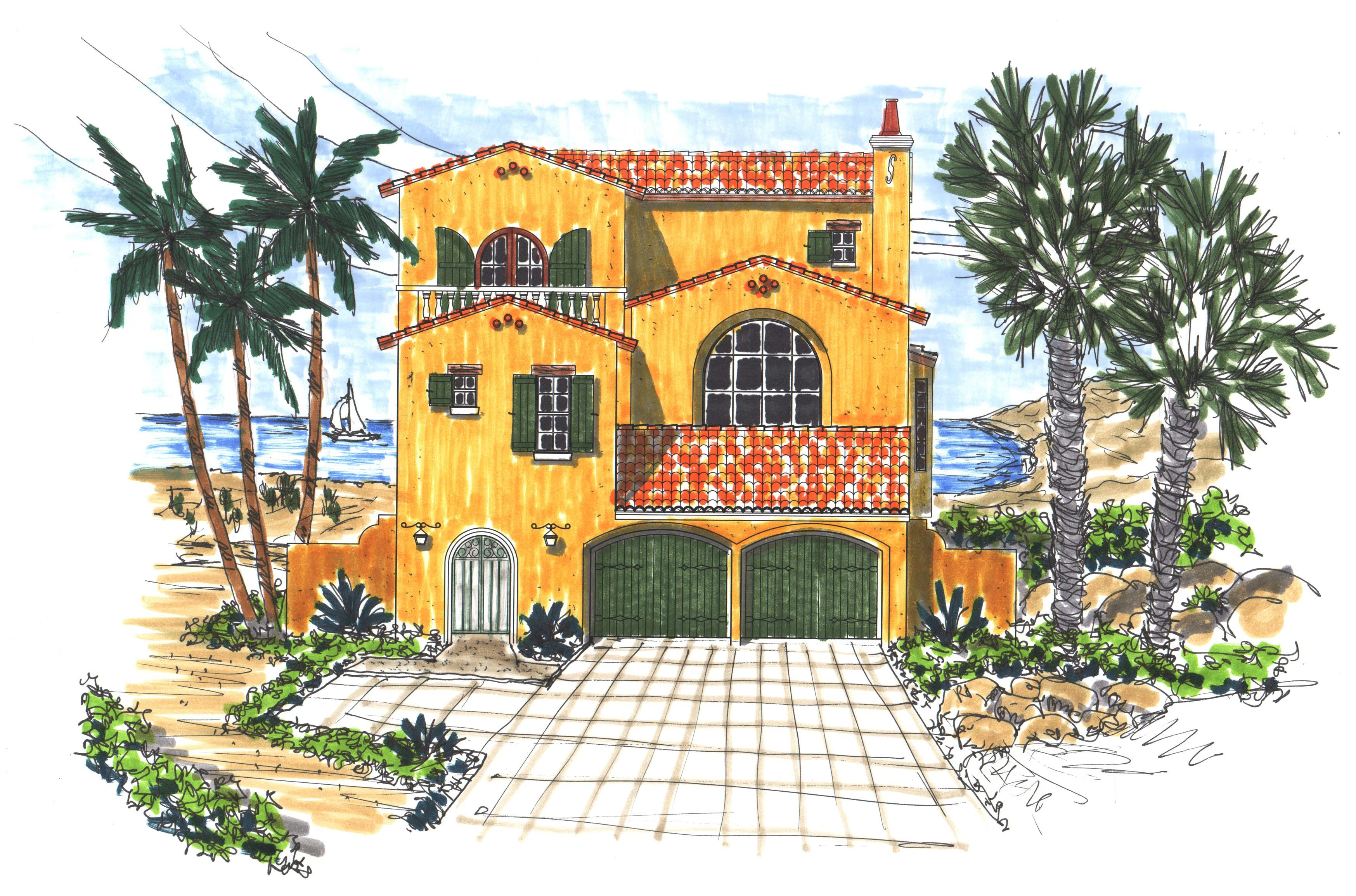
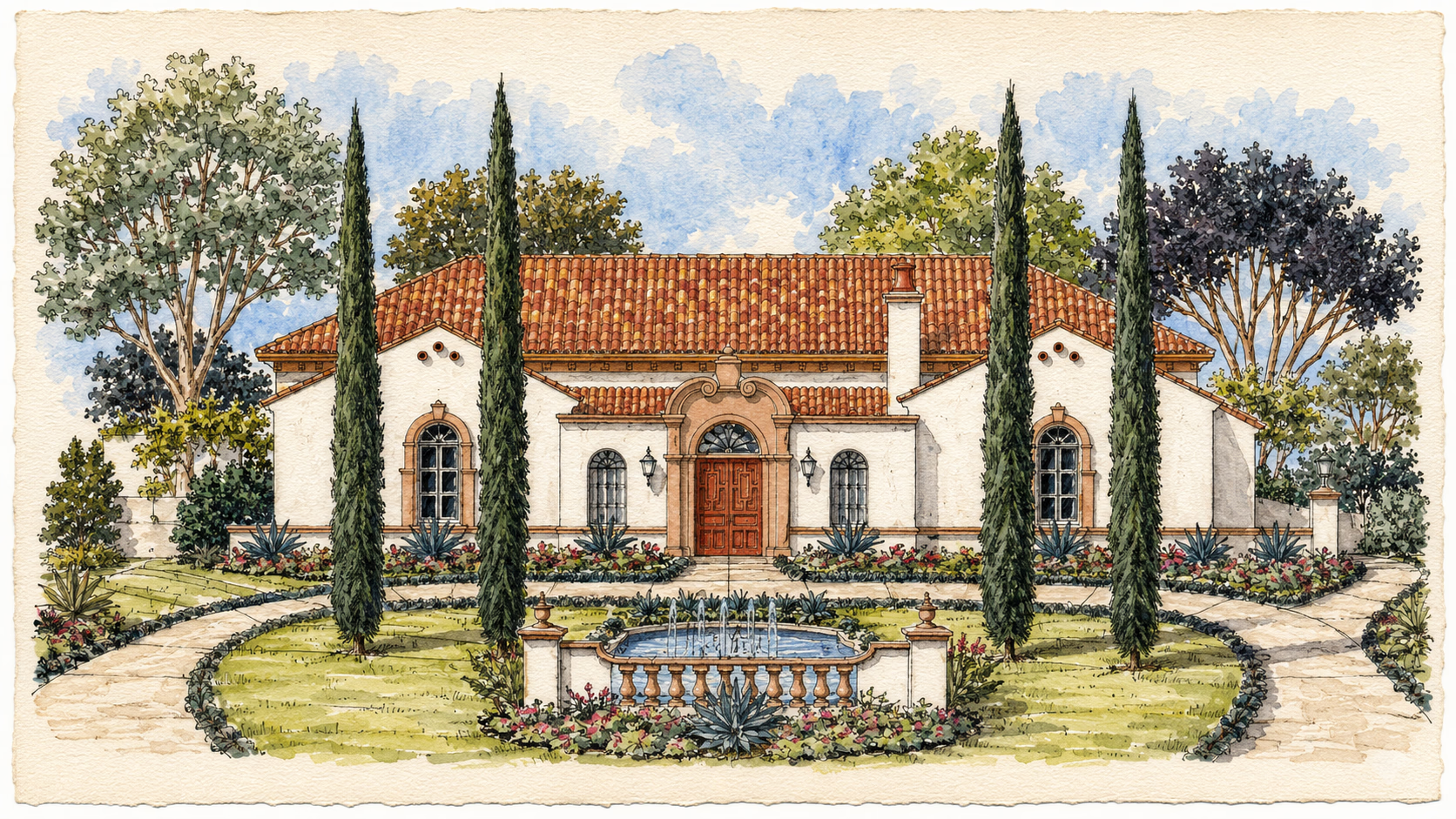
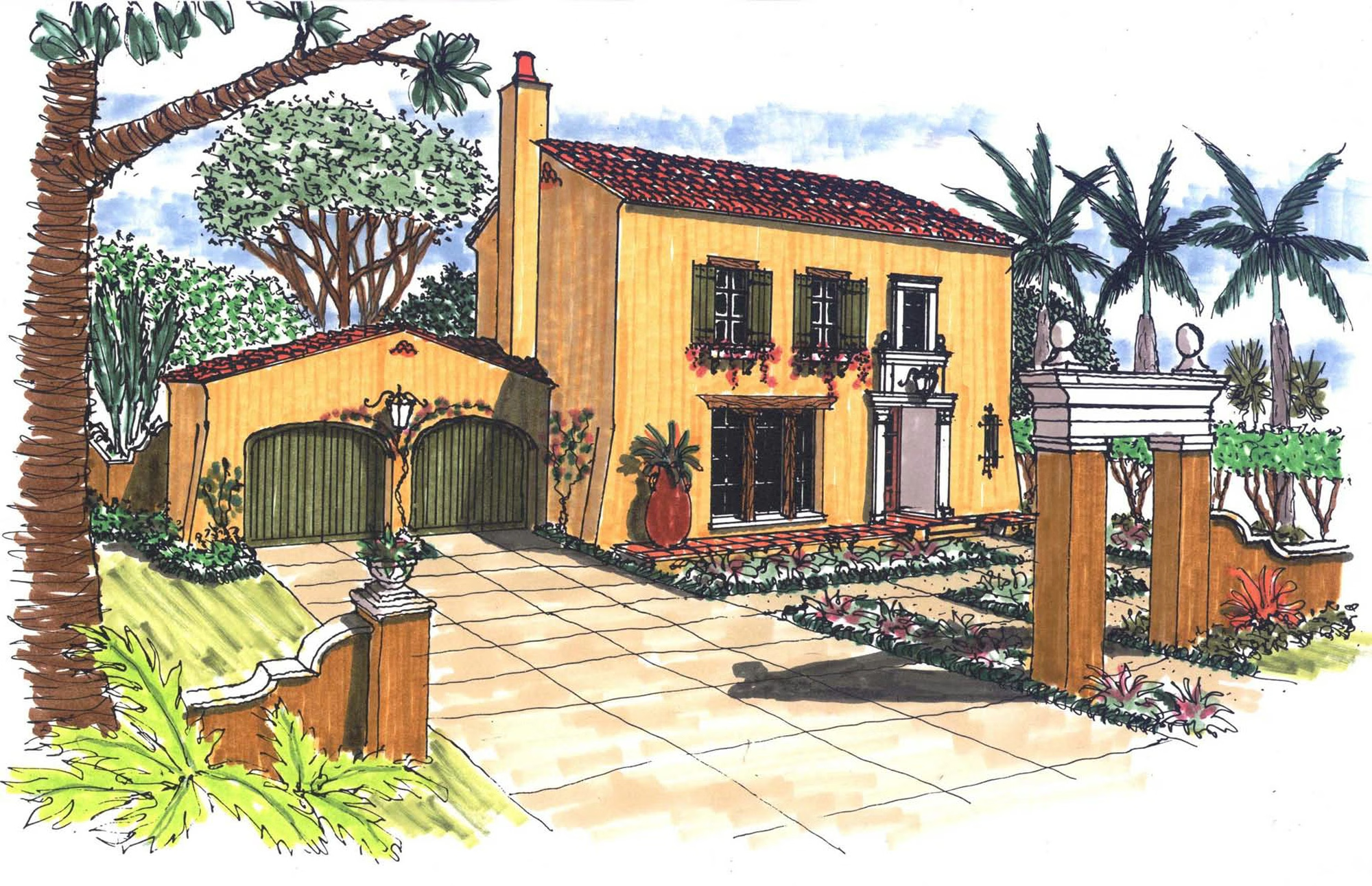
<h2>Spanish Colonial House Style</h2><p><strong>Overview:</strong> Spanish Colonial architecture originated with Spanish settlers in the Americas from the 16th to the 19th centuries. The style is prevalent in California, Florida, the American Southwest, and Latin America, where local climate and materials shaped its distinctive features.</p><p><strong>History:</strong> Spanish Colonial homes were constructed using local materials such as adobe, stone, and timber, with thick stucco or adobe walls providing insulation against heat and cold. The style was revived in the early 20th century as Spanish Colonial Revival, celebrating its historic and romantic appeal. Today, it remains popular in custom homes and restorations, inspiring Mediterranean-style designs.</p><p><strong>Defining Features:</strong></p>
<ul>
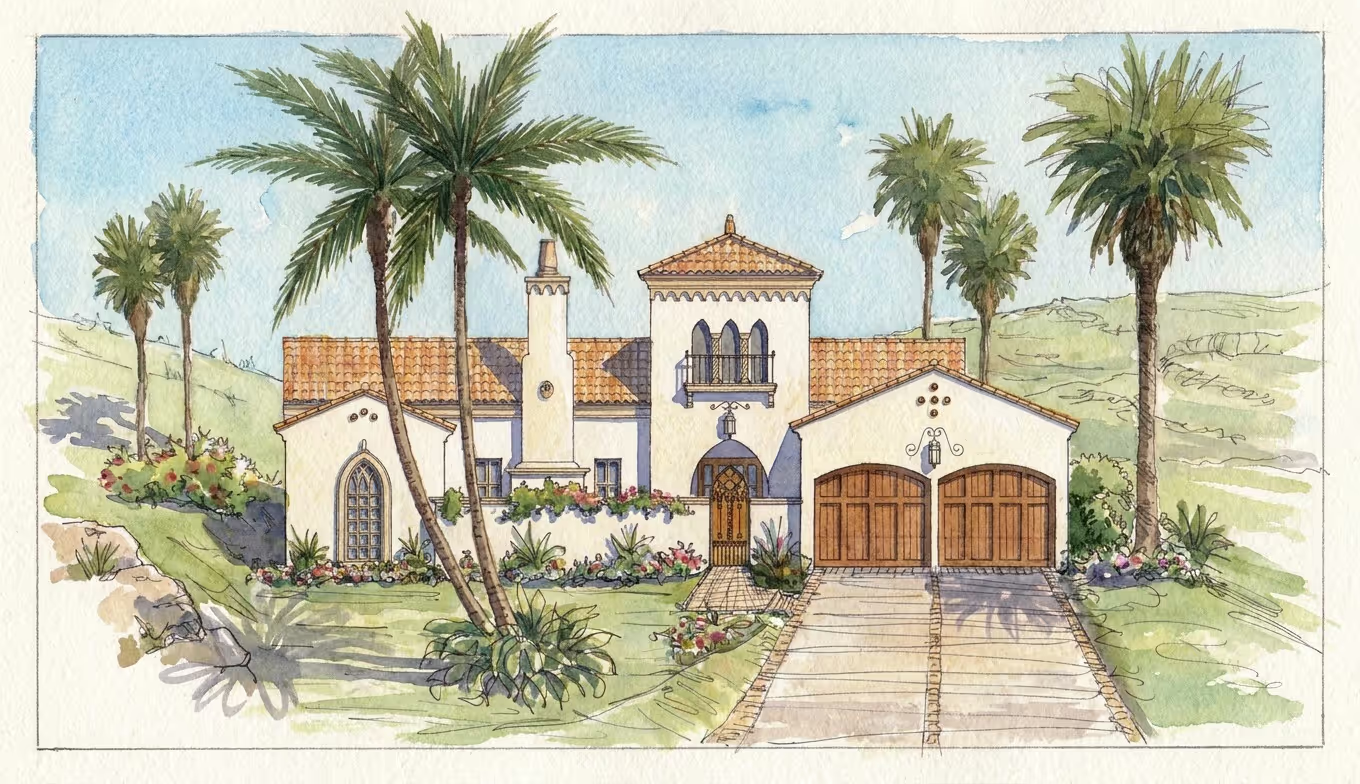
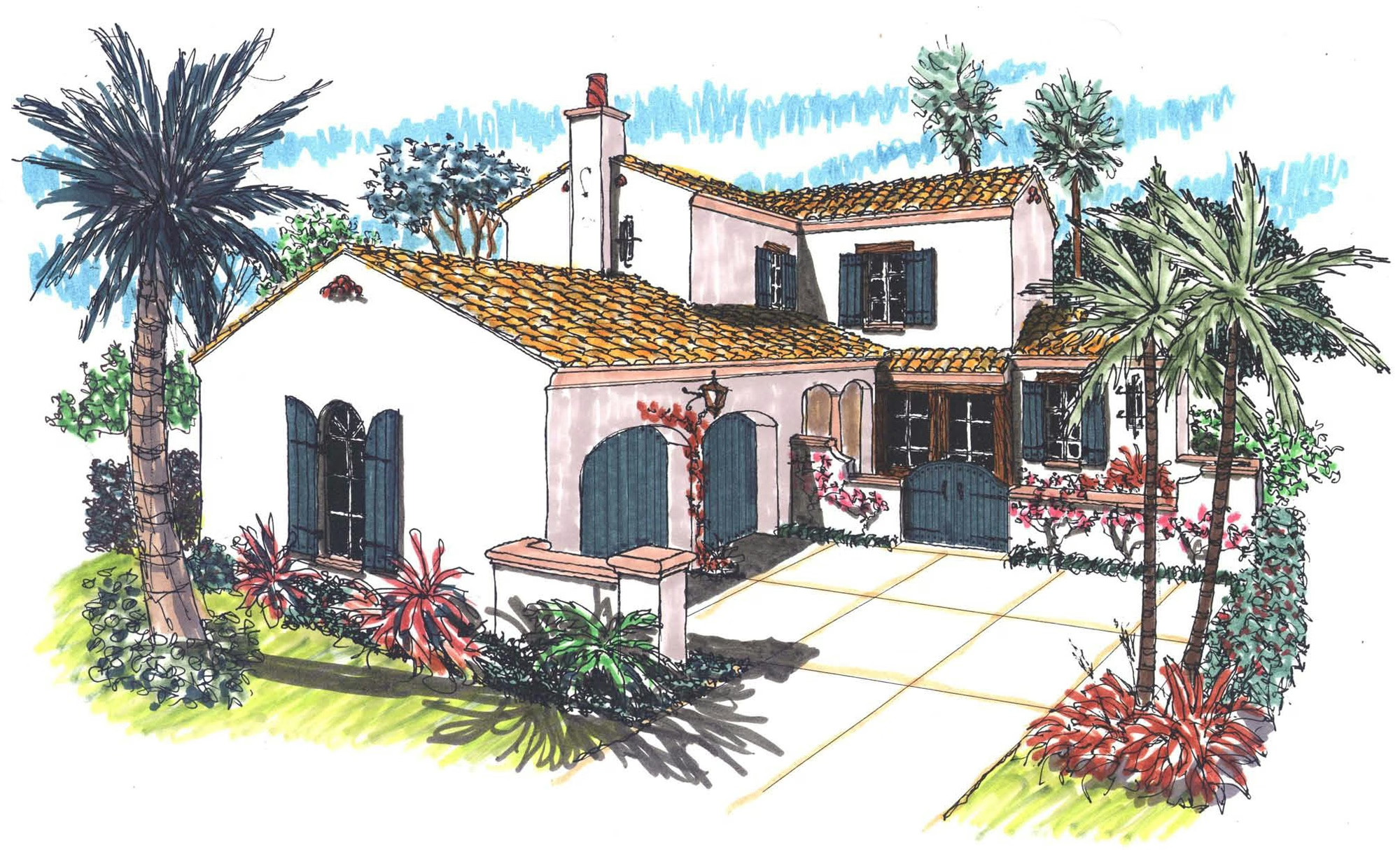
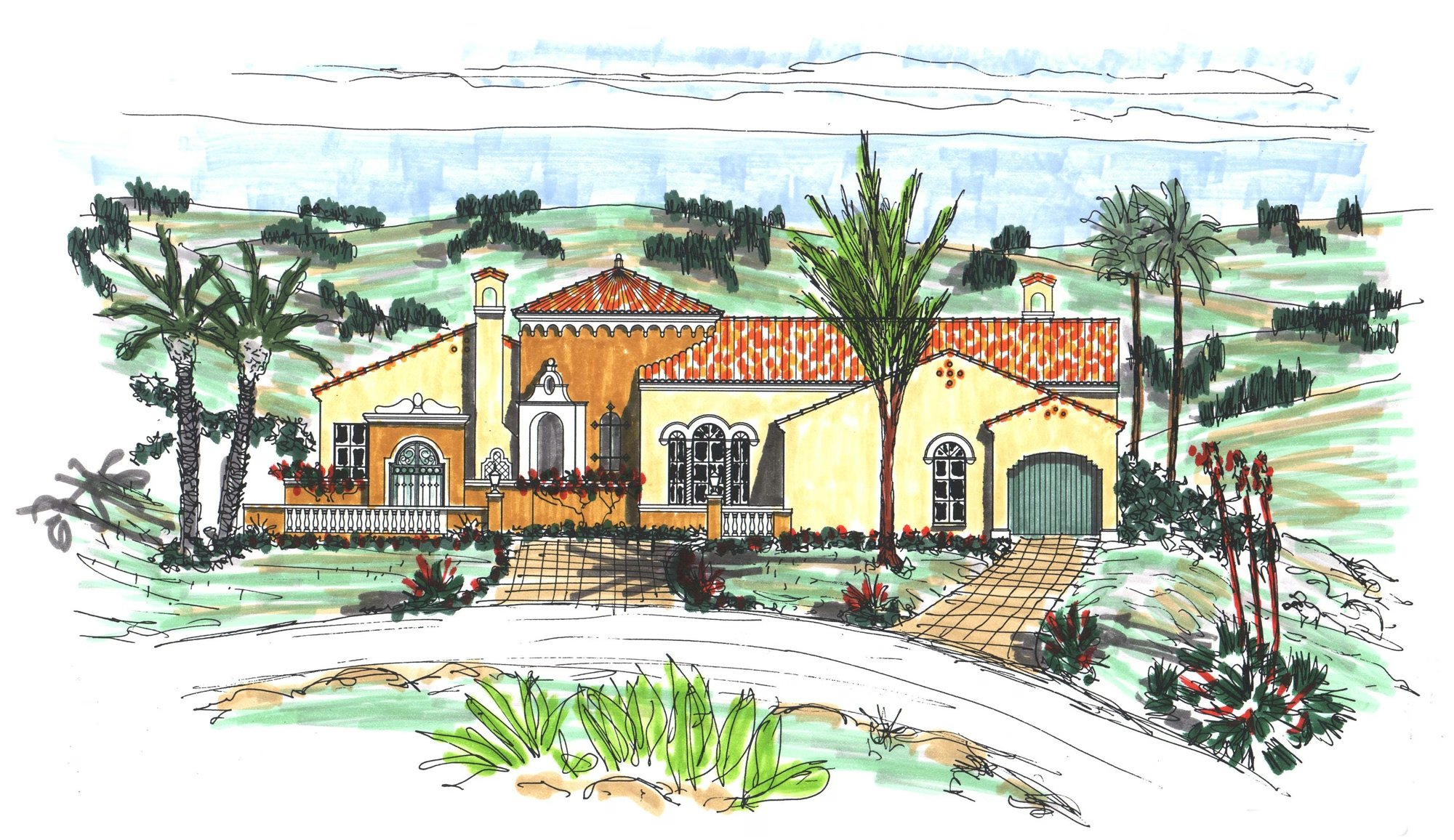
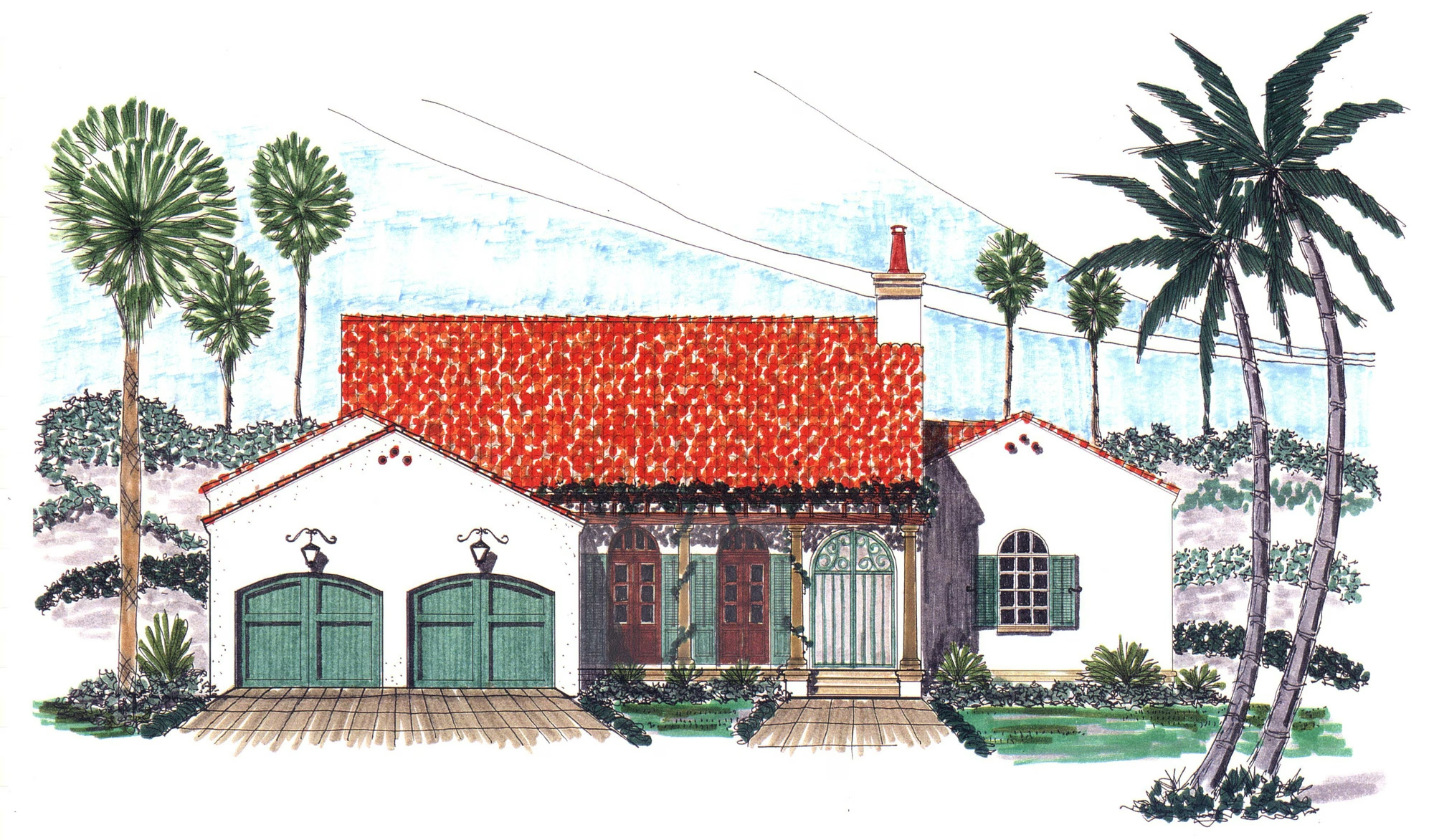
<li>Thick white stucco or adobe walls</li>
<li>Low-pitched red tile roofs</li>
<li>Small, deep-set windows with wooden shutters and often adorned with wrought iron grilles</li>
<li>Exposed wooden beams</li>
<li>Central courtyards or patios that provide shade and ventilation</li>
<li>Arched doorways and decorative tilework</li>
<li>Heavy wood doors</li>
<li>Deep eaves to protect from the sun</li>
</ul><p><strong>Construction Methods:</strong> Builders used locally sourced materials and traditional techniques, including adobe brick making and hand-laid terra-cotta tile roofs. Thick walls and small windows provided insulation and privacy, ideal for hot climates.</p><p><strong>Notable Examples:</strong> Notable examples include historic missions and haciendas in California and the Southwest, such as Mission San Juan Capistrano (California), San José de Gracia Church (New Mexico), Casa del Herrero (California), and Cusco Cathedral (Peru).</p><p><strong>Fun Facts:</strong></p>
<ul>
<li>Central courtyards provided private, shaded outdoor spaces and improved airflow.</li>
<li>Thick walls and small windows were practical adaptations for hot, sunny climates, offering insulation and privacy.</li>
</ul><p>Spanish Colonial homes combine rustic charm with a sense of grounded heritage. Their enduring appeal comes from practical design, regional adaptation, and a connection to centuries-old building traditions.</p><p><strong>References:</strong><br>
<a href="https://www.masterclass.com/articles/spanish-colonial-architecture-guide?utm_source=openai">MasterClass: Spanish Colonial Architecture Guide</a><br>
<a href="https://spanish-architecture.info/2024/06/17/what-makes-spanish-colonial-architecture-unique/?utm_source=openai">Spanish-Architecture.info</a><br>
<a href="https://en.wikipedia.org/wiki/San_Jos%C3%A9_de_Gracia_Church?utm_source=openai">San José de Gracia Church (Wikipedia)</a><br>
<a href="https://en.wikipedia.org/wiki/Casa_del_Herrero?utm_source=openai">Casa del Herrero (Wikipedia)</a><br>
<a href="https://en.wikipedia.org/wiki/Cusco_Cathedral?utm_source=openai">Cusco Cathedral (Wikipedia)</a></p>
How Our Plans Are Organized
Our plans are organized first by a Main Category (American, British, French, etc), and secondly by a Sub Style (Cape Code, Acadian, Low Country, etc).
You may use the filter tools on the Plan Search Page to narrow down your selections based on your preferred home style. Take note, that most plans can have their exterior elevations modified to a style of your choosing.