<h2>Tudor House Style: Old-World Character and Appeal</h2><h2>Overview</h2>
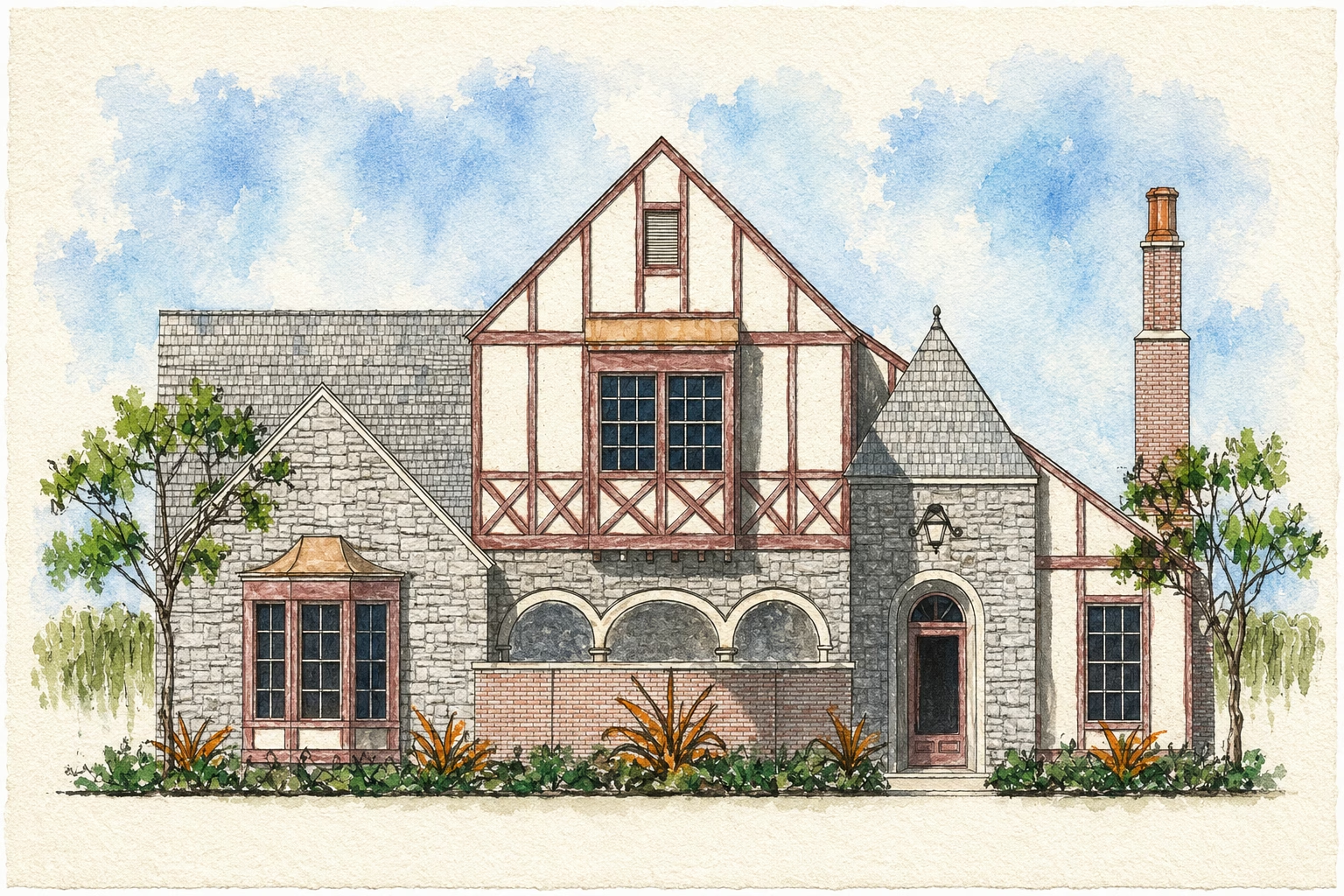
<p>The Tudor house style is recognized for its distinctive half-timbering, steeply pitched gable roofs, and tall, narrow windows with leaded glass. Decorative timber framing on the exterior contrasts with light-colored stucco or masonry infill. Interiors often feature exposed beams and substantial fireplaces. This style evokes the look of English manors and cottages.</p><h2>History</h2>
<p>Tudor architecture originated in late medieval England, spanning the late 15th to early 17th centuries. The style was revived in the late 19th and early 20th centuries, especially in Britain and the United States, as "Tudor Revival." This resurgence reflected a nostalgic appreciation for craftsmanship and traditional forms, appealing to those seeking a romanticized vision of the English countryside. Tudor homes became popular in suburban neighborhoods and remain a favorite in historic districts and themed developments.</p><h2>Defining Features</h2>
<ul>
<li><strong>Half-Timbering:</strong> Exposed wooden framework filled with stucco or masonry, creating a striking exterior pattern.</li>
<li><strong>Steep Gable Roofs:</strong> Roofs are sharply pitched, often with multiple cross gables and prominent eaves.</li>
<li><strong>Tall, Narrow Windows:</strong> Windows are typically grouped in bands and feature leaded glass or diamond-shaped panes.</li>
<li><strong>Brickwork and Stucco:</strong> Many Tudor homes combine brick on the lower story with stucco and timber above.</li>
<li><strong>Substantial Chimneys:</strong> Large, decorative chimneys are common, sometimes with patterned brickwork or chimney pots.</li>
<li><strong>Arched Doorways:</strong> Entrances often feature rounded or Tudor arches, adding to the style’s historic character.</li>
</ul><h2>Unique Construction Methods</h2>
<p>Original Tudor homes in England used solid oak frames with wattle-and-daub or brick infill. Tudor Revival homes use modern construction but replicate the look with decorative wood and stucco. Brickwork, stone, and slate are also common materials. Interiors may include exposed ceiling beams, wood paneling, and grand fireplaces as focal points.</p><h2>Notable Examples</h2>
<ul>
<li><strong>Liberty & Co. Department Store, London:</strong> A landmark example of Tudor Revival architecture, featuring a mock Tudor façade constructed from salvaged timber.</li>
<li><strong>Marylebone, London:</strong> Several 19th-century townhouses in this area feature Tudor Revival details.</li>
<li><strong>Suburban Tudor Homes:</strong> In the U.S., especially in neighborhoods from the 1920s–1930s, Tudor-style homes are popular for their storybook appearance and solid construction.</li>
</ul><h2>Revival and Enduring Popularity</h2>
<p>The Tudor Revival peaked before World War II but continues to influence residential design. The style is especially popular in historic neighborhoods and is sometimes used in theme parks and movie sets to evoke a sense of old-world charm. Its enduring appeal comes from its blend of visual interest, craftsmanship, and association with tradition.</p><h2>Interesting Facts</h2>
<ul>
<li>Cat-slide roofs, where the roof sweeps close to the ground, are a whimsical feature found in some Tudor homes.</li>
<li>Many Tudor Revival homes include decorative stonework, patterned brick, and elaborate entryways.</li>
<li>The style is often chosen for its "storybook" look, making it a favorite for themed developments and fantasy settings.</li>
<li>Despite its historic roots, the Tudor style has been adapted for modern living, with updated floor plans and amenities.</li>
</ul><h2>Summary</h2>
<p>Tudor house style stands out for its half-timbered exteriors, steep roofs, and tall windows. Rooted in English tradition and revived for modern neighborhoods, it offers a sense of history and craftsmanship that continues to attract homeowners. Its practical features and enduring character ensure the Tudor style remains a valued part of architectural heritage.</p>
How Our Plans Are Organized
Our plans are organized first by a Main Category (American, British, French, etc), and secondly by a Sub Style (Cape Code, Acadian, Low Country, etc).
You may use the filter tools on the Plan Search Page to narrow down your selections based on your preferred home style. Take note, that most plans can have their exterior elevations modified to a style of your choosing.