<h2>Provence House Style: Rustic Charm from Southern France</h2><h2>Overview</h2>
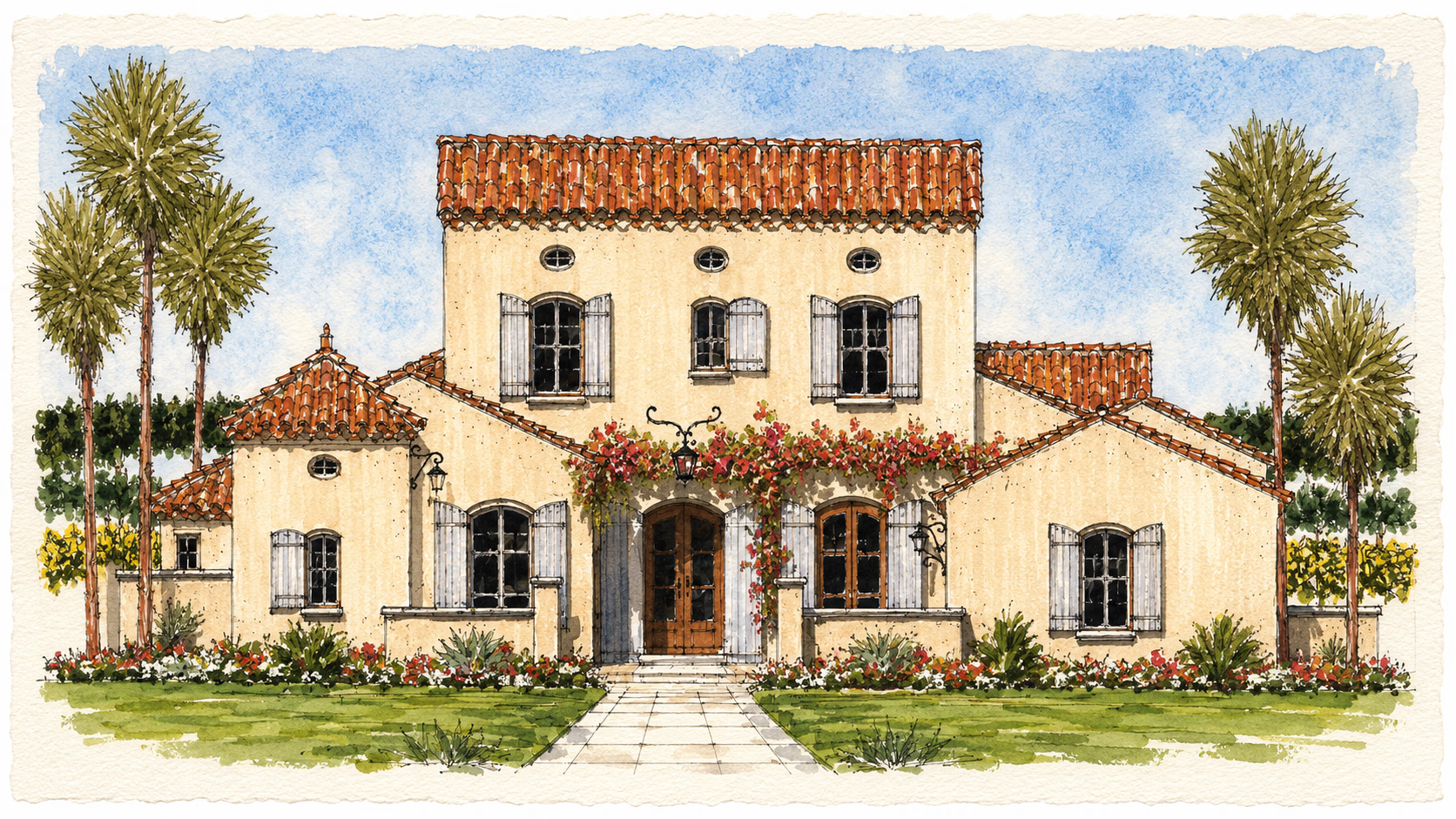
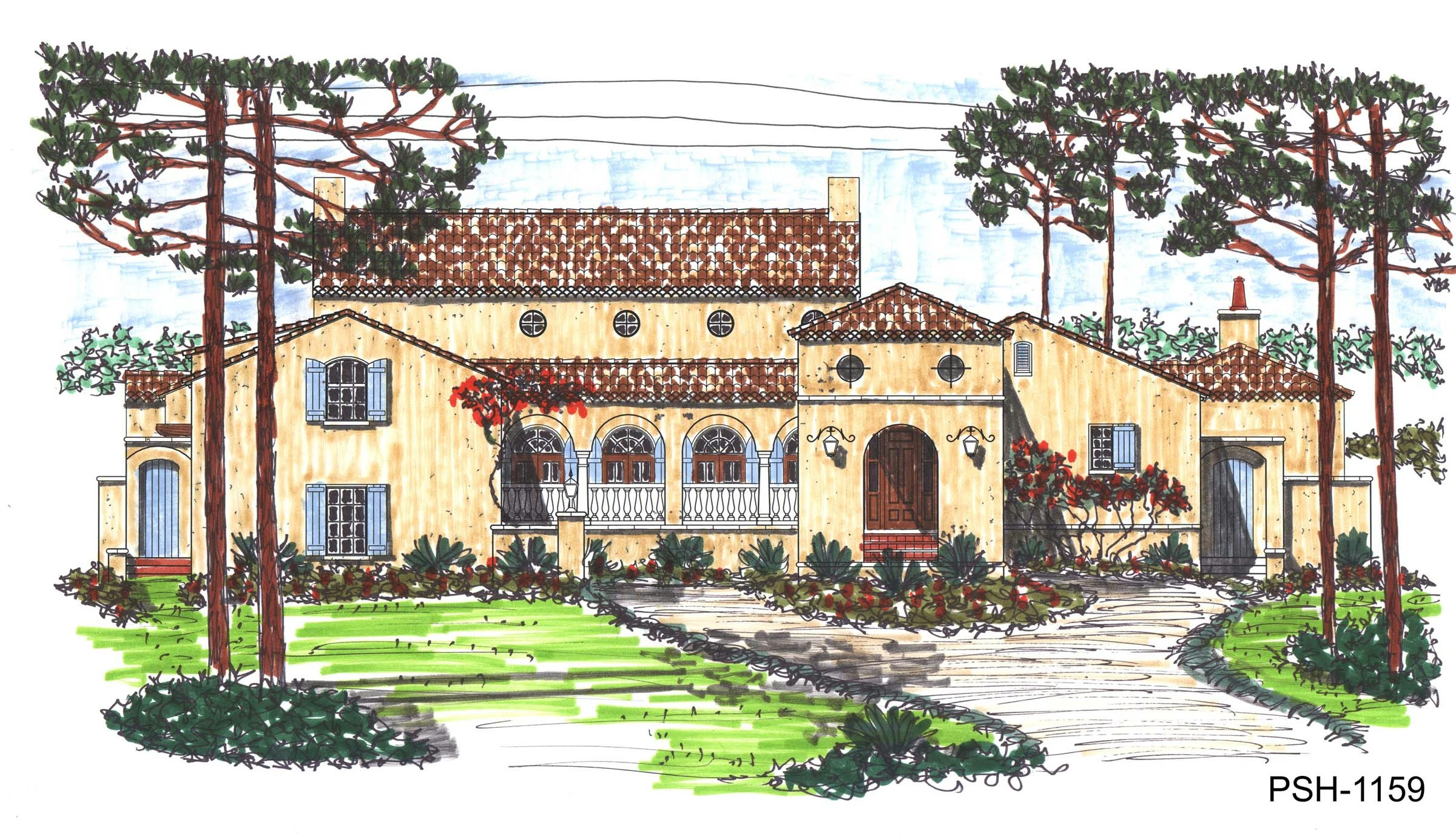
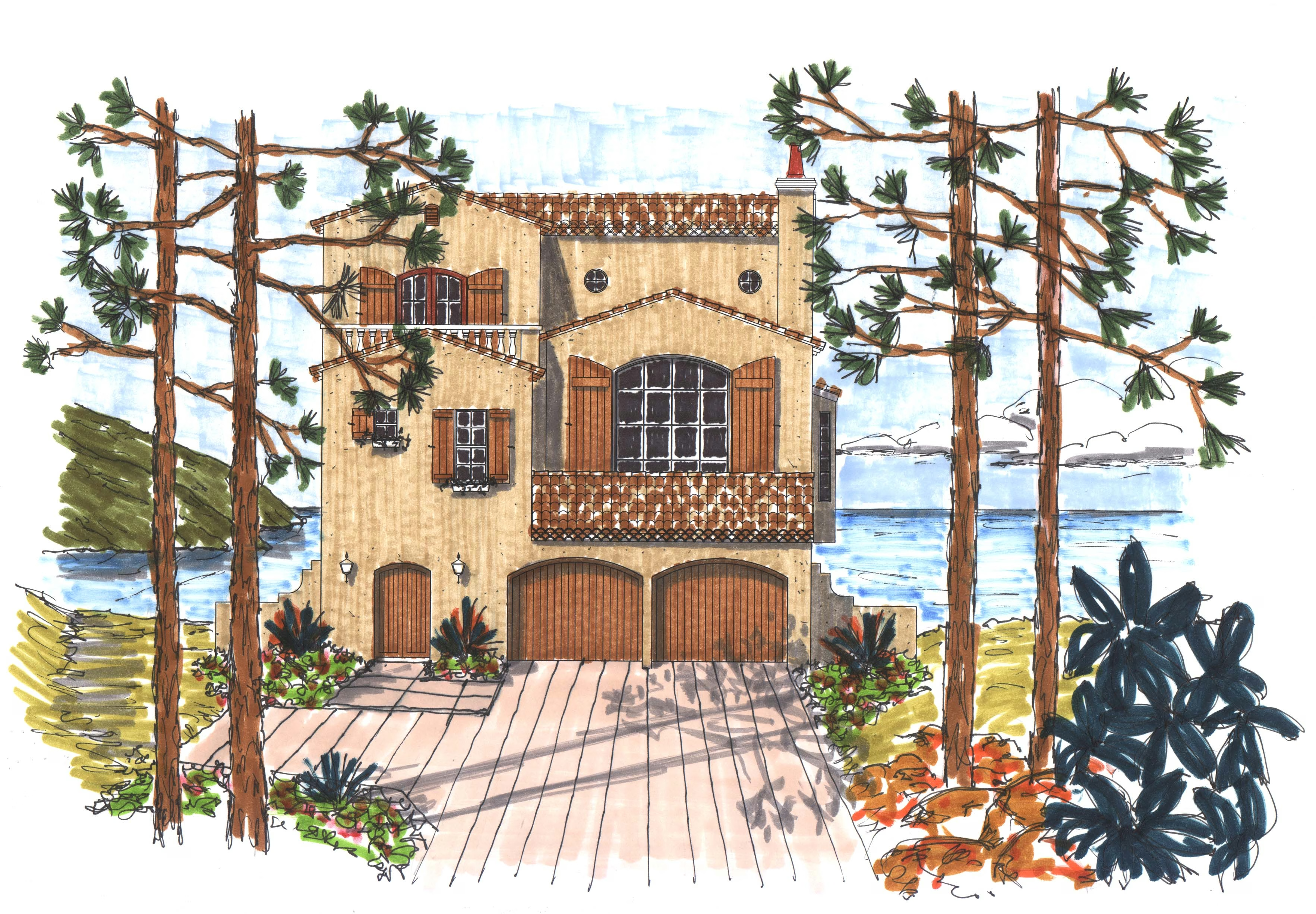
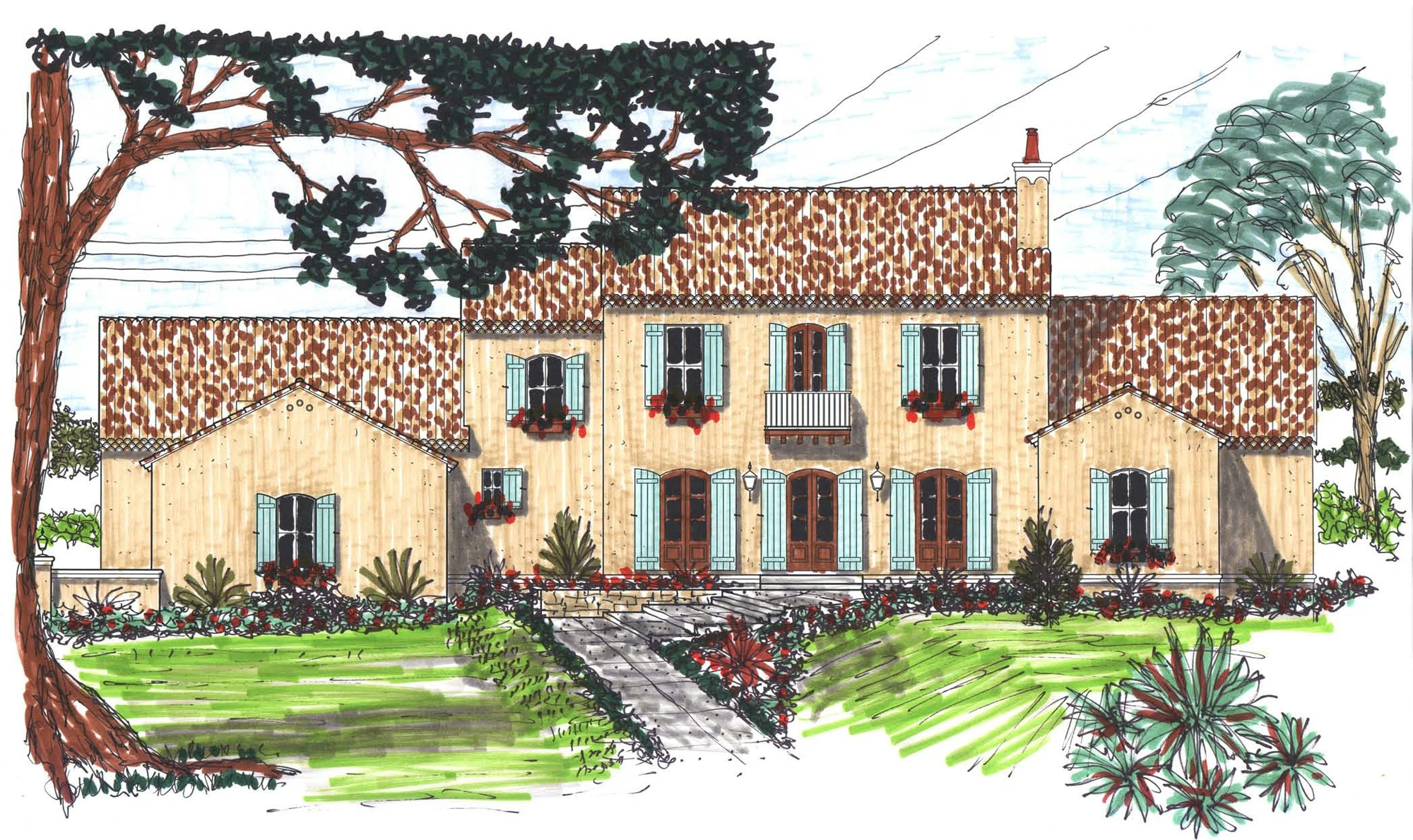
<p>Provence-style homes, inspired by the sun-bathed landscapes of southeastern France, are known for their warm, earthy appearance and relaxed elegance. They feature rough-textured stone or stucco walls, terracotta tile roofs, and wooden shutters painted in pastel hues like blue, sage, or lavender. Interiors often include exposed wooden beams, stone floors, and a casual layout that connects seamlessly to outdoor terraces and gardens.</p><h2>History</h2>
<p>The Provence house style developed over centuries in the rural regions of southern France, with builders using local stone, clay, and timber to create homes that harmonized with the landscape and climate. The two main types are the <em>mas</em> (farmhouse) and <em>bastide</em> (country house). The style reflects the agrarian traditions of the area, where practical design and natural materials were essential for comfort and durability. In the 20th century, Provence-style homes gained international popularity, admired for their rustic simplicity and connection to Mediterranean living.</p><h2>Defining Features</h2>
<ul>
<li>Natural stone or stucco walls with a rough, sun-baked texture</li>
<li>Terracotta tile roofs</li>
<li>Pastel-painted wooden shutters, often in blue, green, or lavender</li>
<li>Exposed wooden beams and stone floors inside</li>
<li>Arched doorways and windows</li>
<li>Gardens with climbing plants, potted flowers, and shaded terraces</li>
<li>Airy, open interiors that blend indoor and outdoor spaces</li>
</ul><h2>Unique Construction Methods</h2>
<p>Traditional Provence homes were built using materials found nearby, such as limestone, sandstone, and clay for tiles. Thick walls provided insulation against both summer heat and winter chill. Roofs were designed with gentle slopes to shed rain and maximize shade. Interiors often featured stone or tile flooring for coolness and durability. The use of reclaimed wood for beams and doors added character and longevity to the homes.</p><h2>Notable Examples</h2>
<ul>
<li><strong>Villa Burlingame, Los Angeles, California:</strong> A modern Provençal estate owned by Jim Belushi, designed with reclaimed roof tiles, terracotta floors, and a pool house.</li>
<li><strong>Ker Arvor, Newport, Rhode Island:</strong> Historic 1933 estate inspired by the Pavillon de la Lanterne at Versailles, with a white-stucco façade and French mansard roof.</li>
<li><strong>French Country Estate, Charlotte, North Carolina:</strong> Manor house with shuttered windows, stone façade, beamed ceilings, and hand-carved masonry.</li>
<li><strong>La Casa Pacifica, San Clemente, California:</strong> Also known as Nixon's "Western White House," modeled after a country home in Spain, featuring Mission Revival and Provençal influences.</li>
</ul><h2>Revival and Enduring Appeal</h2>
<p>Provence-style homes remain popular for their timeless beauty and relaxed atmosphere. The style has seen revivals in both Europe and North America, especially in regions with warm climates and a desire for homes that connect with nature. Its enduring appeal lies in the combination of traditional craftsmanship, natural materials, and a focus on comfort and simplicity.</p><h2>Interesting Facts</h2>
<ul>
<li>Colorful wooden shutters in Provence were originally used to repel insects and provide shade, while adding a cheerful accent to stone facades.</li>
<li>Cicada motifs and wrought iron details are common decorative elements, reflecting local culture and craftsmanship. The cicada is a symbol of Provence.</li>
<li>Many Provence homes are designed to maximize cross-breezes through strategic placement of windows and doors, reducing the need for air conditioning in the hot Mediterranean summers.</li>
</ul><h2>Summary</h2>
<p>Provence-style homes offer a distinctive blend of rustic materials, relaxed layouts, and thoughtful details that set them apart from other styles. Their enduring popularity comes from a practical approach to comfort and a design language that feels both welcoming and refined. Whether found in southern France or adapted across the United States, these homes offer a welcoming retreat that celebrates the beauty and traditions of southern France.</p>
How Our Plans Are Organized
Our plans are organized first by a Main Category (American, British, French, etc), and secondly by a Sub Style (Cape Code, Acadian, Low Country, etc).
You may use the filter tools on the Plan Search Page to narrow down your selections based on your preferred home style. Take note, that most plans can have their exterior elevations modified to a style of your choosing.