<h2>British Colonial Homes- A Study in Climate-Responsive Design</h2>
<h2>Overview</h2>
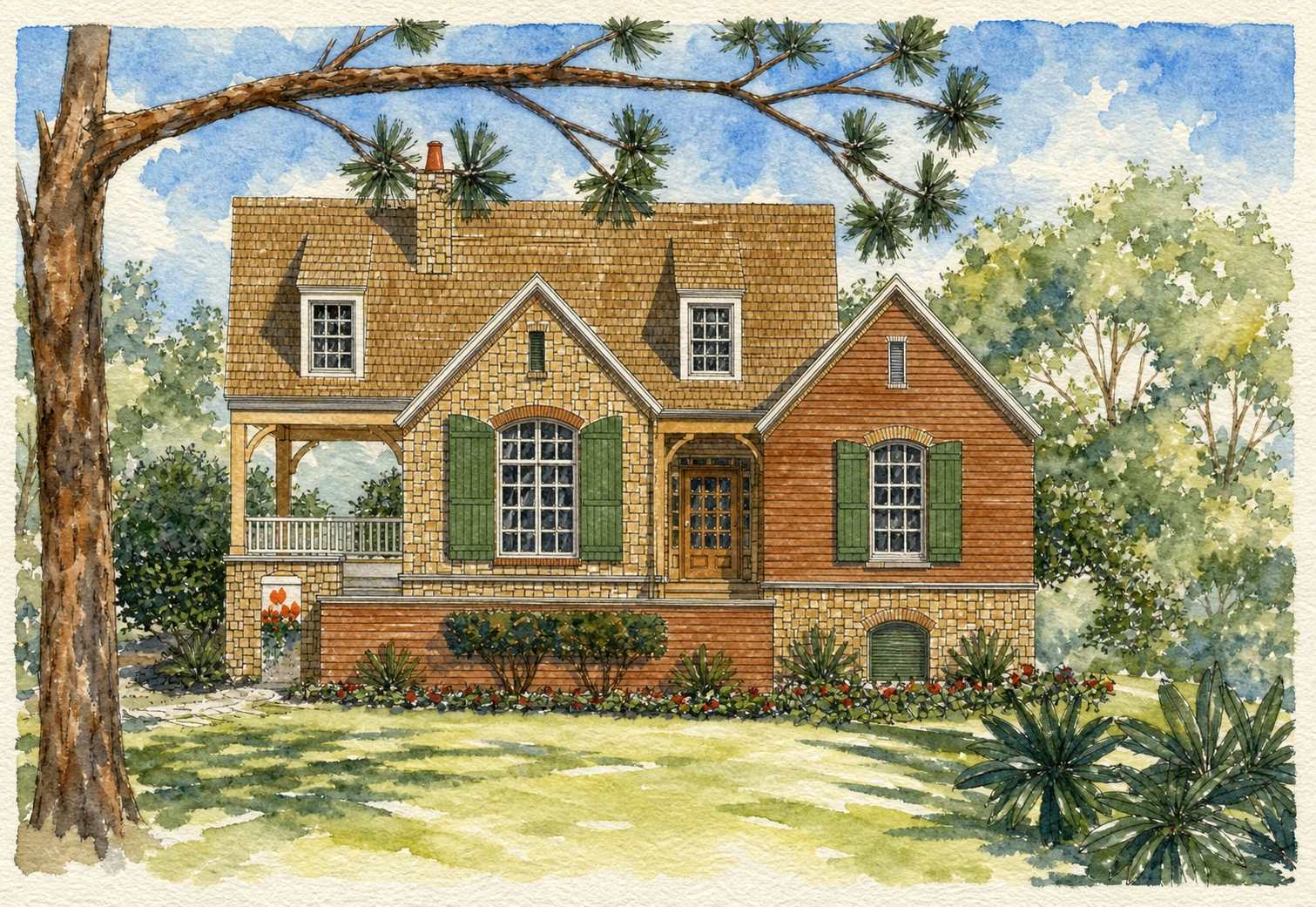
<p>British Colonial homes were developed by British settlers in tropical colonies such as India, the Caribbean, Southeast Asia, parts of Africa, and regions like Florida. These homes adapt European design to suit local climates and materials. Designed for comfort in hot, humid environments, they blend European architectural traditions with local materials and construction methods. The result is a style that is both refined and practical, offering relaxed elegance and a strong connection to the outdoors.</p>
<h2>History</h2>
<p>The British Colonial style emerged during the 18th and 19th centuries as colonists constructed homes in challenging environments. Builders integrated local construction techniques, such as raised foundations for ventilation and wide verandas for shade, to ensure both comfort and durability. Over time, the fusion of British and local traditions created a distinctive architectural style characterized by casual sophistication and global eclecticism. This style spread throughout the British Empire, leaving a lasting impact on the architecture of tropical regions.</p>
<h2>Defining Features</h2>
<ul>
<li><strong>High ceilings and wide verandas:</strong> Promote air circulation and provide shaded outdoor living spaces.</li>
<li><strong>Large shuttered windows:</strong> Allow for control of sunlight and breezes, helping to keep interiors cool.</li>
<li><strong>Raised foundations:</strong> Protect from flooding and improve ventilation beneath the house.</li>
<li><strong>Symmetrical facades and classical proportions:</strong> Reflect British design sensibilities while adapting to local needs.</li>
<li><strong>Use of local woods and materials:</strong> Durable hardwoods such as teak and mahogany, along with rattan and masonry, were commonly used for their resilience in humid climates.</li>
<li><strong>Blending of European and tropical elements:</strong> European furniture is often paired with tropical accents and local craftsmanship.</li>
</ul>
<h2>Construction Methods</h2>
<p>Builders of British Colonial homes used local hardwoods and masonry, adapting construction techniques to suit the climate. Wide eaves and deep porches provided shade, while louvered shutters and ceiling fans helped keep interiors comfortable. The focus was always on durability, comfort, and a seamless transition between indoor and outdoor living.</p>
<h2>Notable Examples</h2>
<p>British Colonial architecture can be found in historic districts throughout the Caribbean, India, Southeast Asia, and Florida. St. Augustine, Florida, features British Colonial homes like the Ximenez-Fatio House, which blends British and Spanish influences with coquina stone walls and wraparound porches. In Barbados, plantation houses such as St. Nicholas Abbey showcase coral stone construction and expansive verandas. The Victoria Memorial in Kolkata and the Eastern & Oriental Hotel in Penang are further examples of the style’s global reach.</p>
<h2>Popularity and Revivals</h2>
<p>The British Colonial style remains popular in resort architecture and interior design, valued for its relaxed elegance and adaptability. In recent years, there has been renewed interest in British Colonial design for its timeless appeal and practical solutions for warm climates. Its influence can be seen in modern homes that prioritize natural ventilation, shaded outdoor spaces, and a blend of global and local elements.</p>
<h2>Interesting Facts</h2>
<ul>
<li>Neutral color palettes and teak furnishings added a sense of refinement and durability to interiors.</li>
<li>Wide verandas served as social spaces, blurring the line between indoor and outdoor living.</li>
<li>British Colonial homes often feature a mix of imported and local furniture, reflecting the global reach of the British Empire.</li>
</ul>
<h2>Summary</h2>
<p>The British Colonial house style stands as a practical response to the demands of tropical climates, shaped by the intersection of British design principles and local building traditions. Its defining features—such as wide verandas, high ceilings, and the use of durable materials—reflect a clear focus on comfort and longevity. Today, the style remains relevant in both historic preservation and contemporary architecture, valued for its adaptability and straightforward approach to climate-specific challenges.</p>
How Our Plans Are Organized
Our plans are organized first by a Main Category (American, British, French, etc), and secondly by a Sub Style (Cape Code, Acadian, Low Country, etc).
You may use the filter tools on the Plan Search Page to narrow down your selections based on your preferred home style. Take note, that most plans can have their exterior elevations modified to a style of your choosing.