<h2>Italian Renaissance House Style: How the Italian Renaissance continues to shape American Luxury Homes</h2>
<h3>Overview</h3>
<p>With roots in Florence and Venice, the style is known for balanced layouts, detailed masonry, and classical ornamentation. Today, it remains a favorite for restored mansions, academic buildings, and luxury residences seeking a sense of history and dignity.</p>
<h3>History: From Florence to the Modern Era</h3>
<p>Originating in early Renaissance Italy, architects shaped the style by reviving ancient Roman forms and principles. The Medici family championed symmetry, proportion, and geometry in their villas and palaces. The movement spread from Florence in the 1400s, emphasizing stately columns, harmonious courtyards, and classical details. A revival in the late 19th and early 20th centuries brought these features to the United States, especially in East Coast cities and academic campuses.</p>
<h3>Defining Features</h3>
<ul>
<li>Symmetrical stone or brick facades</li>
<li>Rusticated first floors for visual weight and texture</li>
<li>Quoined corners and horizontal string courses</li>
<li>Rows of round-arched windows, often separated by slender columns</li>
<li>Deep cornices with decorative brackets</li>
<li>Low-pitched or flat roofs, sometimes hidden by parapets or balustrades</li>
<li>Courtyards or loggias that connect indoor and outdoor spaces</li>
<li>Classical details such as columns, pilasters, and pediments</li>
</ul>
<h3>Construction Methods</h3>
<p>Renaissance builders revived and improved Roman techniques, using marble, brick, and local stone. Arches and domes allowed for open, airy interiors, while timber trusses made wider spans possible. Courtyards provided cool retreats in warm climates. In Venice, homes were constructed on timber piles and faced with Istrian stone to adapt to the city's muddy foundations.</p>
<h3>Notable Examples</h3>
<ul>
<li><strong>Palazzo Medici Riccardi</strong> (Florence): Rusticated stone walls and a harmonious courtyard, built for the Medici family.</li>
<li><strong>Palazzo Rucellai</strong> (Florence): A showcase of Renaissance ideals—proportion, order, and classical detailing.</li>
<li><strong>Villa Rotonda</strong> (Vicenza): Designed by Andrea Palladio, known for its perfect symmetry and central dome.</li>
</ul>
<h3>Interesting Facts</h3>
<ul>
<li>Early American skyscrapers borrowed Renaissance details to give steel frames a sense of history.</li>
<li>No two Italian Renaissance homes are exactly alike; each reflects the architect's vision and the owner's needs.</li>
<li>Signature courtyards are both beautiful and practical, offering cool retreats on hot days.</li>
</ul>
<h3>Enduring Appeal</h3>
<p>The Italian Renaissance house style is more than a nod to history—it’s a celebration of artistry, innovation, and enduring beauty. The style is easily recognized by its balanced proportions, detailed masonry, and practical features like courtyards and sturdy construction. Its influence can be seen in everything from restored mansions to academic buildings and especially in stately luxury homes.</p>
How Our Plans Are Organized
Our plans are organized first by a Main Category (American, British, French, etc), and secondly by a Sub Style (Cape Code, Acadian, Low Country, etc).
You may use the filter tools on the Plan Search Page to narrow down your selections based on your preferred home style. Take note, that most plans can have their exterior elevations modified to a style of your choosing.


Villa Leon
Substyle
Italian Renaissance
VIEW PLAN
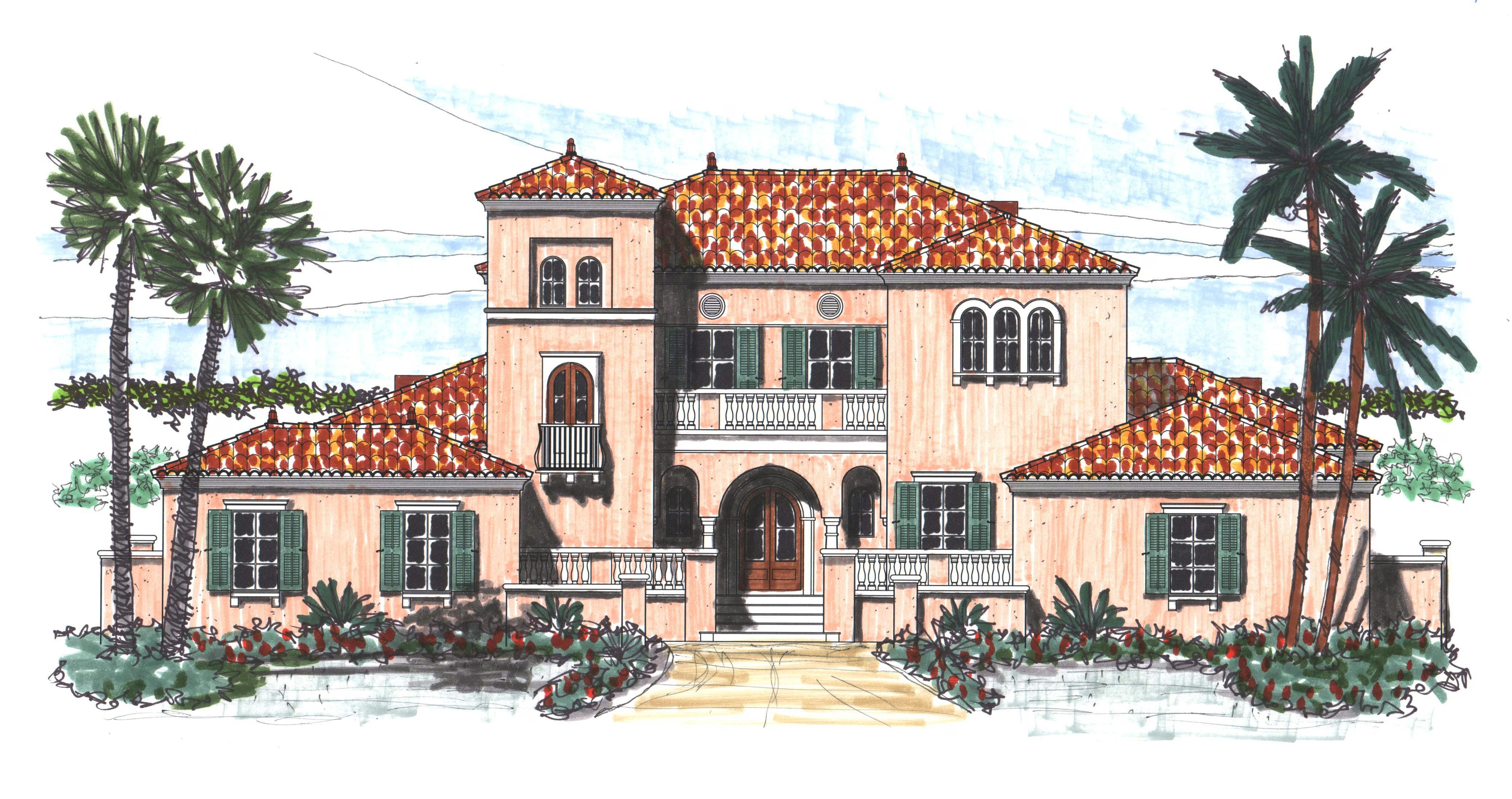
San Filippo
Substyle
Italian Renaissance
VIEW PLAN

Carmel III
Substyle
Italian Renaissance
VIEW PLAN
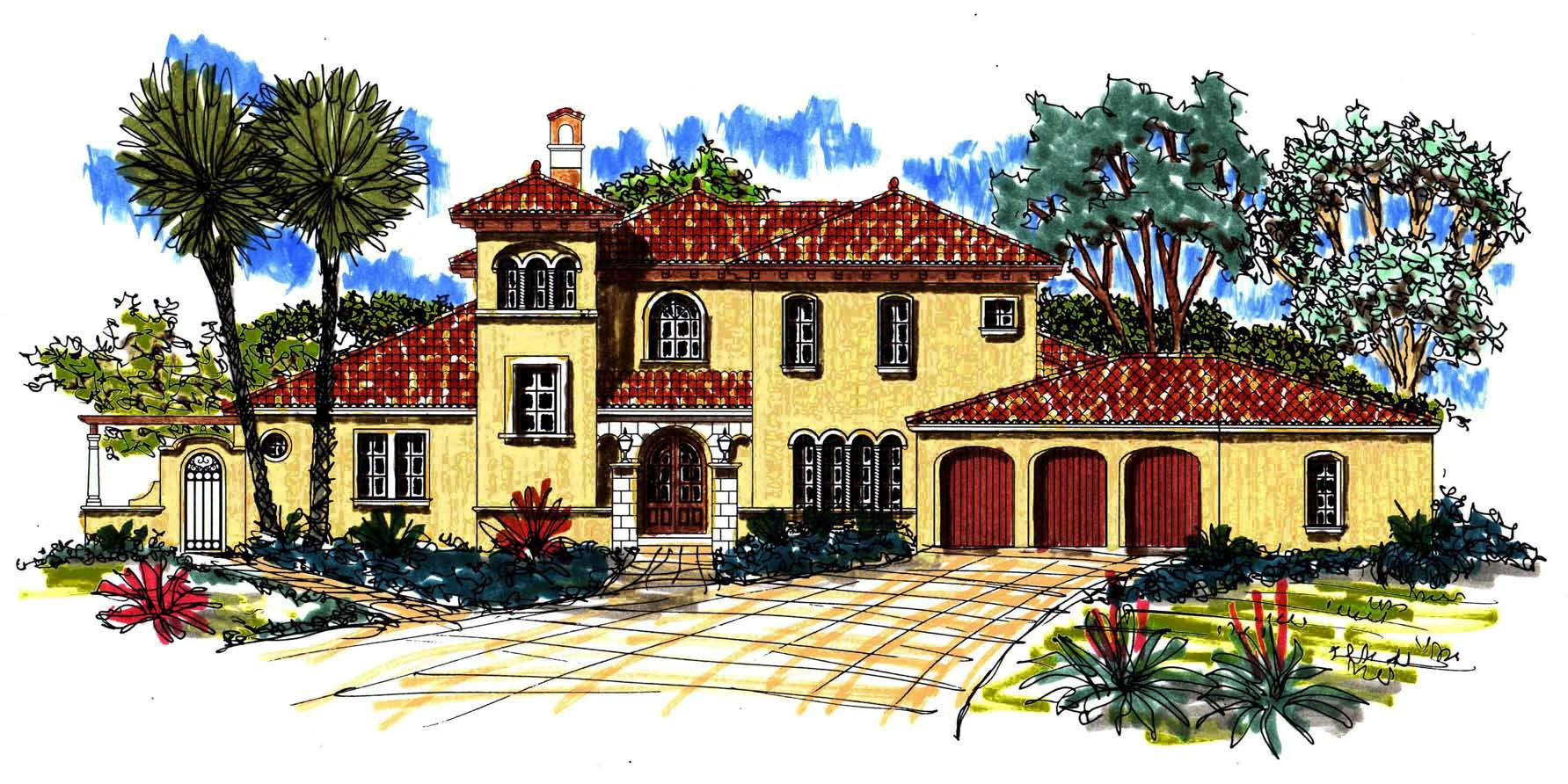
Villa De Sora
Substyle
Italian Renaissance
VIEW PLAN
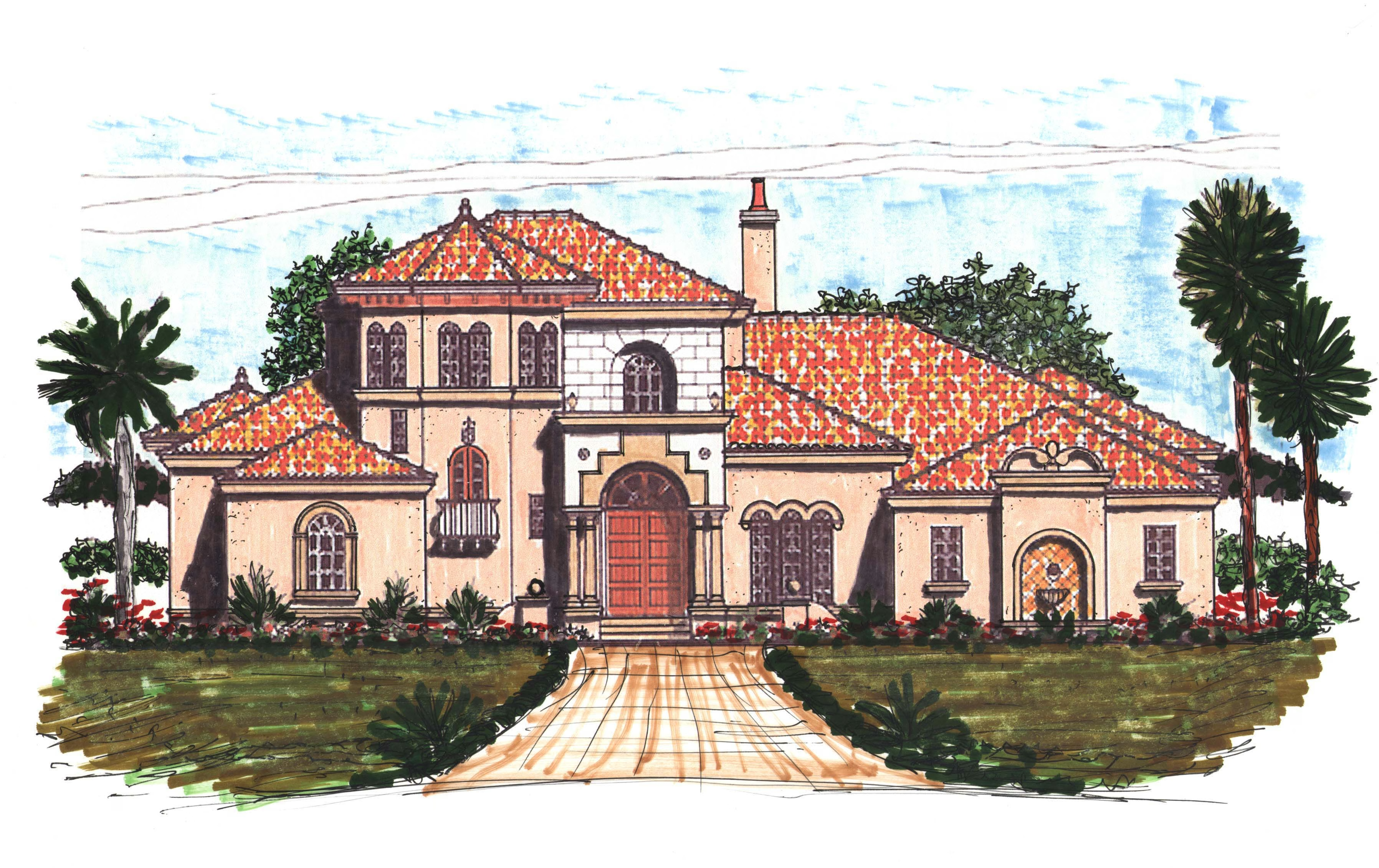
Villa Bellaria
Substyle
Italian Renaissance
VIEW PLAN
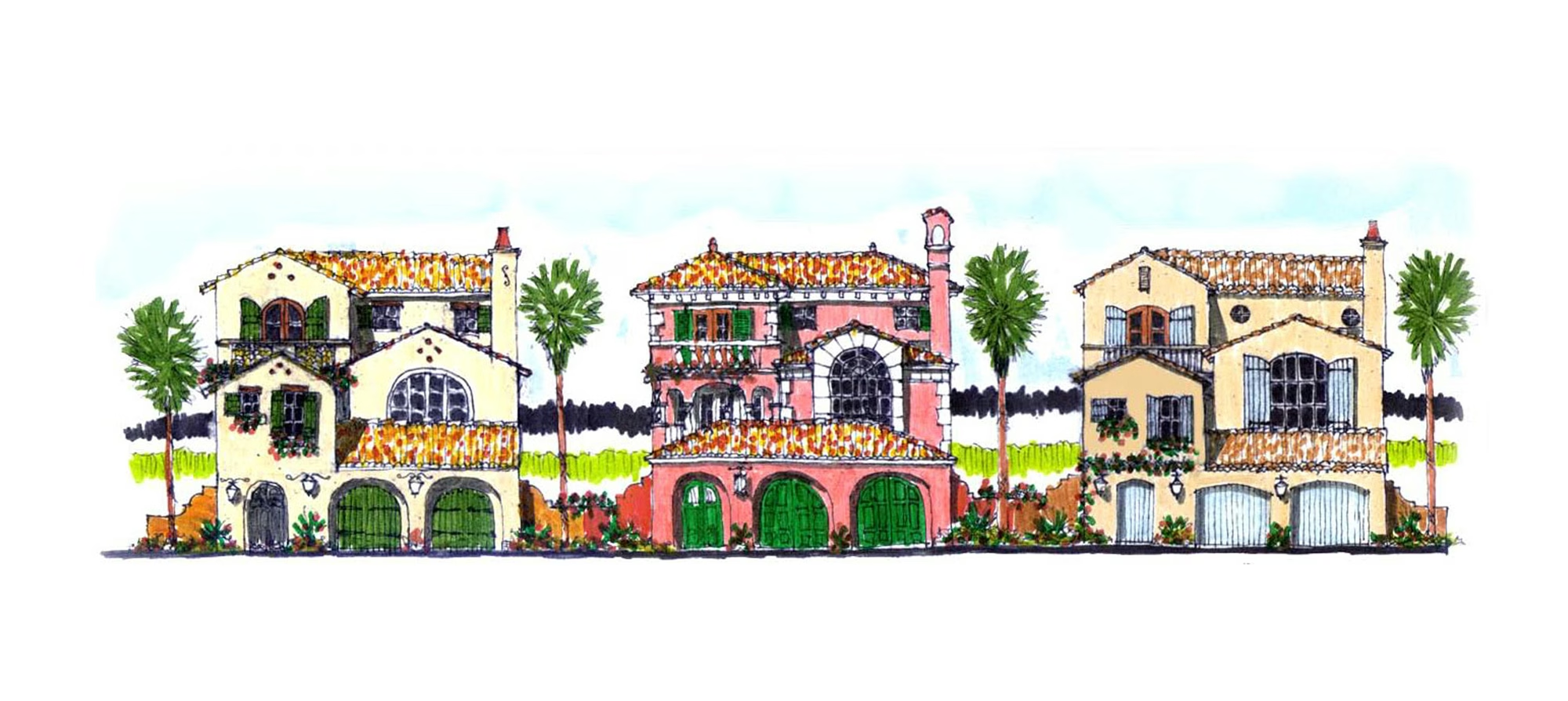
Villa Gianinoto
Substyle
Italian Renaissance
VIEW PLAN
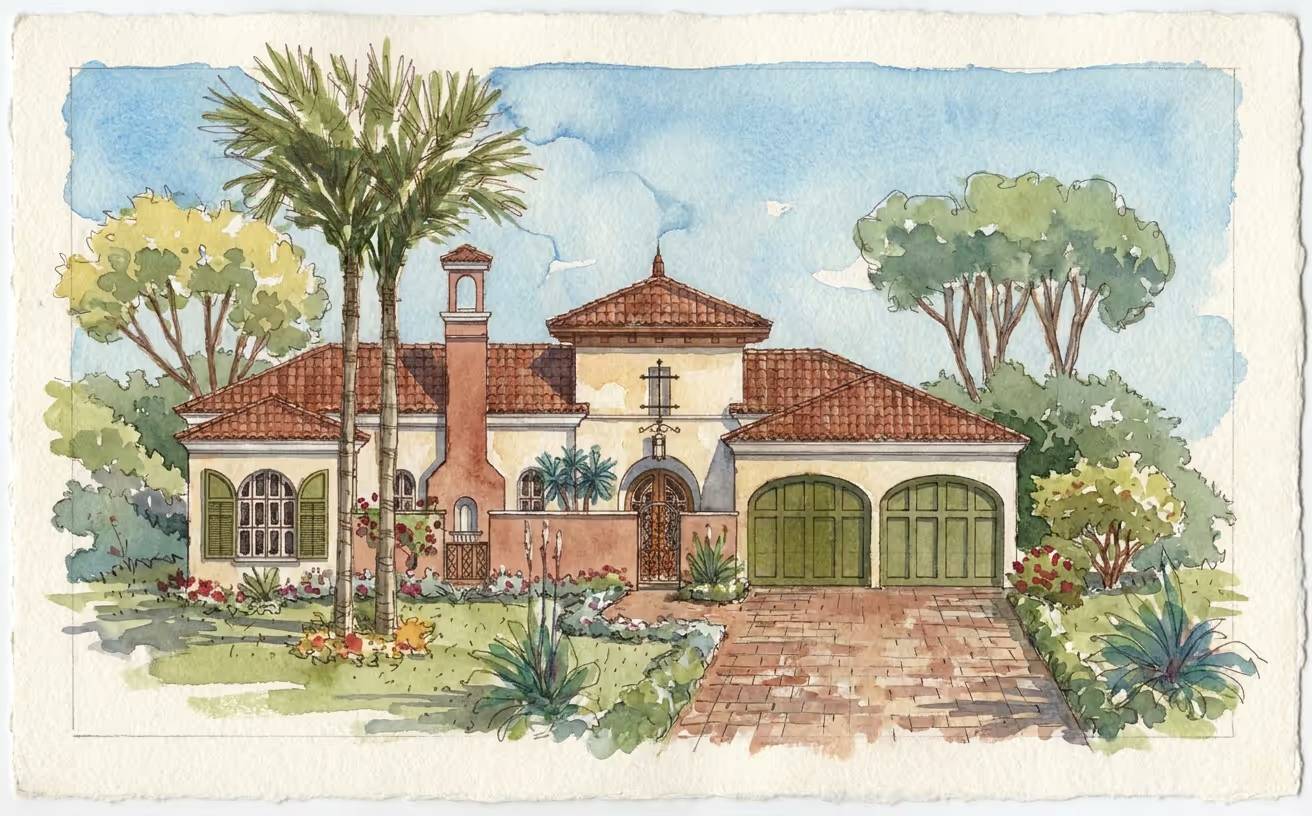
Villa Sublaco
Substyle
Italian Renaissance
VIEW PLAN
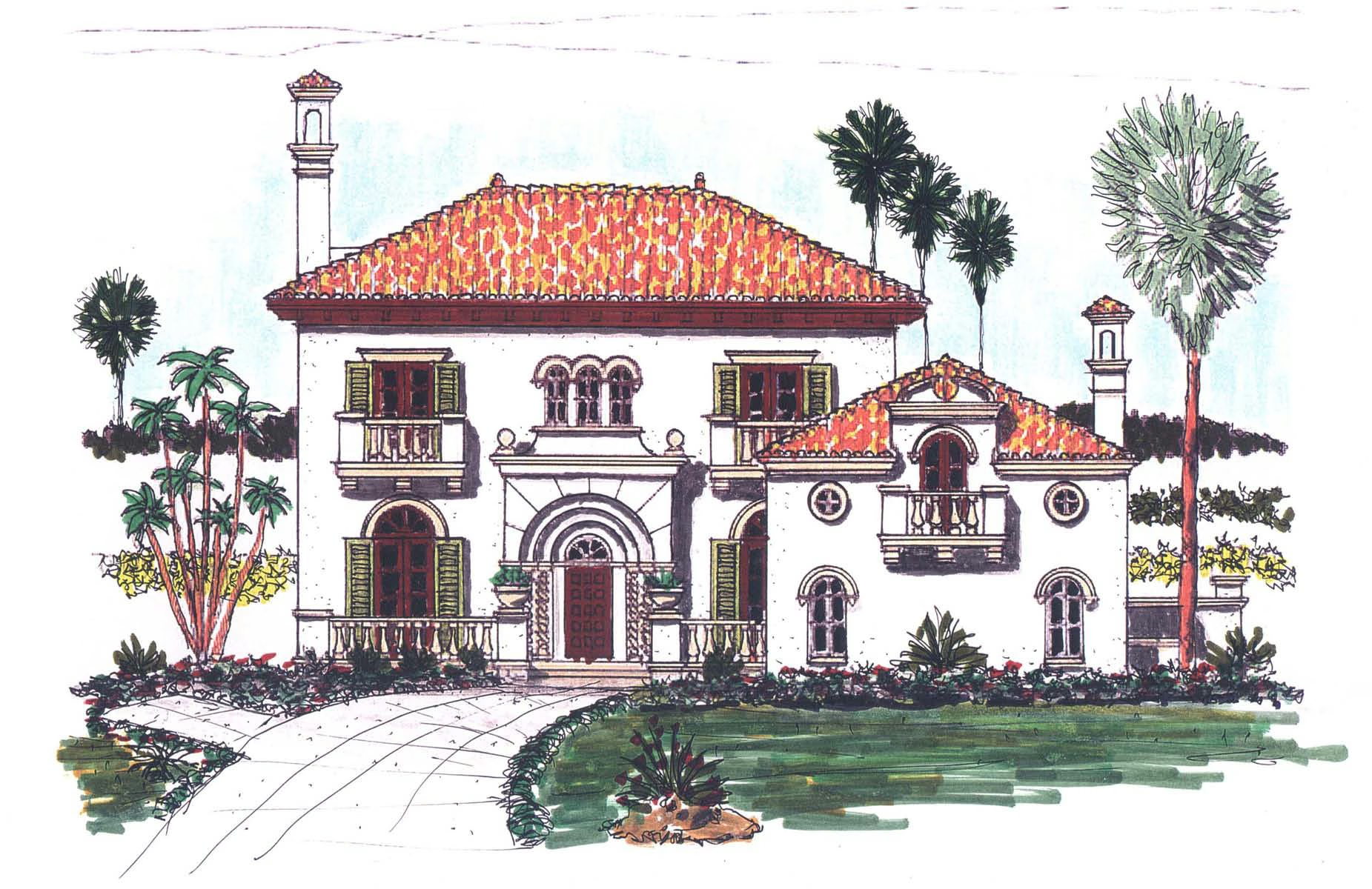
La Veroli
Substyle
Italian Renaissance
VIEW PLAN